Barbara Mandrell

Country
Contemporary Country
 Viberate Rank: 34356
 Viberate Rank: 34356
 Monthly ListenersFollowers
 Subscribers
 Followers
 Followers
 FansTop Spotify Songs
| Track | 7-Day Streams | |
|---|---|---|
1 | 66.29K | |
2 | 46.93K | |
3 | 23.98K | |
4 | 21.23K | |
5 | 17.45K |
Top YouTube VideosMonthly ListenersFeatured in Playlists| Playlist | Followers | |
|---|---|---|
1 |  80s Country Spotify | 755.87K |
2 |  Classic Country Spotify | 659.18K |
3 |  70s Country Spotify | 320.72K |
4 |  Legendary Women of Country Spotify | 309.50K |
5 |  Old country classics and more Sam B. | 227.73K |
Audience| City | Monthly Listeners | |
|---|---|---|
1 | | 6.85K |
2 | | 4.84K |
3 | | 4.07K |
4 | | 3.76K |
5 | | 3.66K |
See full performance history, audience data, playlist activity, rankings, comparisons, and more in Viberate music analytics. Start with a free trial, then continue with a paid plan.
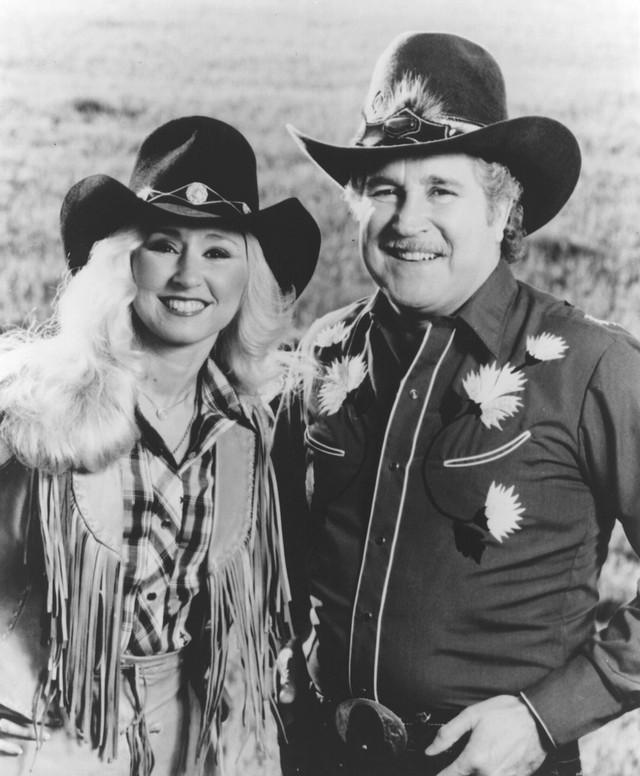
Barbara Mandrell’s Spotify BioThanks to a string of hit singles and a popular television variety series, vocalist Barbara Mandrell was arguably the biggest female star in country music in the late '70s and early '80s. Born the oldest daughter into a musical family in Houston, Texas, on Christmas Day, 1948, Mandrell was already reading music and playing accordion by the age of five. Just six years later, she was so adept at playing the steel guitar that her father escorted her to a music trade convention in Chicago, where her talents caught the attention of Chet Atkins and Joe Maphis. Soon after, she was a featured performer in Maphis' Las Vegas nightclub show, followed by television performances and tours with Red Foley, Johnny Cash, and Tex Ritter.
When Mandrell was 14, her family formed its own group, with her father Irby on vocals and guitar, her mother Mary Ellen on bass, and Barbara handling pedal steel and saxophone. The band also included drummer Ken Dudney, whom Mandrell would eventually marry. The family… toured the U.S. and Asia before Barbara made her first recordings in 1963, among them the minor hit "Queen for a Day." After a few more years of touring, she briefly retired in order to become a housewife, but she soon grew restless and returned to the music business. After signing with Columbia in 1969, she notched her first chart hit, a cover of the Otis Redding classic "I've Been Loving You Too Long." In 1970, Mandrell scored the first of many Top 40 hits with "Playin' Around with Love." In the same year, she began performing with singer David Houston, and their partnership also generated considerable chart success.
In 1975, Mandrell jumped to the ABC/Dot label, and under the guidance of producer Tom Collins reached the Top Five for the first time with the single "Standing Room Only." After a series of successive hits, she earned her first number one with 1978's "Sleeping Single in a Double Bed," which was immediately followed by another chart-topper, "(If Loving You Is Wrong) I Don't Want to Be Right," in early 1979. Later in the year, "Years" also reached number one, as did three more singles -- "I Was Country When Country Wasn't Cool," "'Til You're Gone," and "One of a Kind Pair of Fools" -- between 1981 and 1983, a period during which Mandrell also received numerous industry awards and accolades.
In 1980, the TV program Barbara Mandrell & the Mandrell Sisters premiered on NBC. In addition to hosts Barbara, Louise, and Irlene, the show featured musical guests and comedy sketches. Each broadcast also closed with a gospel song, and in 1982 Mandrell released her own inspirational album, He Set My Life to Music. As a result of her busy schedule, she began suffering from vocal strain, and on doctor's orders pulled the plug on the television program in 1982. In 1983, she premiered The Lady Is a Champ, a Las Vegas stage show, and released two LPs, In Black & White and Spun Gold.
Clean Cut followed in 1984. Tragedy struck later in the year, however, when Mandrell and two of her children were involved in a nightmarish head-on car crash that left the other driver dead. Though Mandrell and her kids survived, all three faced a long period of recovery. When she finally returned to performing a year later, the country music landscape had changed dramatically, with the "new traditionalist" movement gaining dominance while the glitzier, more pop-influenced music Mandrell performed was falling out of favor. As the '80s became the '90s, she began focusing almost exclusively on live performances, where she remained a significant draw; in 1990 she also published her autobiography, Get to the Heart: My Story. Two other studio albums appeared -- 1991's Key's in the Mailbox, her last for Capitol, and 1997's It Works for Me -- and she also occasionally appeared on television, but gradually drifted toward a retirement she officially announced in 1997. ~ Jason Ankeny, Rovi
Viberate is a music analytics platform built for A&Rs, artist managers, labels, booking agents, marketers, and artists.
It helps music professionals track artist growth, analyze audience data, monitor playlist activity, compare artists, follow song performance, and identify opportunities across the music market.
Public artist pages provide a free preview of selected artist data. Paid plans provide access to deeper analytics, historical data, charts, comparisons, playlist tools, exports, alerts, reports, and additional professional features.
Yes. Public Viberate artist pages provide selected artist analytics and music data for free.
Viberate also offers a 7-day free trial of the full platform. A credit card is required to start the trial. The trial includes access to the complete product so users can test deeper artist analytics, historical views, playlist insights, comparisons, charts, exports, alerts, and reporting features before choosing a paid plan.
Viberate provides artist analytics across streaming, playlists, social media, video, radio airplay, songs, and audience markets.
Users can analyze Spotify performance, Spotify and Apple Music playlists, YouTube activity, TikTok and Instagram growth, radio spins, song performance, audience locations, demographics, rankings, and overall artist momentum.
Artist profiles also connect to music charts, similar artists, and comparison tools, helping users benchmark performance and evaluate artists in context.
Viberate updates key artist and track data daily.
For followed artists and tracks, selected data is refreshed multiple times per day. This helps teams monitor playlist changes, streaming movement, audience growth, releases, and campaign performance with more current data.
Update frequency can vary depending on the metric and data source.
Yes. Viberate lets users compare up to five artists side by side across streaming, social media, audience, and engagement metrics.
Users can compare fanbase growth, audience demographics, locations, Spotify performance, social metrics, and other artist data over selected time periods.
Artist comparison can be used for A&R scouting, benchmarking, booking decisions, campaign planning, and evaluating artists with similar audiences or market positions.