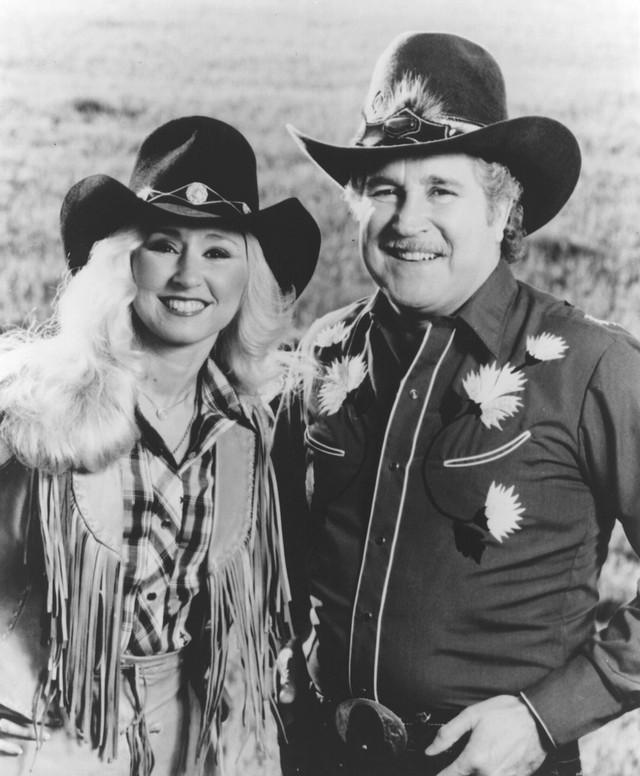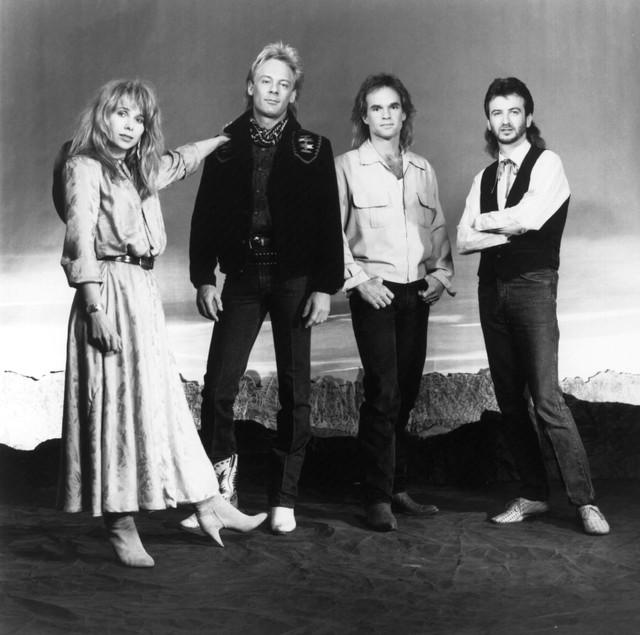
The Forester Sisters

Country
Contemporary Country
Country Rock
 Viberate Rank: 76729
 Viberate Rank: 76729
 Monthly ListenersFollowers
 Subscribers
 Followers
 Followers
 FansTop Spotify Songs
| Track | 7-Day Streams | |
|---|---|---|
1 | 29.77K | |
2 | 21.52K | |
3 | 18.67K | |
4 | 9.90K | |
5 | 5.94K |
Top YouTube VideosMonthly ListenersFeatured in Playlists| Playlist | Followers | |
|---|---|---|
1 |  80s Country Spotify | 756.00K |
2 |  80's Country (Top 100) aly.matthews16 | 75.12K |
3 | Mat Young | 67.68K |
4 |  Old Time Southern Gospel JukeboxCharlie | 38.19K |
5 |  Classic Country (50s, 60s, 70s, 80s, 90s, 00s) Pure Country | 33.71K |
Audience| City | Monthly Listeners | |
|---|---|---|
1 | | 2.70K |
2 | | 1.81K |
3 | | 1.68K |
4 |  | 1.59K |
5 | | 1.59K |
See full performance history, audience data, playlist activity, rankings, comparisons, and more in Viberate music analytics. Start with a free trial, then continue with a paid plan.
The Forester Sisters’ Spotify BioVocal quartet the Forester Sisters enjoyed a strong run of success on the country singles charts during the latter half of the '80s. Kathy, June, Kim, and Christy grew up in Lookout Mountain, GA, and got their initial singing experience in their church choir. Kathy and June, the two eldest, both took jobs as teachers after graduating from college, and sang together in a local band by night. Kim joined in 1978, and the sisters soon hit on the idea of forming their own group; after Christy finished college, Kathy and June quit their day jobs, and the foursome soon began to perform on a regular basis. They were discovered at an arts festival by songwriters Bobby Keel and Billy Stone, who helped them record a demo that got the group signed to Warner Bros. in 1984; Keel and Stone also contributed "Yankee Go Home" to their self-titled debut album, which appeared the following year. Their first single, "That's What You Do (When You're in Love)," reached the Top Ten, and their next two -- "I… Fell in Love Again Last Night" and "Just in Case" -- went all the way to number one in 1985 and 1986, respectively. Follow-up "Lonely Alone" stalled at number two, but "Mama's Never Seen Those Eyes" brought the Forester Sisters back to the top of the charts for a third time. While the group would never equal that incredible run of success, they went on to score eight more Top Ten hits -- all consecutively -- through 1991, when their run came to a close with the humorous number eight hit "Men." They recorded occasionally during the '90s, cutting the gospel album Sunday Meetin' in 1993 and returning to country with 1996's More Than I Am. ~ Steve Huey, Rovi
Viberate is a music analytics platform built for A&Rs, artist managers, labels, booking agents, marketers, and artists.
It helps music professionals track artist growth, analyze audience data, monitor playlist activity, compare artists, follow song performance, and identify opportunities across the music market.
Public artist pages provide a free preview of selected artist data. Paid plans provide access to deeper analytics, historical data, charts, comparisons, playlist tools, exports, alerts, reports, and additional professional features.
Yes. Public Viberate artist pages provide selected artist analytics and music data for free.
Viberate also offers a 7-day free trial of the full platform. A credit card is required to start the trial. The trial includes access to the complete product so users can test deeper artist analytics, historical views, playlist insights, comparisons, charts, exports, alerts, and reporting features before choosing a paid plan.
Viberate provides artist analytics across streaming, playlists, social media, video, radio airplay, songs, and audience markets.
Users can analyze Spotify performance, Spotify and Apple Music playlists, YouTube activity, TikTok and Instagram growth, radio spins, song performance, audience locations, demographics, rankings, and overall artist momentum.
Artist profiles also connect to music charts, similar artists, and comparison tools, helping users benchmark performance and evaluate artists in context.
Viberate updates key artist and track data daily.
For followed artists and tracks, selected data is refreshed multiple times per day. This helps teams monitor playlist changes, streaming movement, audience growth, releases, and campaign performance with more current data.
Update frequency can vary depending on the metric and data source.
Yes. Viberate lets users compare up to five artists side by side across streaming, social media, audience, and engagement metrics.
Users can compare fanbase growth, audience demographics, locations, Spotify performance, social metrics, and other artist data over selected time periods.
Artist comparison can be used for A&R scouting, benchmarking, booking decisions, campaign planning, and evaluating artists with similar audiences or market positions.