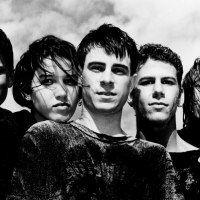
Swervedriver

Rock
Alternative Rock
Shoegaze
 Viberate Rank: 60325
 Viberate Rank: 60325
 Monthly ListenersFollowers
 Subscribers
 Followers
 Followers
 FansTop Spotify Songs
| Track | 7-Day Streams | |
|---|---|---|
1 | 9.82K | |
2 | 7.77K | |
3 | 4.99K | |
4 | 4.14K | |
5 | 4.14K |
Top YouTube VideosMonthly ListenersFeatured in Playlists| Playlist | Followers | |
|---|---|---|
1 |  90s Indie Filtr UK | 49.77K |
2 | wicks Brennan McDowell | 43.73K |
3 |  shoegaze essentials Heloísa | 33.14K |
4 | shoegaze pain carohow | 24.01K |
5 | giant 90s alt/indie/etc playlist PART 1: 1990-1994 Aroon Karvna | 22.13K |
Audience| City | Monthly Listeners | |
|---|---|---|
1 |  | 1.58K |
2 | | 1.50K |
3 | | 1.38K |
4 | | 1.28K |
5 |  | 1.16K |
See full performance history, audience data, playlist activity, rankings, comparisons, and more in Viberate music analytics. Start with a free trial, then continue with a paid plan.
Swervedriver’s Spotify Bio“Space travel rock’n’roll” – that’s how the band initially self-identified their sound. This was back in the 1990s, before the aspirational dreams of the computer age collided with reality. Across the four-album arc of their first era – Raise (1991); Mezcal Head (1993); Ejector Seat Reservation (1995); 99th Dream (1997) – Swervedriver made music that was all about the journey: songs called “For Seeking Heat”, “Planes Over The Skyline”, “Juggernaut Rides”, “93 Million Miles From The Sun And Counting”. Swervedriver simulated the thrill of propulsion, the euphoric arrival, the anticipation of going back again (or not)… of moving on.
And move on they did. During 10 years in absentia, the band’s legend grew. Sages spoke mistily of these four desert rock horsemen of the apocalypse who came from Oxford and were shunned as exiles in their own land. In 2005, a two-disc anthology was compiled with the band’s involvement, and foretold a resurrection. Sure enough, the trip resumed in 2008, with… Swervedriver encountering the acclaim they ought to have enjoyed a decade earlier. A fifth album, I Wasn’t Born To Lose You, emerged in 2015, a mere 17 years after its predecessor, and trumpeted some eternal Swervedriver virtues: the intricate, fissile guitar patterns of Adam Franklin and Jimmy Hartridge, baked hard then dispatched in giant monolithic waves by the tactile rhythm section. As the opening song “Autodidact” had it: “Holy fuel forever spilled”. Keith Cameron – October 2018
Viberate is a music analytics platform built for A&Rs, artist managers, labels, booking agents, marketers, and artists.
It helps music professionals track artist growth, analyze audience data, monitor playlist activity, compare artists, follow song performance, and identify opportunities across the music market.
Public artist pages provide a free preview of selected artist data. Paid plans provide access to deeper analytics, historical data, charts, comparisons, playlist tools, exports, alerts, reports, and additional professional features.
Yes. Public Viberate artist pages provide selected artist analytics and music data for free.
Viberate also offers a 7-day free trial of the full platform. A credit card is required to start the trial. The trial includes access to the complete product so users can test deeper artist analytics, historical views, playlist insights, comparisons, charts, exports, alerts, and reporting features before choosing a paid plan.
Viberate provides artist analytics across streaming, playlists, social media, video, radio airplay, songs, and audience markets.
Users can analyze Spotify performance, Spotify and Apple Music playlists, YouTube activity, TikTok and Instagram growth, radio spins, song performance, audience locations, demographics, rankings, and overall artist momentum.
Artist profiles also connect to music charts, similar artists, and comparison tools, helping users benchmark performance and evaluate artists in context.
Viberate updates key artist and track data daily.
For followed artists and tracks, selected data is refreshed multiple times per day. This helps teams monitor playlist changes, streaming movement, audience growth, releases, and campaign performance with more current data.
Update frequency can vary depending on the metric and data source.
Yes. Viberate lets users compare up to five artists side by side across streaming, social media, audience, and engagement metrics.
Users can compare fanbase growth, audience demographics, locations, Spotify performance, social metrics, and other artist data over selected time periods.
Artist comparison can be used for A&R scouting, benchmarking, booking decisions, campaign planning, and evaluating artists with similar audiences or market positions.