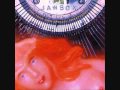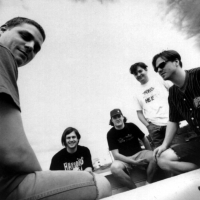
Jawbox

Rock
Alternative Rock
Post Hardcore
 Viberate Rank: 124004
 Viberate Rank: 124004
 Monthly ListenersFollowers
 Subscribers
 Followers
 Followers
 FansTop Spotify SongsTop YouTube Videos
| Video | 7-Day Views | |
|---|---|---|
1 | 51 | |
2 | 29 | |
3 | 19 | |
4 | 16 | |
5 | 6 |
Monthly ListenersFeatured in Playlists| Playlist | Followers | |
|---|---|---|
1 |  Early Emo Numero Group | 24.23K |
2 | Best of the 90s / 90's / 1990s / 1990's phillipalcock | 23.05K |
3 | giant 90s alt/indie/etc playlist PART 1: 1990-1994 Aroon Karvna | 22.13K |
4 |  WonkoFM WonkoTheSane | 21.06K |
5 |  1990s Punk & Indie Numero Group | 16.20K |
Audience| City | Monthly Listeners | |
|---|---|---|
1 | | 877 |
2 | | 845 |
3 | | 713 |
4 | | 582 |
5 | | 539 |
See full performance history, audience data, playlist activity, rankings, comparisons, and more in Viberate music analytics. Start with a free trial, then continue with a paid plan.
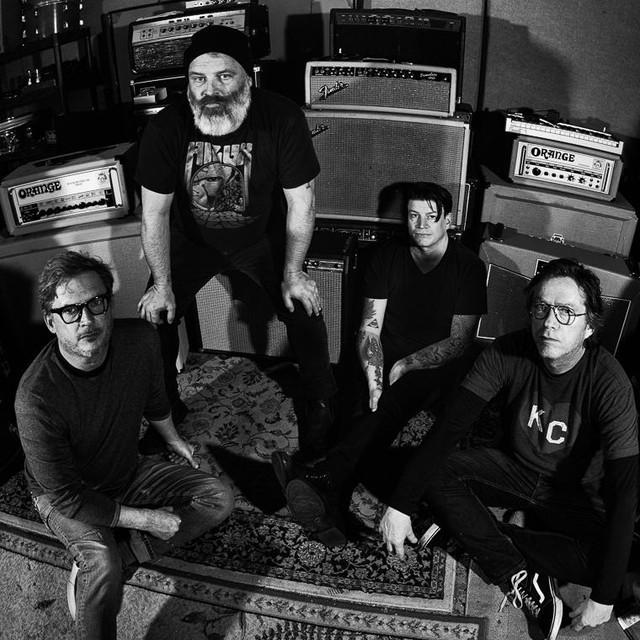
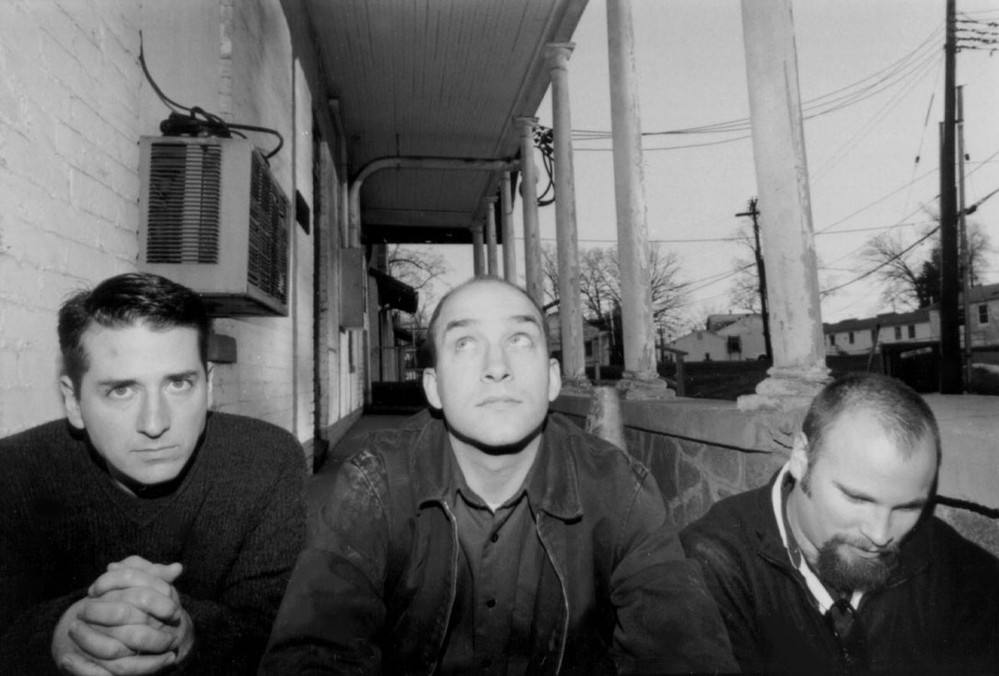
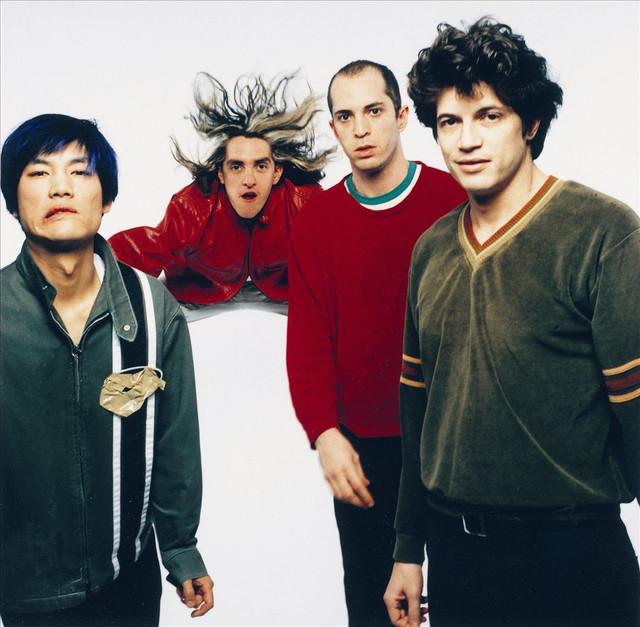
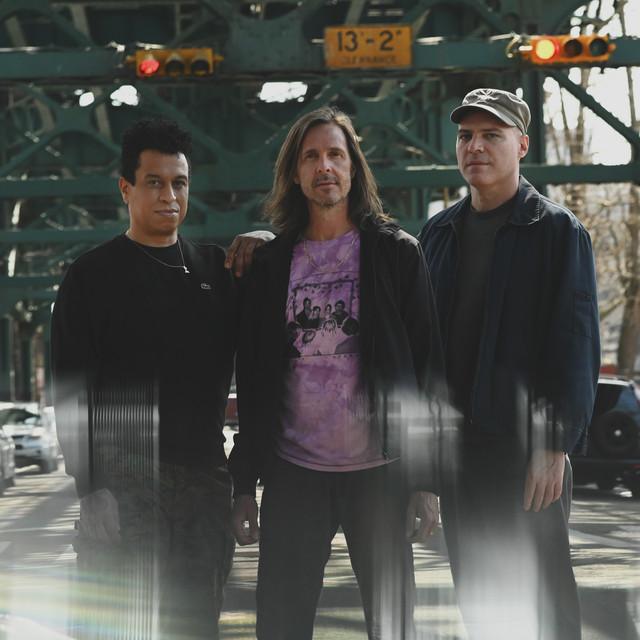
Jawbox’s Spotify BioDuring their eight-year existence, Jawbox developed into a top-tier post-hardcore band. While they became one of the most notable acts in Washington, D.C. shortly after their late-'80s formation, and were part of a lineage that included the likes of Minor Threat and Rites of Spring, they were favorably compared to Chicago's Big Black, Naked Raygun, and Effigies as well. Scrutinized for leaving D.C.'s beloved Dischord for a major label -- they were the first to do so -- Jawbox nonetheless released two excellent albums for Atlantic that surpassed their previous output.
Ex-Government Issue bassist J. Robbins formed Jawbox in the summer of 1989. Robbins shifted to guitar and lead vocals, joined by drummer Adam Wade and bassist Kim Coletta. The trio's first proper recording, a four-track 7" EP, was released in the spring of 1990 through Dischord and their own DeSoto label. The band then recorded their first album, Grippe, at Arlington's Inner Ear with engineer Eli Janney (Girls Against Boys)…. It was released in May 1991. Despite its formative nature in relation to what followed, it was a fine debut and rewarded repeated listening.
Shortly after the recording of Grippe, Jawbox considered adding a second guitarist to the lineup. Drummer Wade obliged by introducing Bill Barbot of Clambake, a band that promptly broke up. This enabled the addition of Barbot, who provided another strong creative force. The new four-member lineup subsequently recorded at Baltimore's Oz and at Inner Ear with engineer and producer Iain Burgess, who had worked on several of the band's favorite albums, including some by all three of the above-mentioned Chicago acts. Novelty, issued in May 1992, was moodier and more layered than Grippe, and was regarded as a marked improvement. The CD version of the album added both sides of a single, including the excellent Barbot-fronted "Tongues," that preceded it by a few months.
Another lineup change occurred shortly after the release of Novelty, when Adam Wade left to join Shudder to Think. Jawbox superfan Zach Barocas had recently moved from New York to D.C. to attend university and was rooming with Coletta. Barocas hesitantly dragged out his drum kit and was eventually installed as the band's second, more jazz-inspired drummer. At some point, Atlantic, one of many major labels who rabidly sought underground bands following Nirvana's breakthrough with DGC, came a-courting. The major-leery band weighed its options intensely. Self-sufficient since day one, they outlined their needs and wants before they signed. Their contract refused tour support and retained all independent powers. The deal enabled the musicians to treat Jawbox as a full-time endeavor, and it also allowed them to take their dynamite live show to previously unvisited countries.
Most of the songs for their major-label debut had been written prior to Atlantic's involvement, and the presence of Barocas solidified what Robbins referred to as a "mystical communication" within the band. With help from Fugazi and Shudder to Think producer Ted Niceley, Jawbox recorded For Your Own Special Sweetheart, a phenomenal album that easily stands as one of the best releases to come out of the fertile D.C. scene of the '80s and '90s. Its genesis was surely aided by increased studio time. Extensive touring surrounded its release -- the band regularly toured eight months a year -- and exposed them to the regular crowds, as well as some new ones, thanks to a stretch of dates as the opener for labelmates Stone Temple Pilots. Minimal MTV rotation for "Savory" and "Cooling Card" introduced Jawbox to some nocturnal viewers, but the album otherwise went unnoticed outside the usual indie community.
Jawbox recorded their fourth album in the winter of 1995-1996 with John Agnello, who had worked with everyone from Earth, Wind & Fire to Chavez. A somewhat glossy sheen pervaded the self-titled set, released in July 1996 on Atlantic's short-lived TAG subsidiary. The songs were nearly as good as those of Sweetheart, and were clearly the work of a vital, passionate band, but the sound lacked the Sweetheart's exhilarating abrasiveness. If it was an attempt to be more accessible to radio, it didn't work. Despite customary critical approval, album four was unable to gain commercial traction.
Yet more touring transpired in early 1997. In April of that year, the band opted to split, a decision based on several factors. Least among them was being dropped by Atlantic. More significant was Barocas' decision to move back to New York for film school. Robbins quickly formed Burning Airlines and eventually invited Barbot along for the ride. Barocas became a part of the Up on In. Barbot and Coletta continued to run a less-active DeSoto, which released My Scrapbook of Fatal Accidents -- a solid assortment of compilation appearances, B-sides, live recordings, and a BBC session for John Peel -- in November 1998.
During the 2000s, Robbins remained busy with several outlets, including Channels (beside wife Janet Morgan) and Report Suspicious Activity (with Articles of Faith's Vic Bondi). Additionally, he continued to work as a producer and engineer -- something he did sporadically during the Jawbox years -- and operated out of his own studio, the Magpie Cage. In 2009, after Jawbox bought the rights to their Atlantic material, DeSoto released a remastered and expanded edition of For Your Own Special Sweetheart. They promoted it by briefly reuniting to perform on the December 8 broadcast of Late Night with Jimmy Fallon. Barocas carried on with BELLS≥, while Robbins' was deeply involved with the Office of Future Plans, Moral Mazes, and studio work. ~ Andy Kellman, Rovi
Viberate is a music analytics platform built for A&Rs, artist managers, labels, booking agents, marketers, and artists.
It helps music professionals track artist growth, analyze audience data, monitor playlist activity, compare artists, follow song performance, and identify opportunities across the music market.
Public artist pages provide a free preview of selected artist data. Paid plans provide access to deeper analytics, historical data, charts, comparisons, playlist tools, exports, alerts, reports, and additional professional features.
Yes. Public Viberate artist pages provide selected artist analytics and music data for free.
Viberate also offers a 7-day free trial of the full platform. A credit card is required to start the trial. The trial includes access to the complete product so users can test deeper artist analytics, historical views, playlist insights, comparisons, charts, exports, alerts, and reporting features before choosing a paid plan.
Viberate provides artist analytics across streaming, playlists, social media, video, radio airplay, songs, and audience markets.
Users can analyze Spotify performance, Spotify and Apple Music playlists, YouTube activity, TikTok and Instagram growth, radio spins, song performance, audience locations, demographics, rankings, and overall artist momentum.
Artist profiles also connect to music charts, similar artists, and comparison tools, helping users benchmark performance and evaluate artists in context.
Viberate updates key artist and track data daily.
For followed artists and tracks, selected data is refreshed multiple times per day. This helps teams monitor playlist changes, streaming movement, audience growth, releases, and campaign performance with more current data.
Update frequency can vary depending on the metric and data source.
Yes. Viberate lets users compare up to five artists side by side across streaming, social media, audience, and engagement metrics.
Users can compare fanbase growth, audience demographics, locations, Spotify performance, social metrics, and other artist data over selected time periods.
Artist comparison can be used for A&R scouting, benchmarking, booking decisions, campaign planning, and evaluating artists with similar audiences or market positions.