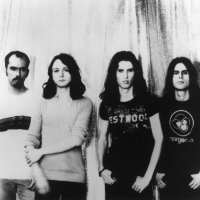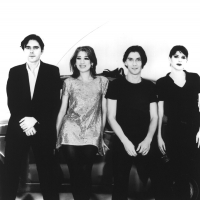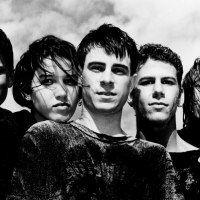
Drop Nineteens

Rock
Indie Rock
Shoegaze
 Viberate Rank: 85307
 Viberate Rank: 85307
 Monthly ListenersFollowers
 Subscribers
 Followers
 Followers
 FansTop Spotify Songs
| Track | 7-Day Streams | |
|---|---|---|
1 | 82.25K | |
2 | 16.86K | |
3 | 14.21K | |
4 | 12.13K | |
5 | 7.39K |
Top YouTube VideosMonthly ListenersFeatured in Playlists| Playlist | Followers | |
|---|---|---|
1 |  Shoegaze Classics Spotify | 708.02K |
2 |  Dreampop Classics Spotify | 659.70K |
3 |  Shoegaze Now Spotify | 229.64K |
4 | While You Work (@whileyouwork) Eli Feghali | 81.75K |
5 |  HEAVY SHOEGAZE. josh.loaf | 73.90K |
Audience| City | Monthly Listeners | |
|---|---|---|
1 | | 5.16K |
2 | | 3.57K |
3 | | 3.56K |
4 |  | 3.14K |
5 | | 2.70K |
See full performance history, audience data, playlist activity, rankings, comparisons, and more in Viberate music analytics. Start with a free trial, then continue with a paid plan.
Drop Nineteens’ Spotify BioWhen Drop Nineteens disbanded in the mid 90s, Greg Ackell decided he would never make music again. He wouldn’t noodle around on a guitar in the basement. He wouldn’t get a group of friends together just to jam. He was done with music entirely. Following the release of the shoegaze masterpiece Delaware in 1992, and the intricate experimentations on National Coma in 1993, the group disbanded. They had a great run. They shared stages with Radiohead, Hole, Blur, PJ Harvey and Smashing Pumpkins. They went from being teenaged kids in Boston to mid-twenty-somethings with videos on MTV, sessions on the BBC, world tours and numerous festivals under their belt. So when Drop Nineteens ceased to be, Ackell felt content. He had the rest of his life in front of him to figure out what he wanted to do. Music was a closed chapter. That was until 2021, when a friend from the band’s early days got Greg on the phone to suggest making some music together, just to see how it felt. Instead of shutting it… down like he had been doing over the years, he decided to entertain the prospect. For the first time in nearly 30 years, he picked up a guitar with intent. He immediately called up Steve Zimmerman, the band’s bassist and fellow guitarist, and the two got writing. It felt effortless for Ackell, like he never stopped writing music. “We were off to the races,” he says, “But also the question came up: What does a modern Drop Nineteens song sound like?” Enter Hard Light, their stunning third record.
Viberate is a music analytics platform built for A&Rs, artist managers, labels, booking agents, marketers, and artists.
It helps music professionals track artist growth, analyze audience data, monitor playlist activity, compare artists, follow song performance, and identify opportunities across the music market.
Public artist pages provide a free preview of selected artist data. Paid plans provide access to deeper analytics, historical data, charts, comparisons, playlist tools, exports, alerts, reports, and additional professional features.
Yes. Public Viberate artist pages provide selected artist analytics and music data for free.
Viberate also offers a 7-day free trial of the full platform. A credit card is required to start the trial. The trial includes access to the complete product so users can test deeper artist analytics, historical views, playlist insights, comparisons, charts, exports, alerts, and reporting features before choosing a paid plan.
Viberate provides artist analytics across streaming, playlists, social media, video, radio airplay, songs, and audience markets.
Users can analyze Spotify performance, Spotify and Apple Music playlists, YouTube activity, TikTok and Instagram growth, radio spins, song performance, audience locations, demographics, rankings, and overall artist momentum.
Artist profiles also connect to music charts, similar artists, and comparison tools, helping users benchmark performance and evaluate artists in context.
Viberate updates key artist and track data daily.
For followed artists and tracks, selected data is refreshed multiple times per day. This helps teams monitor playlist changes, streaming movement, audience growth, releases, and campaign performance with more current data.
Update frequency can vary depending on the metric and data source.
Yes. Viberate lets users compare up to five artists side by side across streaming, social media, audience, and engagement metrics.
Users can compare fanbase growth, audience demographics, locations, Spotify performance, social metrics, and other artist data over selected time periods.
Artist comparison can be used for A&R scouting, benchmarking, booking decisions, campaign planning, and evaluating artists with similar audiences or market positions.