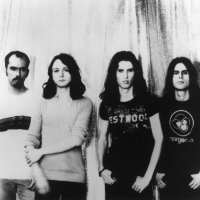
Chapterhouse

Rock
Shoegaze
Dream Pop
 Viberate Rank: 71960
 Viberate Rank: 71960
 Monthly ListenersFollowers
 Subscribers
 Followers
 Followers
 FansTop Spotify Songs
| Track | 7-Day Streams | |
|---|---|---|
1 | 18.76K | |
2 | 10.16K | |
3 | 6.96K | |
4 | 6.07K | |
5 | 5.56K |
Top YouTube VideosMonthly ListenersFeatured in Playlists| Playlist | Followers | |
|---|---|---|
1 |  Shoegaze Classics Spotify | 708.02K |
2 |  Dreampop Classics Spotify | 659.70K |
3 |  The Sound of Everything The Sounds of Spotify | 53.81K |
4 |  Caribou - The Longest Mixtape: 1000+ Songs For You Caribou | 53.23K |
5 |  Dreampop & Shoegaze caden.shortridge | 35.01K |
Audience| City | Monthly Listeners | |
|---|---|---|
1 |  | 2.05K |
2 | | 1.88K |
3 | | 1.70K |
4 | | 1.50K |
5 | | 1.28K |
See full performance history, audience data, playlist activity, rankings, comparisons, and more in Viberate music analytics. Start with a free trial, then continue with a paid plan.
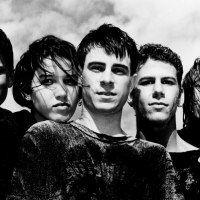
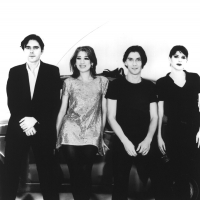
Chapterhouse’s Spotify BioReading, England-based group Chapterhouse went through several phases in their brief initial existence. They started out as a drony space rock band who played shows with Spacemen 3 before slowly morphing into one of the earliest examples of shoegaze in the late '80s, and on their 1991 debut album Whirlpool. They dabbled with psychedelic rave-rock styles borrowed from the Madchester scene on their second album Blood Music, but broke up just a year after its 1993 release. Chapterhouse's creative drive kept them from sticking with a single sound or being easy to fit into any single genre, and their short and fascinating lifespan was still being explored long after they stopped making new music on compilation releases like 2023's Chronology.
The band formed in 1987. Drummer Ashley Bates, bassist Jon Curtis, guitarist Simon Rowe, and vocalists/guitarists Stephen Patman and Andrew Sherriff allegedly called themselves Incest early on but made a smart decision to change the name. Long before… they laid down their first demos, they rehearsed and honed their live show. One 1988 gig, performed in their home base of Reading, won a supporter in Sonic Boom. The Spacemen 3 member wanted to release the band's music on his Bop-a-Sonic label, but that never materialized. Instead, the band signed with BMG's Dedicated subsidiary -- home of Cranes, Global Communication, and other heavy rockers of the time. By the end of 1990, the band had replaced the exited Curtis with Russell Barrett and had a pair of four-song EPs -- Freefall and Sunburst -- released and reviewed with mostly favorable results. A third single, early 1991's Pearl, earned them even more attention, featuring an oft-used John Bonham sample and background vocals from Slowdive's Rachel Goswell. This set the stage for the full-length debut Whirlpool, also released in 1991. While it didn't capitalize on the band's building popularity quite as hoped, they were able to stir up a couple low-charting singles and a sizeable fan base in England.
After the Mesmerise single closed out 1991, the band went silent for over a year before reappearing with 1993's less shoegazey and more dancefloor-ready Blood Music. While singles "She's a Vision" and "We Are the Beautiful" were successful, the album itself failed to chart. It was accompanied by a slew of remixes, many of which came from Global Communication. The band broke up in 1994 and in 1996 the double-disc Rownderbout compilation collected singles as well as B-sides and unreleased demos. Sherriff continued to work with electronic music with the Bio.com and Bionic projects; Barrett later became part of Inner Sleeve; Rowe joined former Slowdive members in Mojave 3; Bates went trip-hop for 4AD's Cuba (aka Air Cuba). In 2007, a Best Of compilation surfaced, and the following year, Chapterhouse reunited for a handful of reunion shows. The band's return to the stage would be short-lived, and by 2010 live performances had halted again.
In 2023, Cherry Red Records released the massive compilation Chronology. The six-disc compilation was curated by the band themselves and included more than 20 unreleased demos and other miscellaneous tracks from their run in the early '90s. ~ Andy Kellman, Rovi
Viberate is a music analytics platform built for A&Rs, artist managers, labels, booking agents, marketers, and artists.
It helps music professionals track artist growth, analyze audience data, monitor playlist activity, compare artists, follow song performance, and identify opportunities across the music market.
Public artist pages provide a free preview of selected artist data. Paid plans provide access to deeper analytics, historical data, charts, comparisons, playlist tools, exports, alerts, reports, and additional professional features.
Yes. Public Viberate artist pages provide selected artist analytics and music data for free.
Viberate also offers a 7-day free trial of the full platform. A credit card is required to start the trial. The trial includes access to the complete product so users can test deeper artist analytics, historical views, playlist insights, comparisons, charts, exports, alerts, and reporting features before choosing a paid plan.
Viberate provides artist analytics across streaming, playlists, social media, video, radio airplay, songs, and audience markets.
Users can analyze Spotify performance, Spotify and Apple Music playlists, YouTube activity, TikTok and Instagram growth, radio spins, song performance, audience locations, demographics, rankings, and overall artist momentum.
Artist profiles also connect to music charts, similar artists, and comparison tools, helping users benchmark performance and evaluate artists in context.
Viberate updates key artist and track data daily.
For followed artists and tracks, selected data is refreshed multiple times per day. This helps teams monitor playlist changes, streaming movement, audience growth, releases, and campaign performance with more current data.
Update frequency can vary depending on the metric and data source.
Yes. Viberate lets users compare up to five artists side by side across streaming, social media, audience, and engagement metrics.
Users can compare fanbase growth, audience demographics, locations, Spotify performance, social metrics, and other artist data over selected time periods.
Artist comparison can be used for A&R scouting, benchmarking, booking decisions, campaign planning, and evaluating artists with similar audiences or market positions.