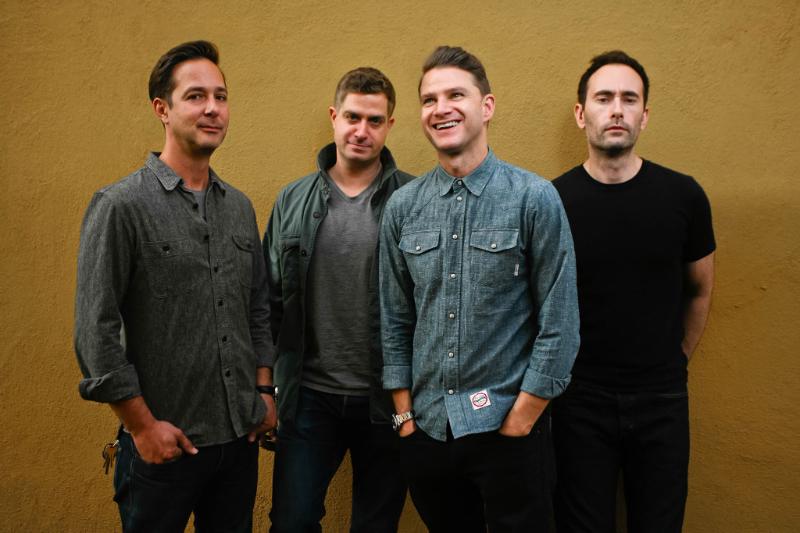
Sugarcult

Punk
Pop Punk
Alternative Rock
 Viberate Rank: 34309
 Viberate Rank: 34309
 Monthly ListenersFollowers
 Subscribers
 Followers
 Followers
 FansTop Spotify Songs
| Track | 7-Day Streams | |
|---|---|---|
1 | 179.76K | |
2 | 147.90K | |
3 | 73.20K | |
4 | 49.30K | |
5 | 39.62K |
Top YouTube VideosMonthly ListenersFeatured in Playlists| Playlist | Followers | |
|---|---|---|
1 |  Pure Pop Punk Spotify | 2.99M |
2 |  2000s Pop Punk Hits coleyevich | 767.75K |
3 |  Rock 'n' Run Spotify | 649.35K |
4 | Punk Rock (90’s & 00’s) CW | 389.47K |
5 | Early 2000s Punk Rock MattLuciano2 | 177.03K |
Audience| City | Monthly Listeners | |
|---|---|---|
1 | | 23.84K |
2 |  | 20.79K |
3 | | 20.53K |
4 | | 18.89K |
5 | | 18.27K |
See full performance history, audience data, playlist activity, rankings, comparisons, and more in Viberate music analytics. Start with a free trial, then continue with a paid plan.
Sugarcult’s Spotify BioThe Santa Barbara, CA, alternative rock quartet Sugarcult (singer/guitarist Tim Pagnotta, guitarist Marko DeSantis, bassist Airin Older, and original drummer Ben Davis (who was later replaced by Kenny Livingston) took their name from a moniker that lesbian neighbors who lived next door to the band called themselves. Forming in 1998, the band's first show (a trio at the time) was opening for Superdrag at a local club. It was here that they met DeSantis -- who'd previously played with such bands as the Ataris, Nerf Herder, and Swingin' Utters -- and he soon moved from audience to bandmember. Sugarcult debuted on Ultimatum in 2001 with Start Static and scored hits with the songs "Stuck in America" and "Bouncing Off the Walls." They jumped on the summer's Warped Tour for what should have been two weeks, but fan response was so positive, the band wound up staying for the entire two months. The DVD Action appeared in 2002; Davis exited the group the following year to be replaced by ex-Lefty …drummer Kenny Livingston. Jumping to Fearless Records, the slightly darker Palm Trees and Power Lines followed in 2004 and peaked at number one on Billboard's Top Independent Albums chart. Sugarcult issued the live CD/DVD Back to the Disaster a year later. The guys continued to hone their chops on the road; they earned a spot as openers for Green Day's American Idiot tour, took top billing on the 2005 Take Action Tour, and hit the main stages of festivals like Warped Tour, Japan's Summer Sonic Festival, and the U.K.'s Glastonbury, Reading, and Leeds festivals. Sugarcult's most focused effort to date, Lights Out, appeared in September 2006 on V2. ~ Greg Prato, Rovi
Viberate is a music analytics platform built for A&Rs, artist managers, labels, booking agents, marketers, and artists.
It helps music professionals track artist growth, analyze audience data, monitor playlist activity, compare artists, follow song performance, and identify opportunities across the music market.
Public artist pages provide a free preview of selected artist data. Paid plans provide access to deeper analytics, historical data, charts, comparisons, playlist tools, exports, alerts, reports, and additional professional features.
Yes. Public Viberate artist pages provide selected artist analytics and music data for free.
Viberate also offers a 7-day free trial of the full platform. A credit card is required to start the trial. The trial includes access to the complete product so users can test deeper artist analytics, historical views, playlist insights, comparisons, charts, exports, alerts, and reporting features before choosing a paid plan.
Viberate provides artist analytics across streaming, playlists, social media, video, radio airplay, songs, and audience markets.
Users can analyze Spotify performance, Spotify and Apple Music playlists, YouTube activity, TikTok and Instagram growth, radio spins, song performance, audience locations, demographics, rankings, and overall artist momentum.
Artist profiles also connect to music charts, similar artists, and comparison tools, helping users benchmark performance and evaluate artists in context.
Viberate updates key artist and track data daily.
For followed artists and tracks, selected data is refreshed multiple times per day. This helps teams monitor playlist changes, streaming movement, audience growth, releases, and campaign performance with more current data.
Update frequency can vary depending on the metric and data source.
Yes. Viberate lets users compare up to five artists side by side across streaming, social media, audience, and engagement metrics.
Users can compare fanbase growth, audience demographics, locations, Spotify performance, social metrics, and other artist data over selected time periods.
Artist comparison can be used for A&R scouting, benchmarking, booking decisions, campaign planning, and evaluating artists with similar audiences or market positions.