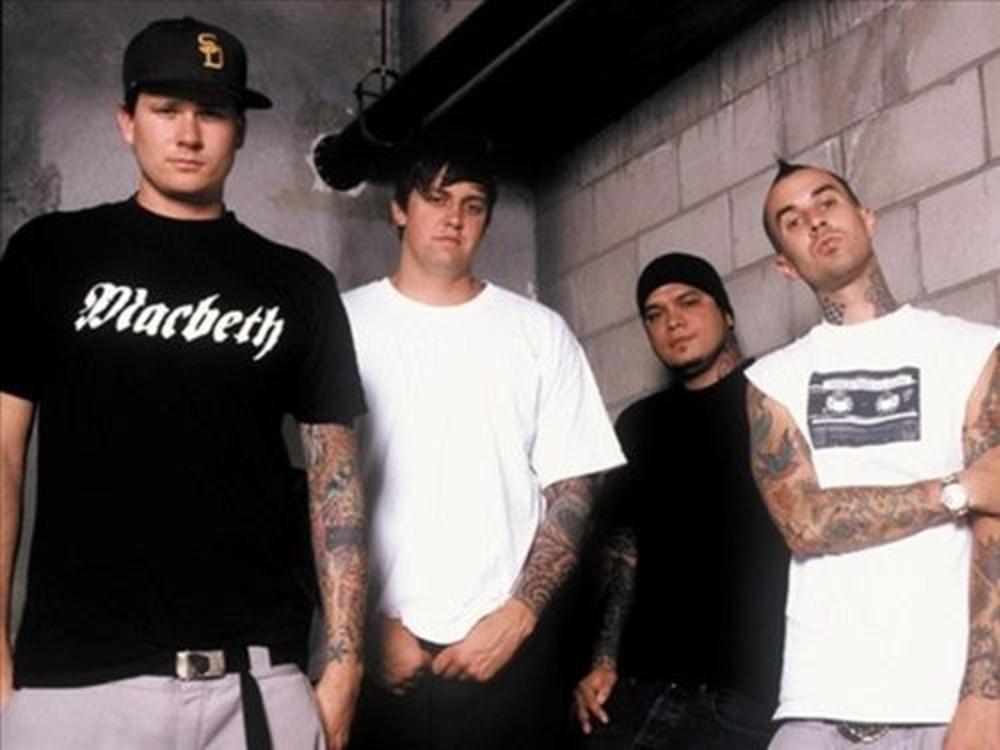
+44

Punk
Pop Punk
Punk Rock
Alternative Rock
 Viberate Rank: 32766
 Viberate Rank: 32766
 Monthly ListenersFollowers
 Subscribers
 Followers
 Followers
 FansTop Spotify Songs
| Track | 7-Day Streams | |
|---|---|---|
1 | 289.37K | |
2 | 67.84K | |
3 | 60.20K | |
4 | 45.61K | |
5 | 40.60K |
Top YouTube VideosMonthly ListenersFeatured in Playlists| Playlist | Followers | |
|---|---|---|
1 |  Pure Pop Punk Spotify | 2.99M |
2 |  Skatepark Punks Spotify | 1.12M |
3 |  2000s Pop Punk Hits coleyevich | 767.75K |
4 |  Rock 'n' Run Spotify | 649.35K |
5 |  Punk Rock Workout Spotify | 542.10K |
Audience| City | Monthly Listeners | |
|---|---|---|
1 |  | 12.67K |
2 |  | 11.10K |
3 | | 10.61K |
4 | | 9.84K |
5 | | 9.40K |
See full performance history, audience data, playlist activity, rankings, comparisons, and more in Viberate music analytics. Start with a free trial, then continue with a paid plan.
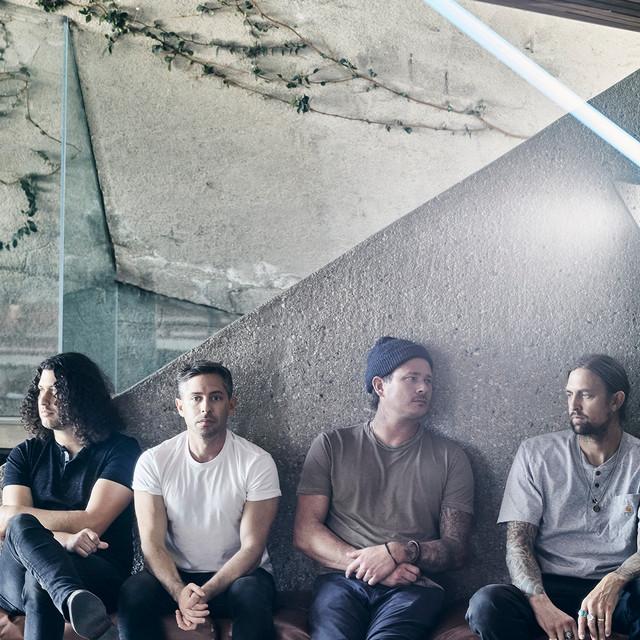
+44’s Spotify BioForming during pop-punk trio blink-182's 2005 hiatus, +44 brought blink alums Travis Barker (drums) and Mark Hoppus (vocals/bass) back together as their former bandmate Tom DeLonge went off to form his own band, Angels and Airwaves. Originally billed as a largely electronic-based project, their songs eventually fell instead under the alternative rock umbrella; their name came from the international dialing code to the United Kingdom, where the duo first discussed doing the project. The two initially hooked up with vocalist Carol Heller of Get the Girl, but by summer 2006, she was no longer in the band in order to spend more time with her family. A month later, it was quietly publicized that +44 instead included guitarists Shane Gallagher (the Nervous Return) and Craig Fairbaugh (Mercy Killers, Lars Fredericksen & the Bastards, the Forgotten). Their debut album, When Your Heart Stops Beating, hit stores in early November 2006 through Interscope, as its title track found airtime on radio… and MTV. +44 headed out on nationwide headlining dates through mid-December in support of the record, despite Barker breaking his right arm while filming the band's first video. ~ Corey Apar, Rovi
Viberate is a music analytics platform built for A&Rs, artist managers, labels, booking agents, marketers, and artists.
It helps music professionals track artist growth, analyze audience data, monitor playlist activity, compare artists, follow song performance, and identify opportunities across the music market.
Public artist pages provide a free preview of selected artist data. Paid plans provide access to deeper analytics, historical data, charts, comparisons, playlist tools, exports, alerts, reports, and additional professional features.
Yes. Public Viberate artist pages provide selected artist analytics and music data for free.
Viberate also offers a 7-day free trial of the full platform. A credit card is required to start the trial. The trial includes access to the complete product so users can test deeper artist analytics, historical views, playlist insights, comparisons, charts, exports, alerts, and reporting features before choosing a paid plan.
Viberate provides artist analytics across streaming, playlists, social media, video, radio airplay, songs, and audience markets.
Users can analyze Spotify performance, Spotify and Apple Music playlists, YouTube activity, TikTok and Instagram growth, radio spins, song performance, audience locations, demographics, rankings, and overall artist momentum.
Artist profiles also connect to music charts, similar artists, and comparison tools, helping users benchmark performance and evaluate artists in context.
Viberate updates key artist and track data daily.
For followed artists and tracks, selected data is refreshed multiple times per day. This helps teams monitor playlist changes, streaming movement, audience growth, releases, and campaign performance with more current data.
Update frequency can vary depending on the metric and data source.
Yes. Viberate lets users compare up to five artists side by side across streaming, social media, audience, and engagement metrics.
Users can compare fanbase growth, audience demographics, locations, Spotify performance, social metrics, and other artist data over selected time periods.
Artist comparison can be used for A&R scouting, benchmarking, booking decisions, campaign planning, and evaluating artists with similar audiences or market positions.