Yellowcard

Punk
Pop Punk
Pop Rock
 Viberate Rank: 4977
 Viberate Rank: 4977
 Monthly ListenersFollowers
 Subscribers
 Followers
 Followers
 FansTop Spotify Songs
| Track | 7-Day Streams | |
|---|---|---|
1 | 1.33M | |
2 | 609.22K | |
3 | 270.96K | |
4 | 223.99K | |
5 | 185.84K |
Top YouTube Videos| Video | 7-Day Views | |
|---|---|---|
1 | 178.06K | |
2 | 88.71K | |
3 | 87.56K | |
4 | 14.33K | |
5 | 7.25K |
Monthly ListenersFeatured in Playlists| Playlist | Followers | |
|---|---|---|
1 |  00s Rock Anthems Spotify | 6.20M |
2 |  Pure Pop Punk Spotify | 2.99M |
3 |  Emo Forever Spotify | 1.94M |
4 |  Rock Solid Spotify | 1.88M |
5 |  Skatepark Punks Spotify | 1.12M |
Audience| City | Monthly Listeners | |
|---|---|---|
1 | | 72.54K |
2 | | 59.74K |
3 | | 57.54K |
4 |  | 55.26K |
5 | | 52.62K |
See full performance history, audience data, playlist activity, rankings, comparisons, and more in Viberate music analytics. Start with a free trial, then continue with a paid plan.
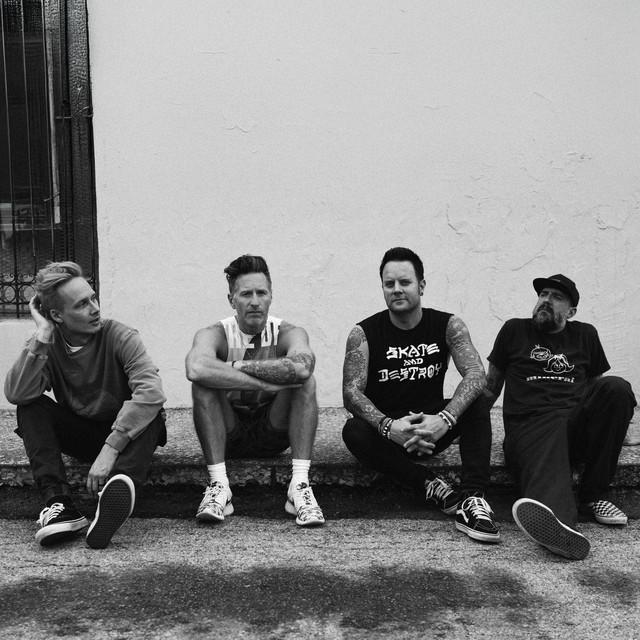
Yellowcard’s Spotify BioYellowcard meant it when they said goodbye. The lights dimmed on one of the most beloved pop-punk and alt-rock bands of the 2000s with intention and authenticity. Wrapping things up with a farewell tour, Yellowcard exited the “right” way, with grace, appreciation, and finality.
But the story wasn’t complete. Legacy cracked the door. Healing blew it wide open. Riding a resurgence that saw the global Ocean Avenue 20th anniversary tour featured in Forbes and a reconciliation that put all four members at peace with their legacy and each other, Yellowcard just made the most ambitious and emotionally resonant record of their career. Better Days, the band’s first album in nearly a decade, was produced by blink-182’s Travis Barker, who also played drums on every track.
Better Days is an unflinching reflection on gratitude, forgiveness, perspective, and purpose. Once ubiquitous on MTV and the Billboard Hot 100, the Vans Warped Tour veterans, whose first two albums produced double-platinum and… gold title tracks, sound fully recharged and revitalized in 2025. William Ryan Key, Sean Mackin, Ryan Mendez, and Josh Portman have never sounded stronger.
Their first release with powerhouse label Better Noise Music, Better Days is Yellowcard’s testimony that healing is a process, growth is nonlinear, and sometimes the best chapter opens after the supposed ending. This isn’t just a return. It’s a reckoning. And this time, Yellowcard is ready.
Viberate is a music analytics platform built for A&Rs, artist managers, labels, booking agents, marketers, and artists.
It helps music professionals track artist growth, analyze audience data, monitor playlist activity, compare artists, follow song performance, and identify opportunities across the music market.
Public artist pages provide a free preview of selected artist data. Paid plans provide access to deeper analytics, historical data, charts, comparisons, playlist tools, exports, alerts, reports, and additional professional features.
Yes. Public Viberate artist pages provide selected artist analytics and music data for free.
Viberate also offers a 7-day free trial of the full platform. A credit card is required to start the trial. The trial includes access to the complete product so users can test deeper artist analytics, historical views, playlist insights, comparisons, charts, exports, alerts, and reporting features before choosing a paid plan.
Viberate provides artist analytics across streaming, playlists, social media, video, radio airplay, songs, and audience markets.
Users can analyze Spotify performance, Spotify and Apple Music playlists, YouTube activity, TikTok and Instagram growth, radio spins, song performance, audience locations, demographics, rankings, and overall artist momentum.
Artist profiles also connect to music charts, similar artists, and comparison tools, helping users benchmark performance and evaluate artists in context.
Viberate updates key artist and track data daily.
For followed artists and tracks, selected data is refreshed multiple times per day. This helps teams monitor playlist changes, streaming movement, audience growth, releases, and campaign performance with more current data.
Update frequency can vary depending on the metric and data source.
Yes. Viberate lets users compare up to five artists side by side across streaming, social media, audience, and engagement metrics.
Users can compare fanbase growth, audience demographics, locations, Spotify performance, social metrics, and other artist data over selected time periods.
Artist comparison can be used for A&R scouting, benchmarking, booking decisions, campaign planning, and evaluating artists with similar audiences or market positions.