New Found Glory

Punk
Pop Punk
Punk Rock
 Viberate Rank: 6804
 Viberate Rank: 6804
 Monthly ListenersFollowers
 Subscribers
 Followers
 Followers
 FansTop Spotify Songs
| Track | 7-Day Streams | |
|---|---|---|
1 | 457.21K | |
2 | 183.78K | |
3 | 148.49K | |
4 | 112.09K | |
5 | 90.09K |
Top YouTube VideosMonthly ListenersFeatured in Playlists| Playlist | Followers | |
|---|---|---|
1 |  Pure Pop Punk Spotify | 2.99M |
2 |  2000s Pop Punk Hits coleyevich | 767.75K |
3 |  Pop Punk's Not Dead Spotify | 604.70K |
4 |  teen angst Spotify | 597.37K |
5 |  Punk Rock Workout Spotify | 542.10K |
Audience| City | Monthly Listeners | |
|---|---|---|
1 | | 31.52K |
2 |  | 27.94K |
3 | | 26.87K |
4 | | 25.69K |
5 | | 24.82K |
See full performance history, audience data, playlist activity, rankings, comparisons, and more in Viberate music analytics. Start with a free trial, then continue with a paid plan.
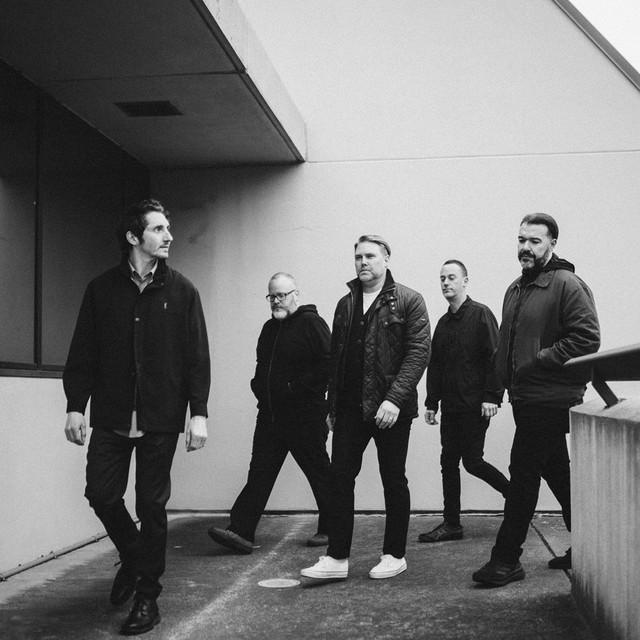
New Found Glory’s Spotify BioIt’s been decades since New Found Glory’s likeness was chiseled onto pop-punk’s Mount Rushmore, but as the quartet, formed in Coral Springs, Florida, in 1997, approach their landmark 30th anniversary, they still have a lot to say.
“We wanted to make something that really focused on how lucky we are,” guitarist Chad Gilbert explains of Listen Up!, NFG’s 11th studio album and first release for Pure Noise Records. “We’ve all gone through serious stuff in our lives, and I think the lyrics on this record are more meaningful and purposeful than ever. It’s a positive outlet that hopefully keeps people going.”
The album’s spirit is indeed a testament to resilience, shaped not only by Gilbert’s ongoing battle with an aggressive metastatic cancer but also the ever-evolving dynamic between him and his bandmates – vocalist Jordan Pundik, bassist Ian Grushka and drummer Cyrus Bolooki – as they continue to push each other creatively. It’s the same full-hearted sentiment that colored their 2023… acoustic EP, Make The Most Of It, here delivered in three-minute bursts of the band’s trademark pop-punk sound: the shiny melodies that launched them onto TRL in the early 2000s, the ghosts of the tight-knit punk and hardcore scenes they came up in as teenagers.
At this stage in their decorated career, New Found Glory’s goals are straightforward: keep inspiring the next generation of artists and continue writing songs that help their audience – and themselves – find strength, courage, and joy.
Viberate is a music analytics platform built for A&Rs, artist managers, labels, booking agents, marketers, and artists.
It helps music professionals track artist growth, analyze audience data, monitor playlist activity, compare artists, follow song performance, and identify opportunities across the music market.
Public artist pages provide a free preview of selected artist data. Paid plans provide access to deeper analytics, historical data, charts, comparisons, playlist tools, exports, alerts, reports, and additional professional features.
Yes. Public Viberate artist pages provide selected artist analytics and music data for free.
Viberate also offers a 7-day free trial of the full platform. A credit card is required to start the trial. The trial includes access to the complete product so users can test deeper artist analytics, historical views, playlist insights, comparisons, charts, exports, alerts, and reporting features before choosing a paid plan.
Viberate provides artist analytics across streaming, playlists, social media, video, radio airplay, songs, and audience markets.
Users can analyze Spotify performance, Spotify and Apple Music playlists, YouTube activity, TikTok and Instagram growth, radio spins, song performance, audience locations, demographics, rankings, and overall artist momentum.
Artist profiles also connect to music charts, similar artists, and comparison tools, helping users benchmark performance and evaluate artists in context.
Viberate updates key artist and track data daily.
For followed artists and tracks, selected data is refreshed multiple times per day. This helps teams monitor playlist changes, streaming movement, audience growth, releases, and campaign performance with more current data.
Update frequency can vary depending on the metric and data source.
Yes. Viberate lets users compare up to five artists side by side across streaming, social media, audience, and engagement metrics.
Users can compare fanbase growth, audience demographics, locations, Spotify performance, social metrics, and other artist data over selected time periods.
Artist comparison can be used for A&R scouting, benchmarking, booking decisions, campaign planning, and evaluating artists with similar audiences or market positions.