Ned's Atomic Dustbin

Rock
Alternative Rock
 Viberate Rank: 117064
 Viberate Rank: 117064
 Monthly ListenersFollowers
 Subscribers
 Followers
 Followers
 FansTop Spotify Songs
| Track | 7-Day Streams | |
|---|---|---|
1 | 10.54K | |
2 | 7.05K | |
3 | 3.17K | |
4 | 2.61K | |
5 | 1.75K |
Top YouTube VideosMonthly ListenersFeatured in Playlists| Playlist | Followers | |
|---|---|---|
1 | GRUNGE zerubi | 80.90K |
2 | giant 90s alt/indie/etc playlist PART 1: 1990-1994 Aroon Karvna | 22.13K |
3 |  Everything Sucks! Official Playlist Netflix | 20.57K |
4 | 1990s Alternative Rock Carl McCarthy | 18.65K |
5 |  MADCHESTER Raquel ☘️ | 16.96K |
Audience| City | Monthly Listeners | |
|---|---|---|
1 | | 1.92K |
2 | | 1.00K |
3 |  | 752 |
4 | | 685 |
5 |  | 612 |
See full performance history, audience data, playlist activity, rankings, comparisons, and more in Viberate music analytics. Start with a free trial, then continue with a paid plan.
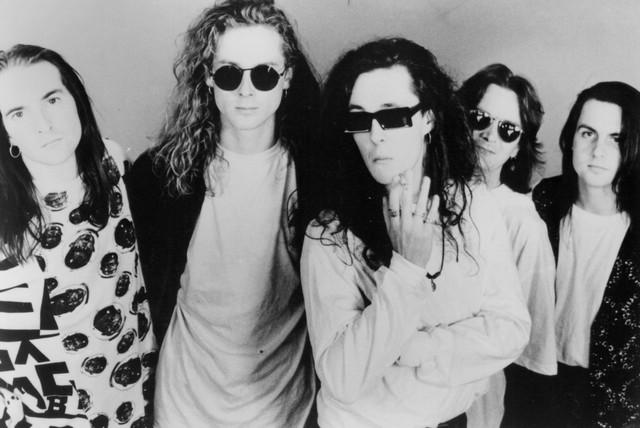
Ned's Atomic Dustbin’s Spotify BioNed's Atomic Dustbin's stylish fusion of punk and funk earned them a fair number of fans in the early '90s, just as England's Stone Roses-inspired "Madchester" scene was drawing to a close. Comprised of Jonn Penney (vocals), Rat (guitar), Matt Cheslin (bass), Alex Griffin (bass), and Dan Warton (drums), the group began as a neo-goth rock outfit in the late '80s. By the beginning of the '90s, the band had developed a dense, assaultive sound that was distinguished by their thundering two-bass attack. Ned's released their first single, "Kill Your Television," in 1990; on the back of a slick, sloganeering marketing attack (epitomized by the 86 T-shirts the band had designed in their first three years), the single reached the U.K. Top 50 and led to a record contract with Sony Music. The band released its debut album, God Fodder, in 1991; it entered the charts at number four. For the rest of the year, the group toured the world and released singles drawn from God Fodder. Though they remained… popular in the U.K., they weren't able to gather anything larger than a cult following in America. Released in 1992, Are You Normal? also failed to expand their following. For 1995's Brainbloodvolume, Ned's decided to expand their trademark sound by experimenting with techno music, yet the album proved a commercial failure. ~ Stephen Thomas Erlewine, Rovi
Viberate is a music analytics platform built for A&Rs, artist managers, labels, booking agents, marketers, and artists.
It helps music professionals track artist growth, analyze audience data, monitor playlist activity, compare artists, follow song performance, and identify opportunities across the music market.
Public artist pages provide a free preview of selected artist data. Paid plans provide access to deeper analytics, historical data, charts, comparisons, playlist tools, exports, alerts, reports, and additional professional features.
Yes. Public Viberate artist pages provide selected artist analytics and music data for free.
Viberate also offers a 7-day free trial of the full platform. A credit card is required to start the trial. The trial includes access to the complete product so users can test deeper artist analytics, historical views, playlist insights, comparisons, charts, exports, alerts, and reporting features before choosing a paid plan.
Viberate provides artist analytics across streaming, playlists, social media, video, radio airplay, songs, and audience markets.
Users can analyze Spotify performance, Spotify and Apple Music playlists, YouTube activity, TikTok and Instagram growth, radio spins, song performance, audience locations, demographics, rankings, and overall artist momentum.
Artist profiles also connect to music charts, similar artists, and comparison tools, helping users benchmark performance and evaluate artists in context.
Viberate updates key artist and track data daily.
For followed artists and tracks, selected data is refreshed multiple times per day. This helps teams monitor playlist changes, streaming movement, audience growth, releases, and campaign performance with more current data.
Update frequency can vary depending on the metric and data source.
Yes. Viberate lets users compare up to five artists side by side across streaming, social media, audience, and engagement metrics.
Users can compare fanbase growth, audience demographics, locations, Spotify performance, social metrics, and other artist data over selected time periods.
Artist comparison can be used for A&R scouting, benchmarking, booking decisions, campaign planning, and evaluating artists with similar audiences or market positions.