Superchunk

Rock
Indie Rock
Power Pop
Punk Rock
 Viberate Rank: 79135
 Viberate Rank: 79135
 Monthly ListenersFollowers
 Subscribers
 Followers
 Followers
 FansTop Spotify Songs
| Track | 7-Day Streams | |
|---|---|---|
1 | 10.71K | |
2 | 6.60K | |
3 | 6.46K | |
4 | 4.71K | |
5 | 3.63K |
Top YouTube Videos| Video | 7-Day Views | |
|---|---|---|
1 | 882 | |
2 | 562 | |
3 | 511 | |
4 | 402 | |
5 | 387 |
Monthly ListenersFeatured in Playlists| Playlist | Followers | |
|---|---|---|
1 | RS Playlist Rolling Stone | 96.02K |
2 | While You Work (@whileyouwork) Eli Feghali | 81.75K |
3 |  The Sound of Everything The Sounds of Spotify | 53.81K |
4 |  Social Distancing Distortion Matt Berninger | 35.86K |
5 |  2000s Alternative & Indie Rock PK | 30.30K |
Audience| City | Monthly Listeners | |
|---|---|---|
1 | | 2.10K |
2 | | 1.91K |
3 | | 1.73K |
4 | | 1.46K |
5 | | 1.39K |
See full performance history, audience data, playlist activity, rankings, comparisons, and more in Viberate music analytics. Start with a free trial, then continue with a paid plan.
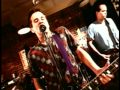
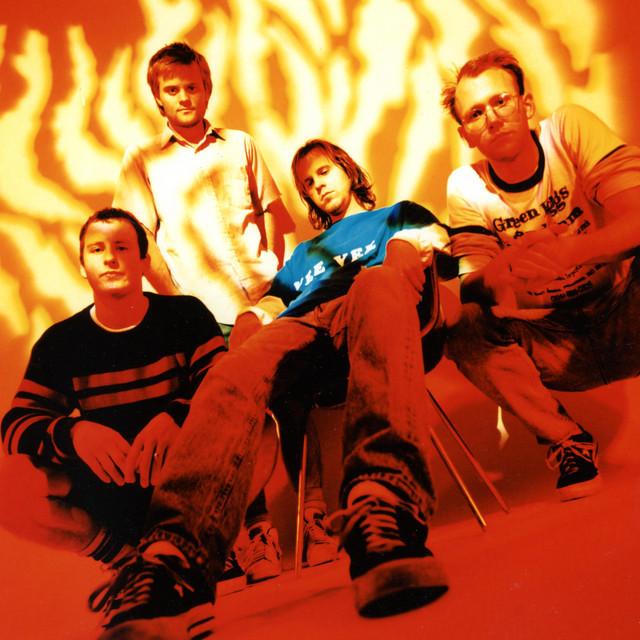
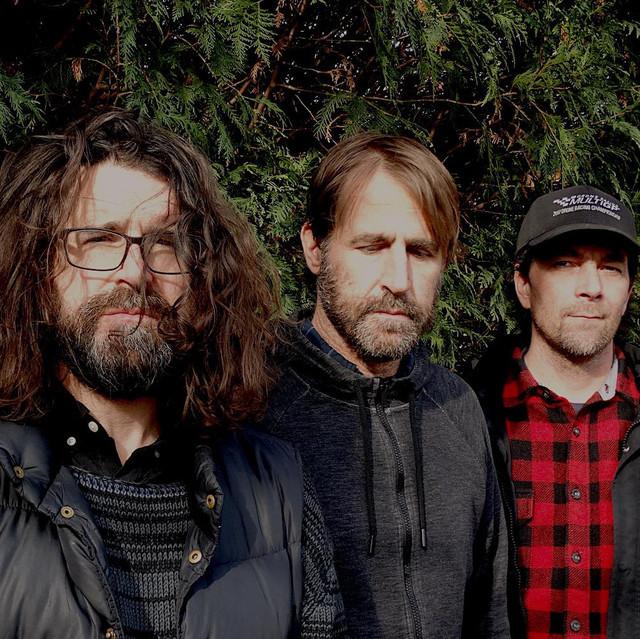
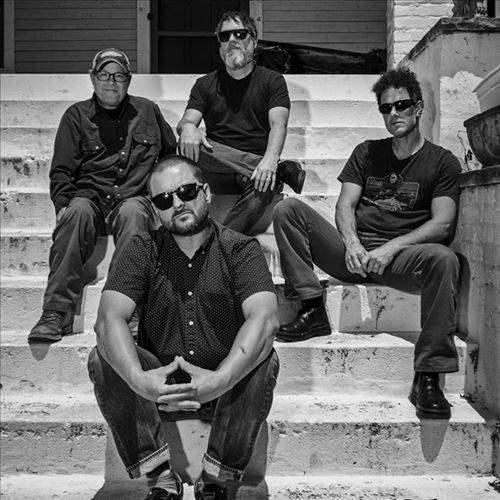
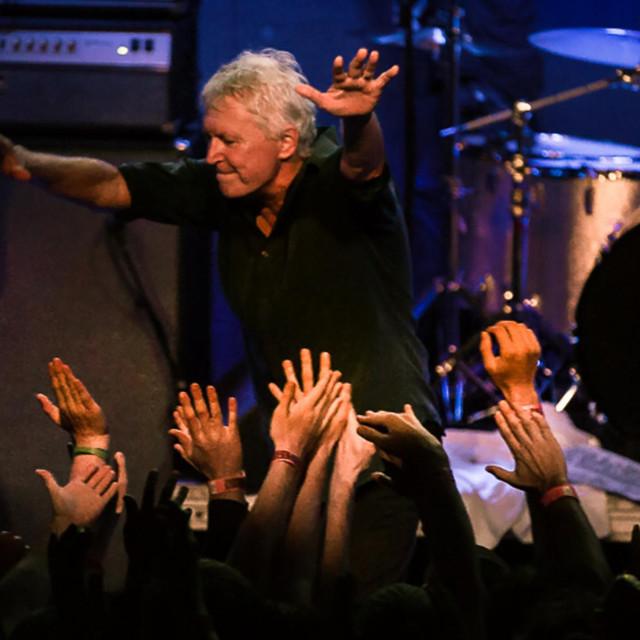
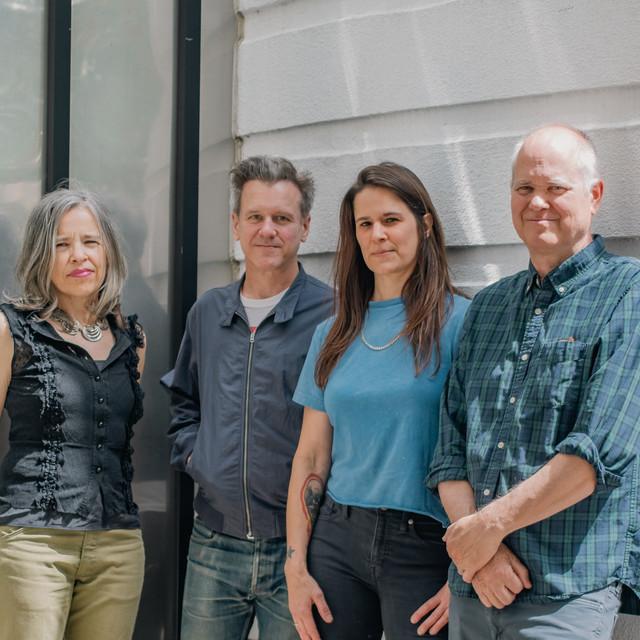
Superchunk’s Spotify BioOver a 30-plus-year run, Superchunk has consistently been one of the best and most lasting examples of the magic that can happen when the D.I.Y. spirit of punk merges with the wiry honesty of indie rock. Their uncompromising, high voltage power pop sound is built on supercharged guitars and breathless tempos, then brought fully to life by Mac McCaughan's painfully honest words and mercurial vocals. The band remained emphatically independent over the years, releasing music on their own label Merge and focusing on organically developing as trends came and went around them. While their strength remained high-energy indie rock -- typified by 1990's anthem "Slack Motherfucker" and 2018's What a Time to Be Alive-- as the band matured, their approach grew to include the aching catharsis of 1994 breakup album Foolish, flirtations with jazz instrumentation on 1999's Jim O'Rourke-produced Come Pick Me Up, and the softened delivery and orchestral touches of 2022's Wild Loneliness.
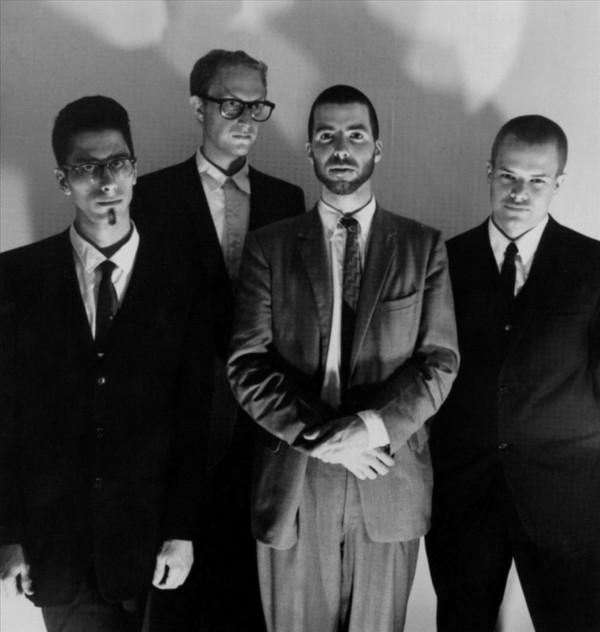
Superchunk were… formed in the college town of Chapel Hill in 1989 by singer/guitarist McCaughan, bassist Laura Ballance, drummer Chuck Garrison, and guitarist Jack McCook. Initially dubbed merely Chunk -- the "Super" prefix was later added to avoid confusion with a similarly named New York City avant-jazz band -- the group issued its debut single, "What Do I," on the Merge label, which was jointly run by McCaughan and Ballance. The follow-up was 1990's epochal Slack Motherfucker, MacCaughan's blistering tirade against a lazy Kinko's co-worker. The single was immediately hailed on both sides of the Atlantic as one of the definitive indie anthems of the era, and with the subsequent release of their self-titled debut LP, Superchunk were widely celebrated among the most promising young bands in America.
As the success of acts like Nirvana and Pearl Jam made Seattle an early-'90s music scene of note, label heads scrambled to locate the next alternative rock hotbed. Chapel Hill became the consensus choice, and Superchunk were tapped as the Next Big Thing. The quartet -- which had subsequently exchanged McCook for guitarist Jim Wilbur -- soon found itself in the middle of a major-label bidding war, but the bandmembers defiantly stuck to their guns, remaining on Merge for their brilliant 1991 sophomore effort No Pocky for Kitty, recorded by Steve Albini and distributed by Matador. A singles collection, Tossing Seeds, followed in 1992, and a year later Superchunk -- with new drummer Jon Wurster -- returned with the superb On the Mouth, highlighted by the singles "Mower" and "The Question Is How Fast."
In addition to Superchunk's relentless tour itinerary and prolific recording schedule, McCaughan released the 1994 LP I Hope Your Heart Is Not Brittle, the first full-length release from his side project Portastatic. Even as media attention shifted elsewhere, Superchunk forged ahead. Their 1994 album Foolish deepened the band's emotional currency, with most songs directly addressing the fallout of Ballance and McCaughan's romantic relationship ending. An intra-band breakup album, Foolish was a favorite with fans and critics alike. Also in 1994, the band offered up Incidental Music, a second compilation of singles, B-sides, compilation tracks, and other assorted offerings. 1995's Here's Where the Strings Come In heralded a subtle refinement of their core sound, and was supported by a tour on the second stage at that summer's Lollapalooza festival; the first single and video, the surging "Hyper Enough," was even a minor hit. A brief hiatus preceded the release of the 1996 EP The Laughter Guns. The full-length Indoor Living appeared the next year, and Superchunk returned in 1999 with Come Pick Me Up.
Ten years later, the band remained as prolific as ever with their eighth full-length release, Here's to Shutting Up, which arrived in 2001. A third collection of singles, the double-disc Cup of Sand, followed in 2003, compiling the band's singles and assorted rare tracks from 1995 to 2002. Superchunk contributed songs to various compilations over the following years, including a humorous duet with "Meatwad," the meatball-shaped character from Comedy Central's Aqua Teen Hunger Force, which ultimately appeared on the show's soundtrack. They also released material on their own, including the 2009 EP Leaves in the Gutter. The band's ninth album, Majesty Shredding, which featured a horn section and guest vocals from Mountain Goats' John Darnielle, arrived the following September. The band's next album was tinged with melancholy, as several songs dealt with their grief over the death of production designer David Doernberg, a longtime friend. Superchunk released I Hate Music in the summer of 2013, promoting it with a month-long U.S. tour. Due to worsening hearing issues, Ballance didn't go on the road with the band this time around; she was replaced on bass by Jason Narducy of Split Single. He also played with Wurster in Bob Mould's band.
After the tour, the band dialed things back and the members concentrated on other things, like running Merge and, in Wurster's case, running a hilarious Instagram page, but Superchunk were sparked back into life by the results of the 2016 presidential election. McCaughan began writing songs soon after the results came in and was finished by February of 2017, at which time they began recording with Beau Sorenson, who they had worked with on I Hate Music. The album was recorded in a rush of energy and, for the first time in a while, had no keyboards. It did have a wide range of guest vocalists though, including Sabrina Ellis of A Giant Dog, Waxahatchee's Katie Crutchfield, David Bazan, and Stephin Merritt. Two songs recorded for the album were released for charity in 2017; the proceeds from "I Got Cut" went to Planned Parenthood, and those from "Break the Glass" went to the Southern Poverty Law Center. What a Time to Be Alive was released in February of 2018 and the band headed out on a month-long tour immediately after. The next year Superchunk celebrated the 25th anniversary of their watershed 1994 album Foolish with AF (Acoustic Foolish). The album revisited all 12 of the original album's songs, with additional vocals again from Katie Crutchfield as well as an appearance from Wye Oak's Jenn Wasner. On their 12th studio album 2022's Wild Loneliness, the group change course somewhat from the disquieting fuzz of its immediate predecessor, turning down the aggression and volume in favor of more subtle fare. This came in the form of graceful string arrangements from Owen Pallett, guest saxophone parts from Wye Oak's Andy Stack, and members of Teenage Fanclub adding vocal harmonies to sanguine single "Endless Summer." The band followed it with a short tour after which Wurster left the band after 31 years helming the drums. The band's first release after his departure was a fitting one: Misfits & Mistakes: Singles, B-sides & Strays 2007-2023 gathered up 50 songs from the latter years of his tenure. It was also the first and last record to feature Narducy's bass playing -- on two live songs -- as he also left the band. They were replaced by the Bat Fangs' rhythm section of bassist Betsy Wright and drummer Laura King for a late 2023 tour that was launched after the compilation's release. ~ Jason Ankeny, Rovi
Viberate is a music analytics platform built for A&Rs, artist managers, labels, booking agents, marketers, and artists.
It helps music professionals track artist growth, analyze audience data, monitor playlist activity, compare artists, follow song performance, and identify opportunities across the music market.
Public artist pages provide a free preview of selected artist data. Paid plans provide access to deeper analytics, historical data, charts, comparisons, playlist tools, exports, alerts, reports, and additional professional features.
Yes. Public Viberate artist pages provide selected artist analytics and music data for free.
Viberate also offers a 7-day free trial of the full platform. A credit card is required to start the trial. The trial includes access to the complete product so users can test deeper artist analytics, historical views, playlist insights, comparisons, charts, exports, alerts, and reporting features before choosing a paid plan.
Viberate provides artist analytics across streaming, playlists, social media, video, radio airplay, songs, and audience markets.
Users can analyze Spotify performance, Spotify and Apple Music playlists, YouTube activity, TikTok and Instagram growth, radio spins, song performance, audience locations, demographics, rankings, and overall artist momentum.
Artist profiles also connect to music charts, similar artists, and comparison tools, helping users benchmark performance and evaluate artists in context.
Viberate updates key artist and track data daily.
For followed artists and tracks, selected data is refreshed multiple times per day. This helps teams monitor playlist changes, streaming movement, audience growth, releases, and campaign performance with more current data.
Update frequency can vary depending on the metric and data source.
Yes. Viberate lets users compare up to five artists side by side across streaming, social media, audience, and engagement metrics.
Users can compare fanbase growth, audience demographics, locations, Spotify performance, social metrics, and other artist data over selected time periods.
Artist comparison can be used for A&R scouting, benchmarking, booking decisions, campaign planning, and evaluating artists with similar audiences or market positions.