Stroke 9

Rock
Alternative Rock
Pop Rock
 Viberate Rank: 89336
 Viberate Rank: 89336
 Monthly ListenersFollowers
 Subscribers
 Followers
 Followers
 FansTop Spotify Songs
| Track | 7-Day Streams | |
|---|---|---|
1 | 53.86K | |
2 | 8.12K | |
3 | 5.53K | |
4 | 3.68K | |
5 | 1.40K |
Top YouTube VideosMonthly ListenersFeatured in Playlists| Playlist | Followers | |
|---|---|---|
1 | Best '90s Alternative Playlist Ever jasonrb | 795.03K |
2 |  90's Nostalgia & 2000 Throw Backs! Major | 88.50K |
3 |  Songs You Forgot Existed Fuegostine | 81.74K |
4 |  Scrubs - All Songs Leo Otto | 80.96K |
5 | GRUNGE zerubi | 80.90K |
Audience| City | Monthly Listeners | |
|---|---|---|
1 | | 3.60K |
2 | | 3.00K |
3 | | 2.42K |
4 | | 1.96K |
5 | | 1.73K |
See full performance history, audience data, playlist activity, rankings, comparisons, and more in Viberate music analytics. Start with a free trial, then continue with a paid plan.
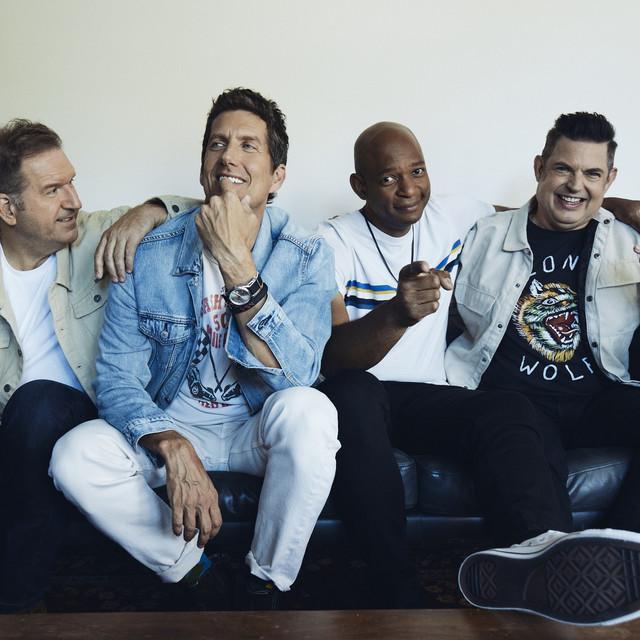
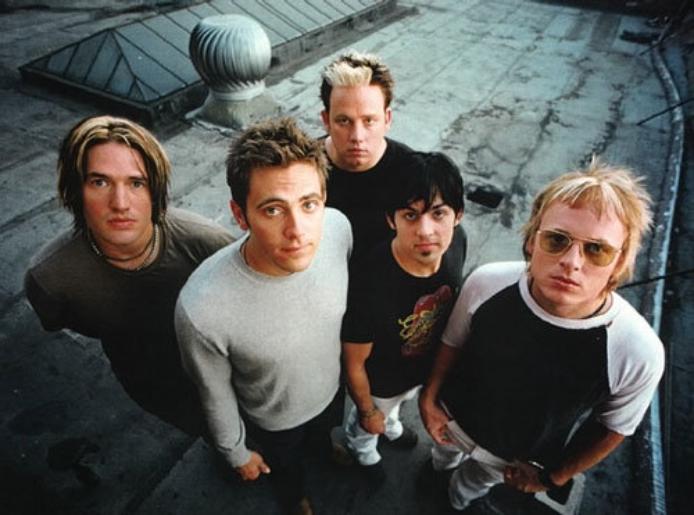
Stroke 9’s Spotify BioRocking ain’t easy. History has shown us countless examples of bands that couldn’t hold it together, ending in either a spectacular on-stage explosion, or by quietly fading into nothingness.
And yet here we have San Francisco’s STROKE 9, happily celebrating over 20 years in the music business. In an industry notorious for churning and burning, Stroke 9's continued success can be attributed to one thing: They’re too dumb to stop doing it.
But is it really so crazy? Having sold millions of copies of their 8 studio albums, and played countless clubs and theaters for their legions of adoring fans all over the world, Stroke 9 continues to experience the same level of joy and excitement as at their first rehearsal in 1989. When you’re doing what you love, there’s no logical reason to ever stop.
Stroke 9 burst onto the millennial alt-rock radio scene with their #1 hit “Little Black Backpack,” from the platinum-selling “Nasty Little Thoughts.” Following several national and world tours, the band… came back with the chart-topping album “Rip It Off,” featuring the hit singles “Kick Some Ass” and “Do It Again.” Their music has been featured in weird places, as well as in “Jay and Silent Bob Strike Back,” “Malcolm In The Middle,” “Scrubs,” and other film and TV shows.
In 2005, Stroke 9 left the corporate scene to form their own label, and now release their semi-annual albums directly to the fans. Stroke 9 continues to tour from time to time, depending on how the wind is blowing.
Viberate is a music analytics platform built for A&Rs, artist managers, labels, booking agents, marketers, and artists.
It helps music professionals track artist growth, analyze audience data, monitor playlist activity, compare artists, follow song performance, and identify opportunities across the music market.
Public artist pages provide a free preview of selected artist data. Paid plans provide access to deeper analytics, historical data, charts, comparisons, playlist tools, exports, alerts, reports, and additional professional features.
Yes. Public Viberate artist pages provide selected artist analytics and music data for free.
Viberate also offers a 7-day free trial of the full platform. A credit card is required to start the trial. The trial includes access to the complete product so users can test deeper artist analytics, historical views, playlist insights, comparisons, charts, exports, alerts, and reporting features before choosing a paid plan.
Viberate provides artist analytics across streaming, playlists, social media, video, radio airplay, songs, and audience markets.
Users can analyze Spotify performance, Spotify and Apple Music playlists, YouTube activity, TikTok and Instagram growth, radio spins, song performance, audience locations, demographics, rankings, and overall artist momentum.
Artist profiles also connect to music charts, similar artists, and comparison tools, helping users benchmark performance and evaluate artists in context.
Viberate updates key artist and track data daily.
For followed artists and tracks, selected data is refreshed multiple times per day. This helps teams monitor playlist changes, streaming movement, audience growth, releases, and campaign performance with more current data.
Update frequency can vary depending on the metric and data source.
Yes. Viberate lets users compare up to five artists side by side across streaming, social media, audience, and engagement metrics.
Users can compare fanbase growth, audience demographics, locations, Spotify performance, social metrics, and other artist data over selected time periods.
Artist comparison can be used for A&R scouting, benchmarking, booking decisions, campaign planning, and evaluating artists with similar audiences or market positions.