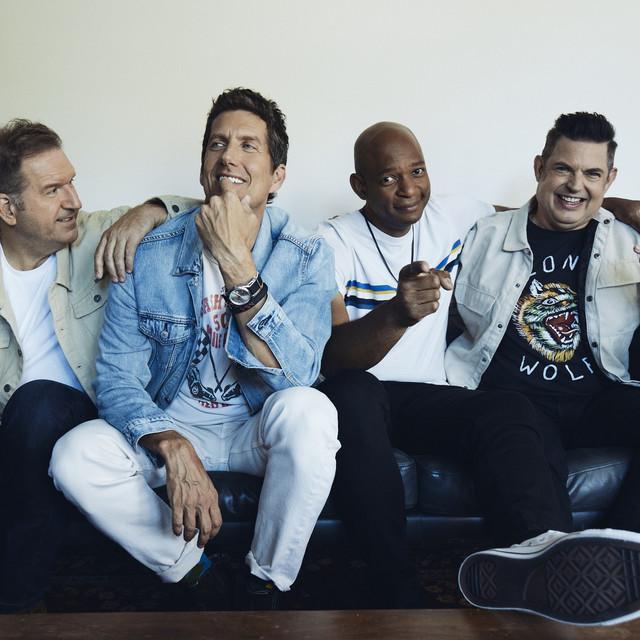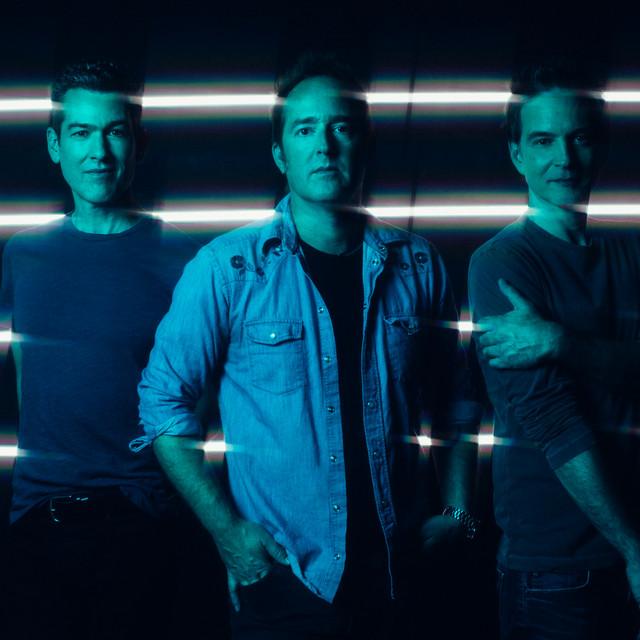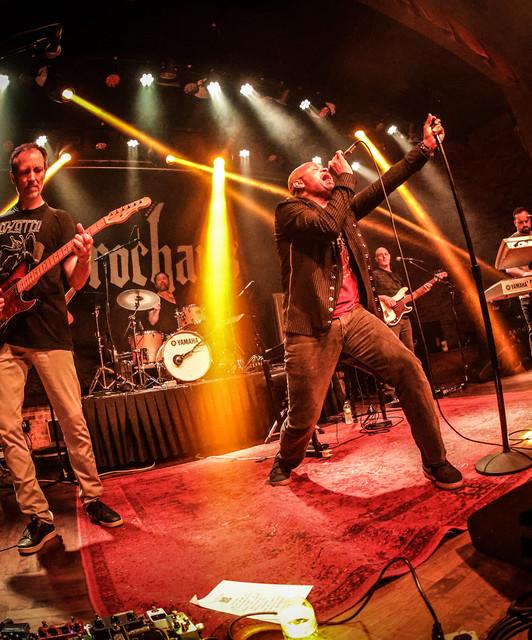
The Verve Pipe

Rock
Alternative Rock
 Viberate Rank: 25768
 Viberate Rank: 25768
 Monthly ListenersFollowers
 Subscribers
 Followers
 Followers
 FansTop Spotify Songs
| Track | 7-Day Streams | |
|---|---|---|
1 | 303.02K | |
2 | 17.45K | |
3 | 8.59K | |
4 | 8.26K | |
5 | 4.31K |
Top YouTube VideosMonthly ListenersFeatured in Playlists| Playlist | Followers | |
|---|---|---|
1 |  90s Acoustic Spotify | 2.45M |
2 |  90s Pop Rock Spotify | 1.53M |
3 | Best '90s Alternative Playlist Ever jasonrb | 795.03K |
4 |  90s ALT ROCK Filtr US | 687.27K |
5 |  90’s Bangers chris_topher_ | 368.60K |
Audience| City | Monthly Listeners | |
|---|---|---|
1 | | 11.67K |
2 |  | 10.26K |
3 | | 10.23K |
4 |  | 9.87K |
5 | | 8.63K |
See full performance history, audience data, playlist activity, rankings, comparisons, and more in Viberate music analytics. Start with a free trial, then continue with a paid plan.
The Verve Pipe’s Spotify BioPrimarily known for their post-grunge blockbuster hit "The Freshmen," the Verve Pipe formed in 1992 in Lansing, Michigan, where frontman Brian Vander Ark pieced his group together from the ashes of two local bands. He and his brother, bassist Brad Vander Ark, had previously played in Johnny with an Eye, while drummer Donny Brown and guitarist Brian Stout were veterans of Water 4 the Pool. Both bands had been local favorites throughout Michigan, which helped the newly formed Verve Pipe become a local hit on college campuses across the state.
They released their first independent album, I've Suffered a Head Injury, in the fall of 1992. Stout was dropped from the lineup in 1993 and was replaced by A.J. Dunning. The same year, the band released a second independent album, Pop Smear. Through constant touring, they developed a strong reputation and rabid following in their home state, packing large venues with converted fans and eventually selling a combined total of more than 40,000 copies… of their first two albums.
In 1995, the Verve Pipe signed to RCA Records and began recording their major-label debut, Villains, which appeared the following year. The album spent 15 weeks in Billboard's Heatseekers chart, and its lead single, "Photograph," enjoyed respectable airplay on alternative radio and MTV. Keyboardist Doug Corella was added as a full-time member the same year. After spending 12 months touring and promoting Villains, including an opening spot for Kiss on the European leg of their much-hyped reunion tour, the Verve Pipe finally began to make some serious headway in early 1997, when a re-recorded version of "The Freshmen" -- originally found on the group's debut, I've Suffered a Head Injury -- was released as a single. By that spring, "The Freshmen" had become a number one modern rock hit and a Top Ten pop smash, sending the album into the Top 40 and earning a gold certification. Villains eventually went platinum, and "The Freshmen" became the band's signature song.
The Verve Pipe released a self-titled sophomore album in mid-1999, but its grungy songs sounded sorely out of place in a market now saturated by nu-metal groups like Limp Bizkit, and the record failed to produce any hit singles. The band returned in 2001 with Underneath, a considerably stronger album with production by Adam Schlesinger. It, too, failed to spawn any hits as big as "The Freshmen," and the group took an eight-year break from the recording studio while Brian Vander Ark turned his attention to a solo career. Reconvening in 2009, the Verve Pipe issued a collection of family-friendly songs -- the aptly titled A Family Album -- and toured in support of its release. Four years later, the Verve Pipe released their second children's album, Are We There Yet?
The band returned to adult-oriented rock music in 2014 with Overboard. In the years that followed, they toured regularly, building up to the 20th anniversary of 1996's Villains which they celebrated by acoustically playing the album in its entirety at Ann Arbor's The Ark. This performance was released as a live album in 2017, accompanied by Parachute, another collection of original material. ~ Chris Woodstra & Andrew Leahey, Rovi
Viberate is a music analytics platform built for A&Rs, artist managers, labels, booking agents, marketers, and artists.
It helps music professionals track artist growth, analyze audience data, monitor playlist activity, compare artists, follow song performance, and identify opportunities across the music market.
Public artist pages provide a free preview of selected artist data. Paid plans provide access to deeper analytics, historical data, charts, comparisons, playlist tools, exports, alerts, reports, and additional professional features.
Yes. Public Viberate artist pages provide selected artist analytics and music data for free.
Viberate also offers a 7-day free trial of the full platform. A credit card is required to start the trial. The trial includes access to the complete product so users can test deeper artist analytics, historical views, playlist insights, comparisons, charts, exports, alerts, and reporting features before choosing a paid plan.
Viberate provides artist analytics across streaming, playlists, social media, video, radio airplay, songs, and audience markets.
Users can analyze Spotify performance, Spotify and Apple Music playlists, YouTube activity, TikTok and Instagram growth, radio spins, song performance, audience locations, demographics, rankings, and overall artist momentum.
Artist profiles also connect to music charts, similar artists, and comparison tools, helping users benchmark performance and evaluate artists in context.
Viberate updates key artist and track data daily.
For followed artists and tracks, selected data is refreshed multiple times per day. This helps teams monitor playlist changes, streaming movement, audience growth, releases, and campaign performance with more current data.
Update frequency can vary depending on the metric and data source.
Yes. Viberate lets users compare up to five artists side by side across streaming, social media, audience, and engagement metrics.
Users can compare fanbase growth, audience demographics, locations, Spotify performance, social metrics, and other artist data over selected time periods.
Artist comparison can be used for A&R scouting, benchmarking, booking decisions, campaign planning, and evaluating artists with similar audiences or market positions.