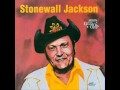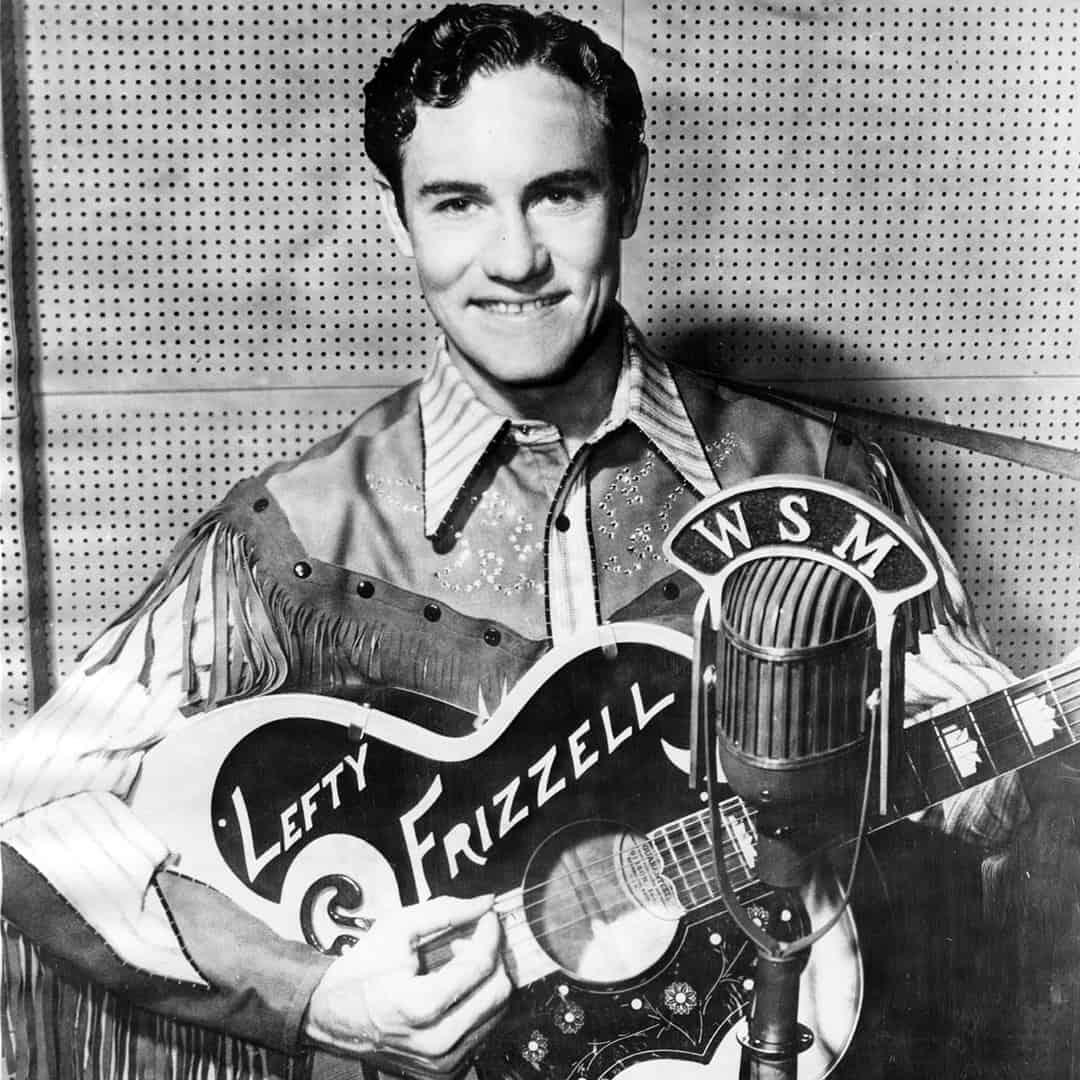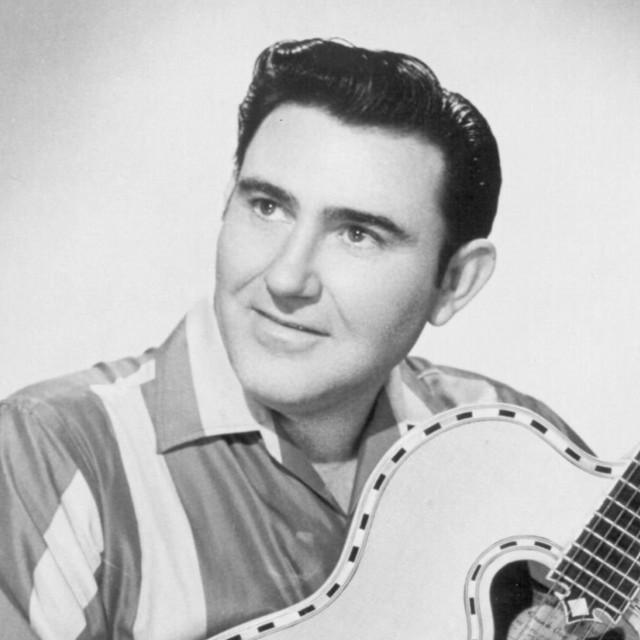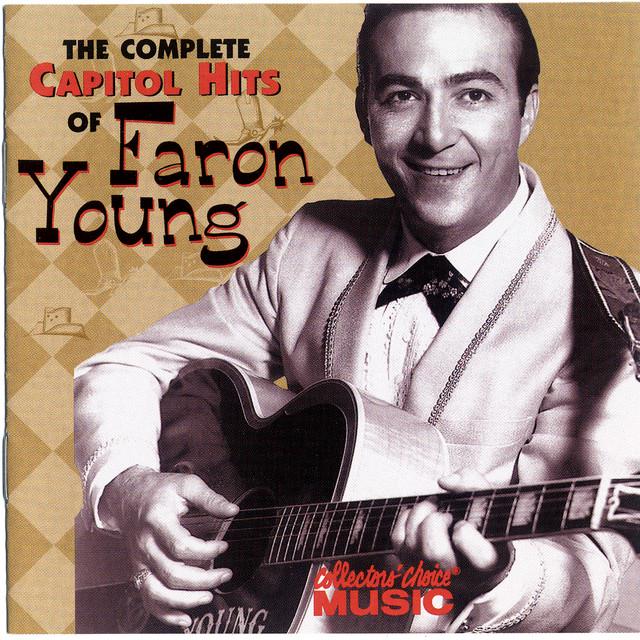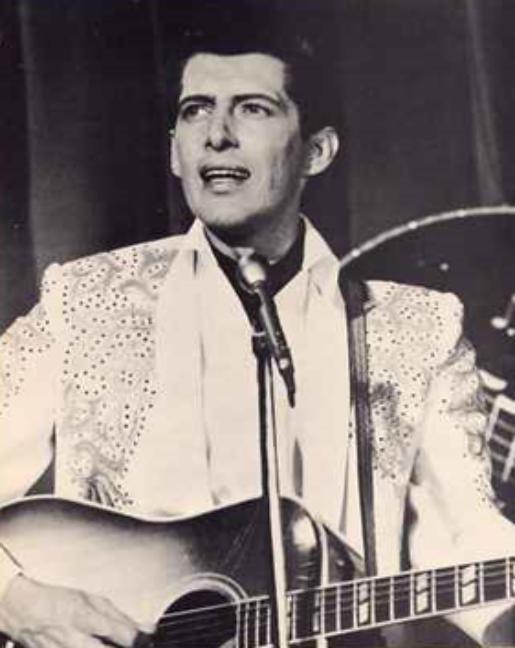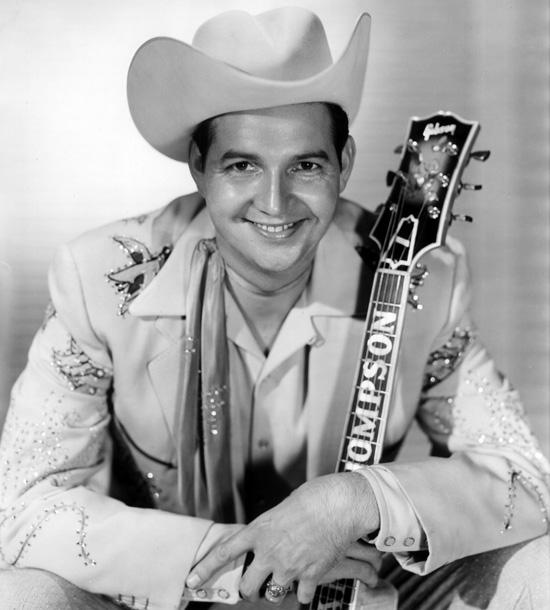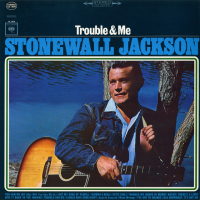
Stonewall Jackson

Country
Contemporary Country
Americana/Alt Country
 Viberate Rank: 87459
 Viberate Rank: 87459
 Monthly ListenersFollowers
 Subscribers
 Followers
 Followers
 FansTop Spotify Songs
| Track | 7-Day Streams | |
|---|---|---|
1 | 20.04K | |
2 | 9.27K | |
3 | 6.27K | |
4 | 5.81K | |
5 | 4.58K |
Top YouTube VideosMonthly ListenersFeatured in Playlists| Playlist | Followers | |
|---|---|---|
1 |  Classic Country Filtr Legacy Sweden | 135.83K |
2 |  Out in the Open Ben Kretchman | 64.64K |
3 |  The Old Western Cowboy Shane | 34.97K |
4 |  Old Country Classics Glenn Asbjørn B. Ovedal | 34.48K |
5 | Breaking Bad Soundtrack Timberly Jordache Faust | 33.40K |
Audience| City | Monthly Listeners | |
|---|---|---|
1 | | 1.57K |
2 | | 1.31K |
3 | | 1.24K |
4 | | 1.08K |
5 | | 1.06K |
See full performance history, audience data, playlist activity, rankings, comparisons, and more in Viberate music analytics. Start with a free trial, then continue with a paid plan.
Stonewall Jackson’s Spotify BioStonewall Jackson was one of the most popular country stars of the early '60s, scoring a string of Top Ten country hits and becoming a fixture at the Grand Ole Opry with a pleading voice that seemed to reflect his hard, often-abusive upbringing on a south Georgia dirt farm. He was named after the Confederate general Thomas "Stonewall" Jackson, to whom he was related, according to family legend. When he was ten he traded his bike for a guitar and began making up songs. Some of his later hits, such as "Don't Be Angry," were written very early in his creative life. Jackson began singing professionally in the mid-'50s, moving to Nashville in 1956. Within a few days of his arrival he delivered an unsolicited demo recording to the offices of the Acuff-Rose publishing house, and executive Wesley Rose heard his singing and set up an audition for Jackson at the Grand Ole Opry. Jackson became the first entertainer to join the Opry without a recording contract, performing first on the Opry's… Friday Night Frolics before his official debut. Backed by Ernest Tubb's Texas Troubadours, he proved so popular that the audience demanded four encores.
Eventually Jackson hit the road with Tubb, who became a mentor to the young singer and songwriter. By early 1957, Jackson had signed a recording contract with Columbia and cut his first record, "Don't Be Angry." Jackson followed up with a cover of George Jones' "Life to Go," which peaked at number two in early 1959. The upbeat "Waterloo," with its mixture of novelty and melancholy, did even better, spending five weeks at the top of the country charts, hitting number four on the pop charts, and garnering Jackson some national television exposure. Through the early '60s, Jackson was a consistent hitmaker with such country standards as "Why I'm Walkin'" (number six, 1960), "A Wound Time Can't Erase" (number three, 1962), and "I Washed My Hands in Muddy Water" (number eight, 1965). Jackson's second number one hit, "B.J. the D.J.," arrived in early 1964.
During the second half of the '60s, he reached the Top 40 less often, scoring only one Top Ten hit: 1967's "Stamp Out Loneliness." His Columbia albums of this period contained ornate wordplay from the pens of well-established Nashville writers like Vic McAlpin; songs such as "Ship in a Bottle" and "Nevermore Quote the Raven" applied literary virtuosity to traditional country themes. By 1970, however, Jackson wasn't even hitting the Top 40. He bounced back briefly in 1971 with a cover of Lobo's "Me and You and a Dog Named Boo." In 1973, he had his last hit with "Herman Schwartz," which reached number 41. After that, Jackson continued to appear regularly on the Opry and to record occasionally, releasing albums like the inspirational Make Me Like a Child Again. He also re-recorded versions of his old hits, and he privately published his autobiography, From the Bottom Up, in 1991. Stonewall Jackson died in Nashville on December 4, 2021 due to vascular dementia; he was 89 years old. ~ Sandra Brennan & James Manheim, Rovi
Viberate is a music analytics platform built for A&Rs, artist managers, labels, booking agents, marketers, and artists.
It helps music professionals track artist growth, analyze audience data, monitor playlist activity, compare artists, follow song performance, and identify opportunities across the music market.
Public artist pages provide a free preview of selected artist data. Paid plans provide access to deeper analytics, historical data, charts, comparisons, playlist tools, exports, alerts, reports, and additional professional features.
Yes. Public Viberate artist pages provide selected artist analytics and music data for free.
Viberate also offers a 7-day free trial of the full platform. A credit card is required to start the trial. The trial includes access to the complete product so users can test deeper artist analytics, historical views, playlist insights, comparisons, charts, exports, alerts, and reporting features before choosing a paid plan.
Viberate provides artist analytics across streaming, playlists, social media, video, radio airplay, songs, and audience markets.
Users can analyze Spotify performance, Spotify and Apple Music playlists, YouTube activity, TikTok and Instagram growth, radio spins, song performance, audience locations, demographics, rankings, and overall artist momentum.
Artist profiles also connect to music charts, similar artists, and comparison tools, helping users benchmark performance and evaluate artists in context.
Viberate updates key artist and track data daily.
For followed artists and tracks, selected data is refreshed multiple times per day. This helps teams monitor playlist changes, streaming movement, audience growth, releases, and campaign performance with more current data.
Update frequency can vary depending on the metric and data source.
Yes. Viberate lets users compare up to five artists side by side across streaming, social media, audience, and engagement metrics.
Users can compare fanbase growth, audience demographics, locations, Spotify performance, social metrics, and other artist data over selected time periods.
Artist comparison can be used for A&R scouting, benchmarking, booking decisions, campaign planning, and evaluating artists with similar audiences or market positions.