Hank Thompson

Country
Contemporary Country
Americana/Alt Country
 Viberate Rank: 95062
 Viberate Rank: 95062
 Monthly ListenersFollowers
 Subscribers
 Followers
 Followers
 FansTop Spotify Songs
| Track | 7-Day Streams | |
|---|---|---|
1 | 23.99K | |
2 | 11.66K | |
3 | 9.26K | |
4 | 6.43K | |
5 | 4.28K |
Top YouTube VideosMonthly ListenersFeatured in Playlists| Playlist | Followers | |
|---|---|---|
1 |  Fallout Radio Spotify | 297.39K |
2 |  Best of Fallout (Fallout 3, 4 & New Vegas) Harry Lewin | 198.78K |
3 |  Fallout Radio Jon | 170.84K |
4 |  Fallout Radio (All Games) morgan | 112.87K |
5 | Wasteland Radio Expanded Neale Christopher Zeringue | 76.99K |
Audience| City | Monthly Listeners | |
|---|---|---|
1 | | 2.06K |
2 | | 1.55K |
3 | | 1.44K |
4 | | 1.43K |
5 | | 1.39K |
See full performance history, audience data, playlist activity, rankings, comparisons, and more in Viberate music analytics. Start with a free trial, then continue with a paid plan.
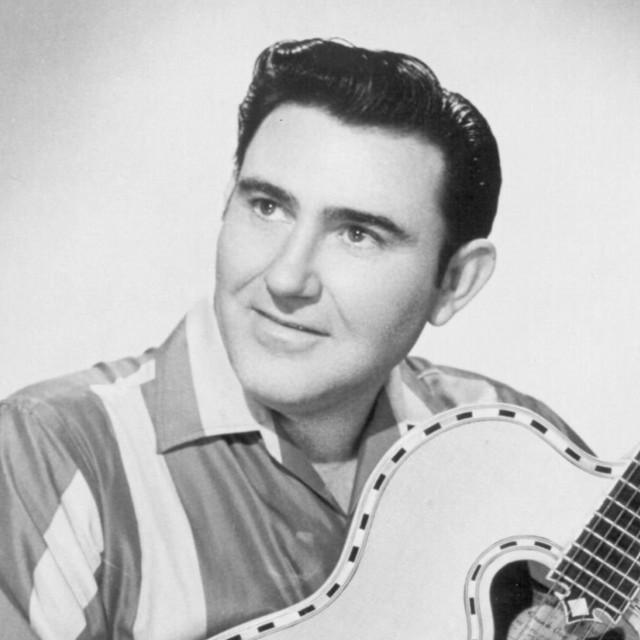
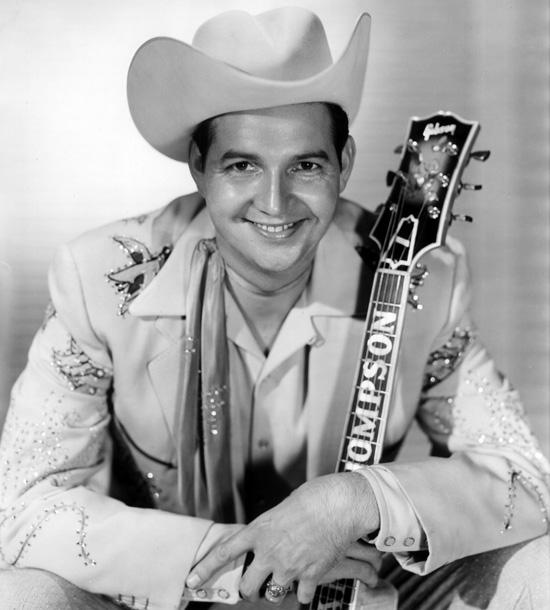
Hank Thompson’s Spotify BioHank Thompson was perhaps the most popular Western swing musician of the '50s and '60s, keeping the style alive with a top-notch band, tremendous showmanship, and a versatility that allowed him to expand his repertoire into romantic ballads and hardcore honky tonk numbers. Born September 3, 1925, in Waco, TX, Henry William Thompson was the son of immigrants from Bohemia and grew up idolizing Western swing and country musicians like Bob Wills, Jimmie Rodgers, and Gene Autry. He began learning harmonica and guitar as a child, and appeared in local talent shows as a teenager, which eventually led to his own local radio program (billed as Hank the Hired Hand). After graduating from high school in 1943, Thompson joined the Navy as a radio technician and often wrote songs to entertain his fellow soldiers. Following his discharge, Thompson studied electrical engineering at Princeton through the G.I. Bill, but eventually decided to pursue music as a career. He returned to Waco and to the radio… business, and set about putting together a band he dubbed the Brazos Valley Boys. They quickly became a popular live act around the area and recorded their first single, "Whoa Sailor" (a song Thompson had written in the Navy) for the Globe label in 1946. A few more singles followed for Bluebonnet, by which time Tex Ritter had become a Thompson admirer. Ritter helped Thompson land a record deal with Capitol in 1947, an association that would last for the next 18 years.
Thompson scored his first major hit for Capitol in 1949 with the smash "Humpty Dumpty Heart," the biggest of his six charting singles that year. In 1951, he hooked up with producer Ken Nelson, who would helm many of his most successful records. Those records included "The Wild Side of Life," a monster hit from 1952 (over three months at number one) that became Thompson's signature song. Its cynical attitude inspired an answer record by Kitty Wells called "It Wasn't God Who Made Honky Tonk Angels," which made her the first female artist in country music history with a million-selling record. Thompson continued to score hit after hit during the '50s, including 21 songs that reached the Top 20 on the country charts and five Top Tens in the year 1954 alone. A savvy promoter, Thompson devised a number of ways to make himself stand out from the crowd (even past his suave cowboy wardrobe): his early-'50s television show in Oklahoma City was the first variety show broadcast in color and he was the first country artist to tour with a sound and lighting system (put together using his Navy and collegiate experience), the first to receive corporate sponsorship, and the first to record in high-fidelity stereo. He also gave early breaks to musicians like guitar legend Merle Travis and female rockabilly pioneer Wanda Jackson. Toward the end of the '50s, Thompson began to create LPs that were more cohesive than just mere collections of singles plus filler; 1958's Dance Ranch and 1959's Songs for Rounders were Western swing/honky tonk masterpieces, especially the latter, which stirred up controversy with its groundbreakingly adult (some said decadent) lyrical content. In 1961, Thompson recorded the first live album ever released in the history of country music, the classic At the Golden Nugget.
After that burst of inspired creativity, Thompson's luck began to change: the public's taste was moving toward slick country-pop and the electrified Bakersfield sound and despite several more fine records, Thompson's relationship with Capitol ended in 1965. He first moved to Warner Bros., then ABC/Dot in 1968 (which became part of MCA in 1970). Thompson continued to record and tour and his singles charted regularly during the '70s all the way up to 1983, though he never matched the level of success he'd enjoyed in the '50s and early '60s. Even after the hits dried up, Thompson maintained a demanding concert tour schedule, playing all over the world. He was elected to the Country Music Hall of Fame in 1989. ~ Steve Huey, Rovi
Viberate is a music analytics platform built for A&Rs, artist managers, labels, booking agents, marketers, and artists.
It helps music professionals track artist growth, analyze audience data, monitor playlist activity, compare artists, follow song performance, and identify opportunities across the music market.
Public artist pages provide a free preview of selected artist data. Paid plans provide access to deeper analytics, historical data, charts, comparisons, playlist tools, exports, alerts, reports, and additional professional features.
Yes. Public Viberate artist pages provide selected artist analytics and music data for free.
Viberate also offers a 7-day free trial of the full platform. A credit card is required to start the trial. The trial includes access to the complete product so users can test deeper artist analytics, historical views, playlist insights, comparisons, charts, exports, alerts, and reporting features before choosing a paid plan.
Viberate provides artist analytics across streaming, playlists, social media, video, radio airplay, songs, and audience markets.
Users can analyze Spotify performance, Spotify and Apple Music playlists, YouTube activity, TikTok and Instagram growth, radio spins, song performance, audience locations, demographics, rankings, and overall artist momentum.
Artist profiles also connect to music charts, similar artists, and comparison tools, helping users benchmark performance and evaluate artists in context.
Viberate updates key artist and track data daily.
For followed artists and tracks, selected data is refreshed multiple times per day. This helps teams monitor playlist changes, streaming movement, audience growth, releases, and campaign performance with more current data.
Update frequency can vary depending on the metric and data source.
Yes. Viberate lets users compare up to five artists side by side across streaming, social media, audience, and engagement metrics.
Users can compare fanbase growth, audience demographics, locations, Spotify performance, social metrics, and other artist data over selected time periods.
Artist comparison can be used for A&R scouting, benchmarking, booking decisions, campaign planning, and evaluating artists with similar audiences or market positions.