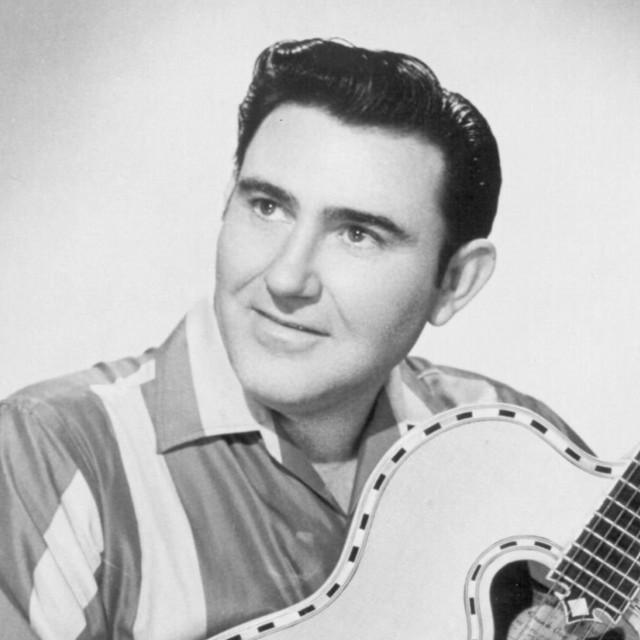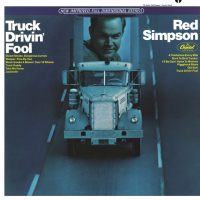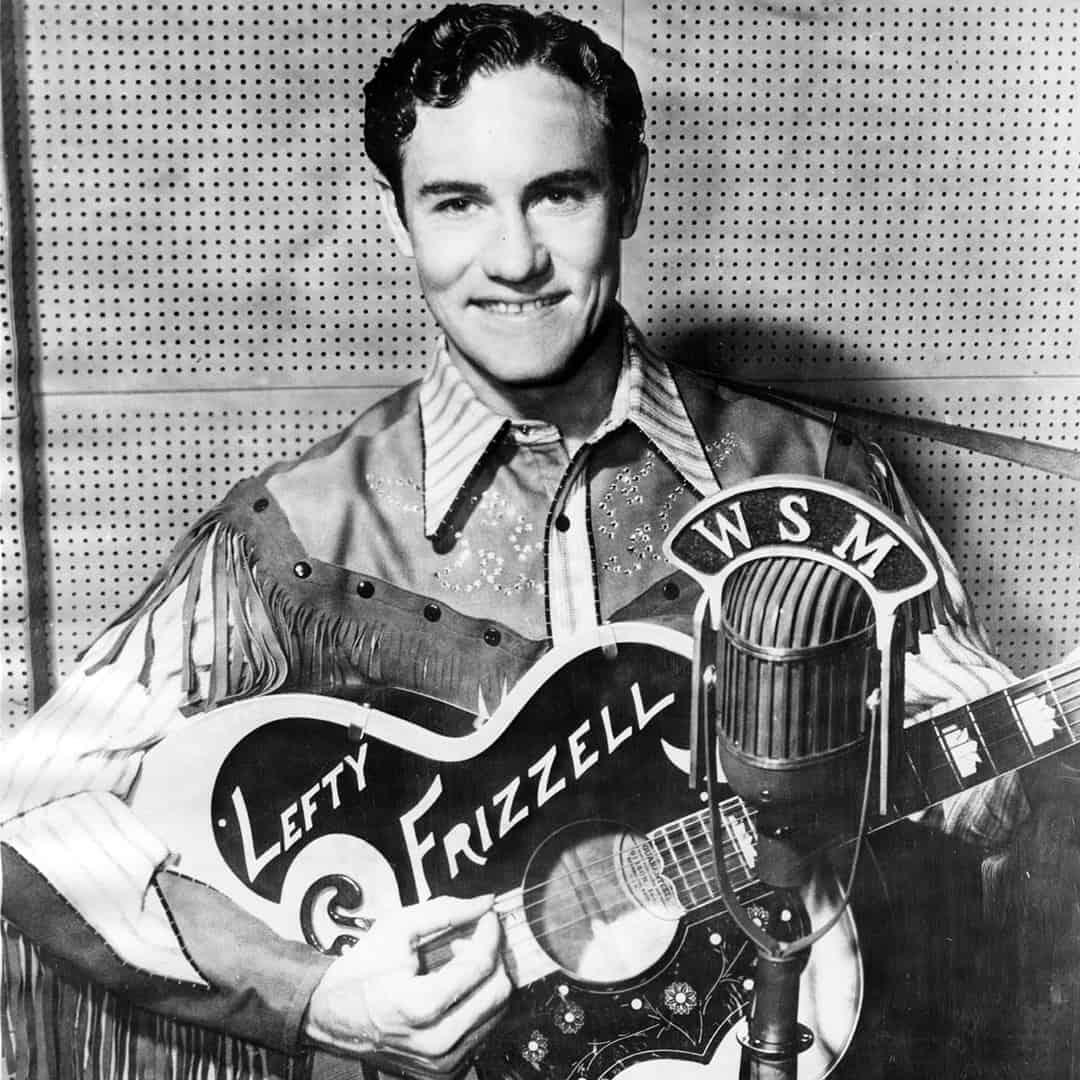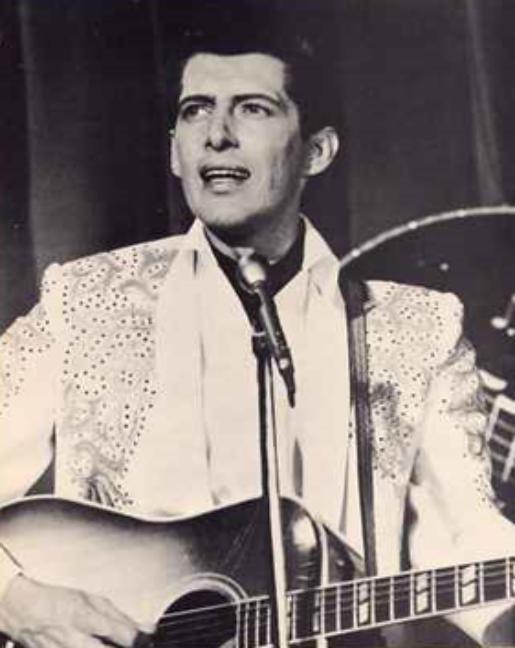
Del Reeves

Country
Contemporary Country
Americana/Alt Country
 Viberate Rank: 118889
 Viberate Rank: 118889
 Monthly ListenersFollowers
 Subscribers
 Followers
 Followers
 FansTop Spotify Songs
| Track | 7-Day Streams | |
|---|---|---|
1 | 23.76K | |
2 | 9.67K | |
3 | 7.83K | |
4 | 7.08K | |
5 | 6.60K |
Top YouTube VideosMonthly ListenersFeatured in Playlists| Playlist | Followers | |
|---|---|---|
1 |  60s Country Spotify | 388.01K |
2 |  Old Country Classics Glenn Asbjørn B. Ovedal | 34.48K |
3 | Classic Country Carter Santos | 28.55K |
4 |  Good’ns Rural Sultan | 17.84K |
5 |  Background Music for Kissing Del Water Gap | 15.46K |
Audience| City | Monthly Listeners | |
|---|---|---|
1 | | 1.82K |
2 | | 1.54K |
3 | | 1.52K |
4 | | 1.16K |
5 |  | 1.16K |
See full performance history, audience data, playlist activity, rankings, comparisons, and more in Viberate music analytics. Start with a free trial, then continue with a paid plan.
Del Reeves’ Spotify BioDel Reeves enjoyed a run of success on the country charts during the latter half of the '60s, often penning his own material as well. He was born Franklin Delano Reeves in Sparta, NC, in 1932; the youngest of 11 children, he learned guitar by borrowing his brothers' instruments while they were serving in World War II. He was a local radio star by age 12 and later attended Appalachian State College and served in the Air Force, which led to a relocation to Sacramento. There he became a regular on The Chester Smith Show from 1958-1961, after which he moved to Nashville and began recording for Decca (his first chart single was 1961's "Be Quiet Mind"). He and his wife also became a professional songwriting team, contributing material to Carl Smith, Rose Maddox, Roy Drusky, and Sheb Wooley. Short stints at Reprise and Columbia preceded Reeves' signing with United Artists, where he landed his first number one hit, "Girl on a Billboard," in 1965. Its follow-up, "The Belles of Southern Bell,"… made the Top Five, and "Women Do Funny Things to Me" reached the Top Ten in early 1966. Three more songs -- "Looking at the World Through a Windshield," "Be Glad," and his signature tune, "Good Time Charlie's" -- made the Top Five over 1968-1969, and he cut a series of duets with Bobby Goldsboro and Penny DeHaven over the next several years. He also returned to the screen, hosting Del Reeves' Country Carnival on television and appearing in several feature films during the late '60s. His last big Top Ten hit came with 1971's "The Philadelphia Fillies," but he continued to record for United Artists through the '70s, cutting some more duets with Billie Jo Spears in 1976. He departed in 1979 and later became a music executive, playing a role in the signing of Billy Ray Cyrus. ~ Steve Huey, Rovi
Viberate is a music analytics platform built for A&Rs, artist managers, labels, booking agents, marketers, and artists.
It helps music professionals track artist growth, analyze audience data, monitor playlist activity, compare artists, follow song performance, and identify opportunities across the music market.
Public artist pages provide a free preview of selected artist data. Paid plans provide access to deeper analytics, historical data, charts, comparisons, playlist tools, exports, alerts, reports, and additional professional features.
Yes. Public Viberate artist pages provide selected artist analytics and music data for free.
Viberate also offers a 7-day free trial of the full platform. A credit card is required to start the trial. The trial includes access to the complete product so users can test deeper artist analytics, historical views, playlist insights, comparisons, charts, exports, alerts, and reporting features before choosing a paid plan.
Viberate provides artist analytics across streaming, playlists, social media, video, radio airplay, songs, and audience markets.
Users can analyze Spotify performance, Spotify and Apple Music playlists, YouTube activity, TikTok and Instagram growth, radio spins, song performance, audience locations, demographics, rankings, and overall artist momentum.
Artist profiles also connect to music charts, similar artists, and comparison tools, helping users benchmark performance and evaluate artists in context.
Viberate updates key artist and track data daily.
For followed artists and tracks, selected data is refreshed multiple times per day. This helps teams monitor playlist changes, streaming movement, audience growth, releases, and campaign performance with more current data.
Update frequency can vary depending on the metric and data source.
Yes. Viberate lets users compare up to five artists side by side across streaming, social media, audience, and engagement metrics.
Users can compare fanbase growth, audience demographics, locations, Spotify performance, social metrics, and other artist data over selected time periods.
Artist comparison can be used for A&R scouting, benchmarking, booking decisions, campaign planning, and evaluating artists with similar audiences or market positions.