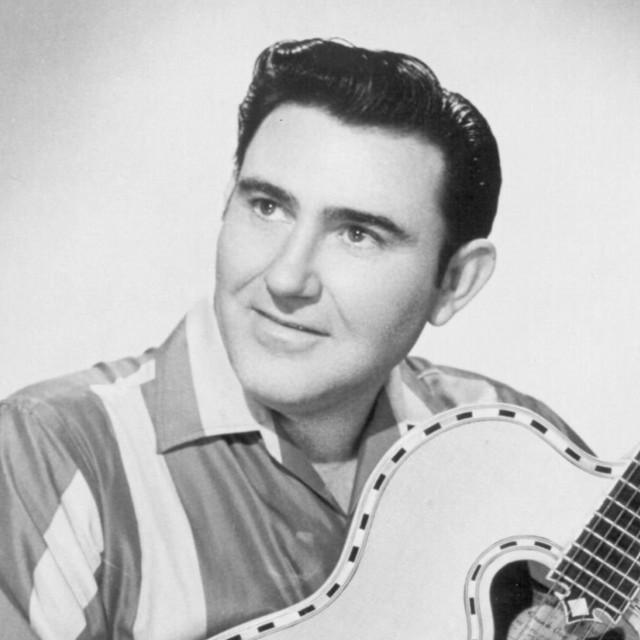
Webb Pierce

Country
Americana/Alt Country
 Viberate Rank: 73747
 Viberate Rank: 73747
 Monthly ListenersFollowers
 Subscribers
 Followers
 Followers
 FansTop Spotify Songs
| Track | 7-Day Streams | |
|---|---|---|
1 | 41.69K | |
2 | 20.91K | |
3 | 7.52K | |
4 | 6.47K | |
5 | 6.30K |
Top YouTube VideosMonthly ListenersFeatured in Playlists| Playlist | Followers | |
|---|---|---|
1 |  Classic Country Spotify | 659.18K |
2 |  50s Country Spotify | 300.31K |
3 | Wasteland Radio Expanded Neale Christopher Zeringue | 76.99K |
4 |  Radio New Vegas tamoreton | 74.21K |
5 |  Old School Country Classics MotorCitySmytty | 73.39K |
Audience| City | Monthly Listeners | |
|---|---|---|
1 | | 2.88K |
2 | | 2.24K |
3 | | 2.19K |
4 | | 2.04K |
5 | | 1.89K |
See full performance history, audience data, playlist activity, rankings, comparisons, and more in Viberate music analytics. Start with a free trial, then continue with a paid plan.
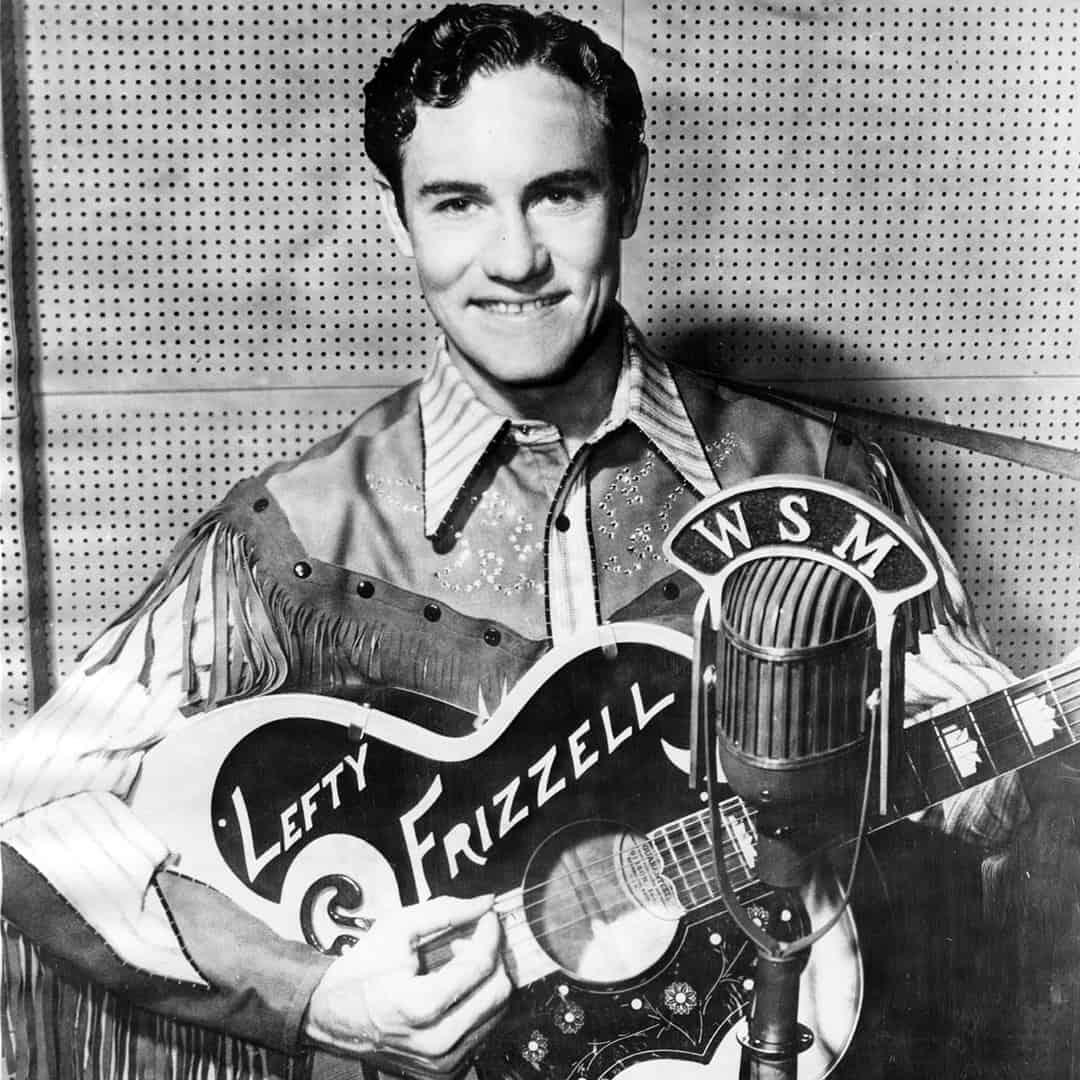
Webb Pierce’s Spotify BioWebb Pierce was one of the most popular honky tonk vocalists of the '50s, racking up more number one hits than similar artists like Hank Williams, Eddy Arnold, Lefty Frizzell, and Ernest Tubb. For most of the general public, Pierce -- with his lavish, flamboyant Nudie suits -- became the most recognizable face of country music, as well as all of its excesses; after all, he boasted about his pair of convertibles lined with silver dollars and his guitar-shaped swimming pool. For all of his success, Pierce never amassed the reputation of his contemporaries, even though he continued to chart regularly well into the '70s. Webb's weakness for gaudy ornaments of his wealth, as well as his reluctance to break away from hardcore honky tonk, meant that he had neither supporters in the industry, nor the ability to sustain the ever-changing tastes of a popular audience. Nevertheless, he remains one of the cornerstone figures of honky tonk, both for his success and his artistic achievements.
As a… child in West Monroe, LA, Pierce became infatuated with Gene Autry films and his mother's hillbilly records, particularly those of Jimmie Rodgers and various Western swing and Cajun groups. He began to play guitar before he was a teenager. At the age of 15, he was hired as a singer by Monroe's KMLB. During World War II, Pierce enlisted in the Army. While he was in the service, he married Betty Jane Lewis; their wedding was in June of 1942. After he was discharged, Webb and his wife moved back to Monroe, but by 1944 he moved to Shreveport. Getting a job at Sears Roebuck, Pierce began singing on radio stations, nightclubs, and dances with Betty Jane. At first, they were featured on an early morning radio show on KTBS, while they would perform in the evening at clubs. It took them five years before they were noticed by the industry. In 1949, the California-based 4 Star Records signed the duo under separate recording contracts. Webb signed under his own name, while his wife was signed for duets with her husband under the name Betty Jane and Her Boyfriends. However, success didn't come to the duo -- it only came for Webb; in the summer of 1950, the couple divorced.
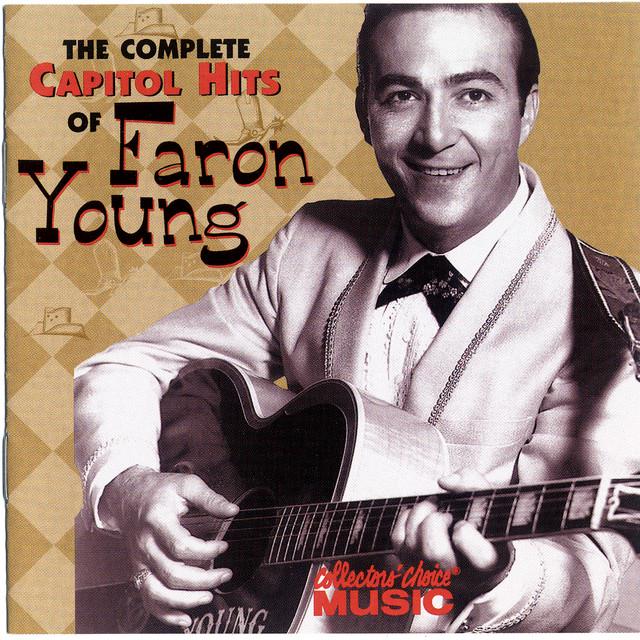
In late 1949, Pierce accepted a spot on the Louisiana Hayride, a radio program on KWKH that was instrumental in launching the careers of many country artists. Webb began to assemble a band of local Shreveport musicians, which included recruiting pianist Floyd Cramer, guitarist/vocalist Faron Young, bassist Tillman Franks, and vocalists Teddy and Doyle Wilburn. The Wilburns and Franks all wrote songs, which provided the basis for Webb's initial set list. Pierce also founded a record label called Pacemaker and Ark-La-Tex Music, a publishing company, with Horace Logan, the director of the Louisiana Hayride. On Pacemaker, Pierce made several records between 1950 and 1951. They weren't designed to be big sellers -- they were created with the intent of attracting radio play around Louisiana. In 1951, he was able to get out of his 4-Star contract and Decca Records signed him immediately. Webb's second single, "Wondering," became his breakthrough hit, climbing to number one early in 1952. After the single became a hit, Pierce left Louisiana for Nashville, where he met and married his second wife, Audrey Greisham. In June of 1952, he had his second number one single with "That Heart Belongs to Me." The following September, the Grand Ole Opry needed to fill the vacancy left by the firing of Hank Williams, so they invited Pierce to join the cast. After Williams' death, Pierce became the most popular singer in country music. For the next four years, every single he released hit the Top Ten, with a total of ten reaching number one, including "There Stands the Glass" (1953), "Slowly" (1954), "More and More" (1954), and "In the Jailhouse Now" (1955).
Pierce and Opry manager Jim Denny formed Cedarwood Music, a music publishing company, in 1953; later, the pair would invest in radio stations together. Their business ventures were not looked upon kindly by the Opry superiors, and they began pressuring the duo to cease any outside interests. At the same time, Pierce was growing tired of being confined to the Grand Ole Opry -- he thought he wasn't being treated with the respect a star of his stature deserved, and he wanted to be able to partake in the lucrative financial rewards that came with touring. Pierce left the Opry in 1955 and began appearing on Ozark Jubilee, a television program on the ABC network. He left Ozark Jubilee in 1956 and returned to the Opry but left for good the following year.
Pierce continued to have hits until the end of the '50s, but he did take a significant dip in popularity after rock & roll's arrival in the late '50s. Nevertheless, Pierce stayed on the charts, primarily because he kept in close touch with DJs across the country, which meant that he was able to keep his streak of 34 consecutive Top Ten hits running into 1957. For a while, Pierce tried to keep up with rock & roll, covering the Everly Brothers and recording pseudo-rockabilly numbers. Once those proved unsuccessful, he stuck with honky tonk and continued to rack up Top Ten hits right through 1964.
By 1965, the country-pop leanings of the Nashville Sound had pushed honky tonk from the top of the country charts. Pierce remained a star, but he simply didn't have many big hits in the latter half of the '60s -- the most notable was "Fool Fool Fool" in 1967. Since his music had faded from the spotlight, he became known for his excessive lifestyle. Instead of indulging in intoxicants, Webb indulged in material items. Pierce had Nudie Cohen, a Hollywood tailor famous for his custom-made flamboyant clothing, line two Pontiac convertibles with silver dollars. He built a guitar-shaped swimming pool at his Nashville home. The swimming pool became a popular tourist attraction -- nearly 3,000 people visited it each week -- causing his neighbors, led by Ray Stevens, to file a legal suit against Pierce in order to prevent visitors from coming into their neighborhood.
Throughout the '70s, Pierce continued to record, but most of his income came from his highly lucrative financial investments. Pierce left Decca Records in 1975, making a handful of records for Plantation Records that didn't experience much chart success. His last hit came in 1982, when his duet on "In the Jailhouse Now" with Willie Nelson scraped the bottom of the country charts.
Despite all of his success, Pierce was never inducted into the Country Music Hall of Fame during his lifetime; it's likely that the members never forgave him for his rejection of the Grand Ole Opry and the Nashville industry. Pierce died of pancreatic cancer on February 24, 1991. Just months before his death, he didn't receive enough votes to be inducted into the Hall of Fame. Nevertheless, his career stands as one of the most successful in the history of country music. ~ Stephen Thomas Erlewine, Rovi
Viberate is a music analytics platform built for A&Rs, artist managers, labels, booking agents, marketers, and artists.
It helps music professionals track artist growth, analyze audience data, monitor playlist activity, compare artists, follow song performance, and identify opportunities across the music market.
Public artist pages provide a free preview of selected artist data. Paid plans provide access to deeper analytics, historical data, charts, comparisons, playlist tools, exports, alerts, reports, and additional professional features.
Yes. Public Viberate artist pages provide selected artist analytics and music data for free.
Viberate also offers a 7-day free trial of the full platform. A credit card is required to start the trial. The trial includes access to the complete product so users can test deeper artist analytics, historical views, playlist insights, comparisons, charts, exports, alerts, and reporting features before choosing a paid plan.
Viberate provides artist analytics across streaming, playlists, social media, video, radio airplay, songs, and audience markets.
Users can analyze Spotify performance, Spotify and Apple Music playlists, YouTube activity, TikTok and Instagram growth, radio spins, song performance, audience locations, demographics, rankings, and overall artist momentum.
Artist profiles also connect to music charts, similar artists, and comparison tools, helping users benchmark performance and evaluate artists in context.
Viberate updates key artist and track data daily.
For followed artists and tracks, selected data is refreshed multiple times per day. This helps teams monitor playlist changes, streaming movement, audience growth, releases, and campaign performance with more current data.
Update frequency can vary depending on the metric and data source.
Yes. Viberate lets users compare up to five artists side by side across streaming, social media, audience, and engagement metrics.
Users can compare fanbase growth, audience demographics, locations, Spotify performance, social metrics, and other artist data over selected time periods.
Artist comparison can be used for A&R scouting, benchmarking, booking decisions, campaign planning, and evaluating artists with similar audiences or market positions.