Spectrum

Rock
Pop Rock
Space Rock
 Viberate Rank: 189710
 Viberate Rank: 189710
 Monthly ListenersFollowers
 Subscribers
 Followers
 Followers
 FansTop Spotify Songs
| Track | 7-Day Streams | |
|---|---|---|
1 | 5.49K | |
2 | 1.36K | |
3 | 754 | |
4 | 738 | |
5 | 505 |
Top YouTube VideosMonthly ListenersFeatured in Playlists| Playlist | Followers | |
|---|---|---|
1 | Unofficial Reverb Radio Jeff Ferruzzo | 21.82K |
2 |  priscilla (2023) juliana do valle | 21.48K |
3 |  pink pilates princess 🎧🩰✨ krystal | 17.84K |
4 | Lee Moore | 16.03K |
5 |  🐁 avalon emerson's 9000 dreams in the Perpetual Emotional Machine✨ avalon emerson | 12.79K |
Audience| City | Monthly Listeners | |
|---|---|---|
1 |  | 537 |
2 | | 526 |
3 | | 483 |
4 | | 434 |
5 | | 263 |
See full performance history, audience data, playlist activity, rankings, comparisons, and more in Viberate music analytics. Start with a free trial, then continue with a paid plan.
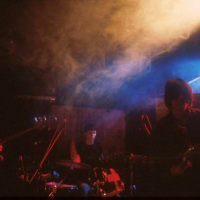
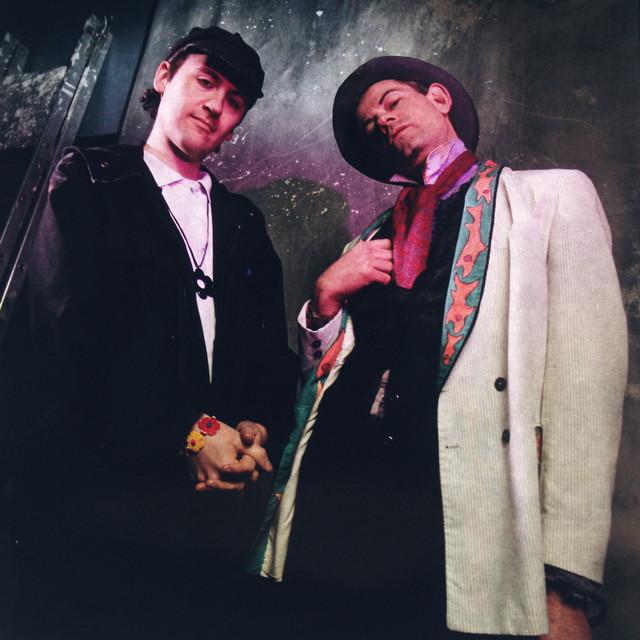
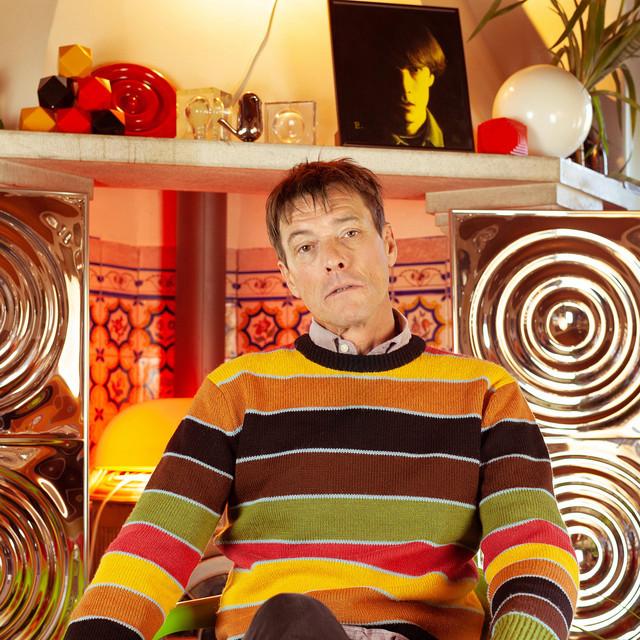
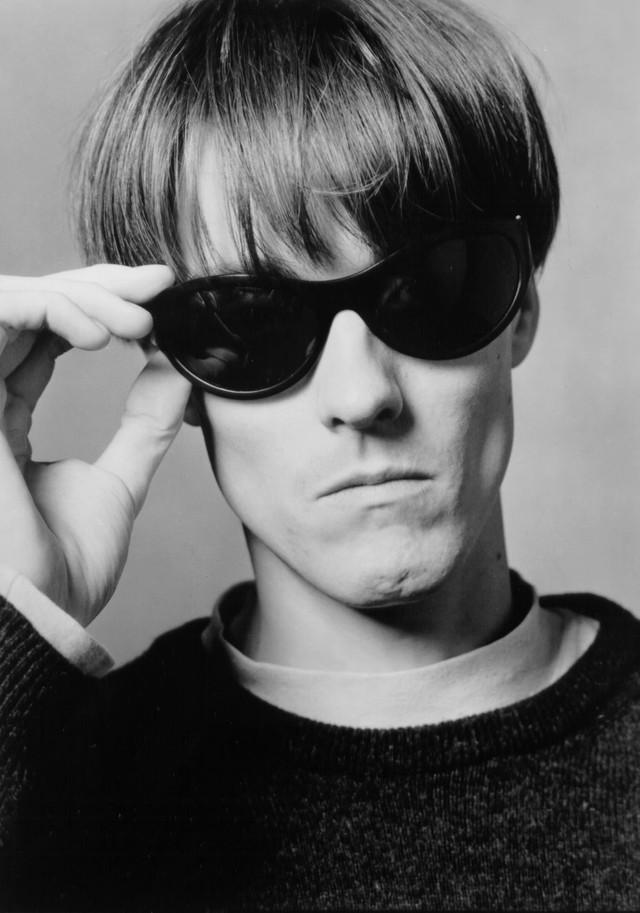
Spectrum’s Spotify BioSpectrum was the most high-profile and straightforward of the projects undertaken by Pete "Sonic Boom" Kember after the demise of the trance-rock avatars Spacemen 3. Because his work as a member of the Experimental Audio Research coterie allowed Kember the opportunity to explore ambient textures and tonal constructs, Spectrum satisfied the singer/guitarist's more conventional pop leanings, while never losing sight of the hypnotic otherworldliness which became his music's trademark and legacy. The name Spectrum initially appeared as the title of the first Sonic Boom solo album, released in 1990 before the breakup of Spacemen 3; a collection of ethereal, nearly formless songs, Spectrum openly acknowledged Kember's debt to Suicide with its cover of the duo's "Rock 'n' Roll Is Killing My Life." Meanwhile, the Kember half of the Spacemen 3 swan song Recurring, with its tighter, more structured songs (like the gentle wash of "Just to See You Smile"), offered an even stronger indication of… things to come.
After the breakup of Spacemen 3, Sonic formed Spectrum with guitarist Richard Formby and bassist Mike Stout, along with contributions from Pat Fish (aka the Jazz Butcher). After a series of singles, the band issued its debut, Soul Kiss (Glide Divine), a sprawling collection of tranquil, luminous retro-pop, in 1992. At the end of the year, Formby was replaced by former Darkside guitarist Kevin Cowan, and in 1993, the group released Indian Summer, an EP of covers. After Kember spent much of the next year working on Experimental Audio Noise Research projects, Spectrum -- now rounded out by guitarist Scott Riley, programmer Alf Hardy, and ex-Spacemen 3 bassist Pete Bassman -- released the 1994 LP Highs, Lows and Heavenly Blows, another narcotic collection which explored unique scales and compositional structures. Another layoff followed as Sonic Boom resumed work on his other projects, but in 1996 Spectrum teamed with the Seattle band Jessamine for a joint release titled A Pox on You; at the end of the year, they also issued an EP, Songs for Owlsey. The full-length Forever Alien appeared in 1997. A second collaboration with Jessamine as well as work with the Silver Apples followed.
Although Sonic Boom remained busy during the early 2000s, there were no full-fledged Spectrum releases until 2008, when Indian Giver appeared; it represented a collaboration with a prime influence: Memphis production legend Jim Dickinson. Spectrum occasionally performed live during this period, opening for the 2009 My Bloody Valentine tour and also appearing at 2011's All Tomorrow's Parties festival. The EP War Sucks appeared in 2009. ~ Jason Ankeny, Rovi
Viberate is a music analytics platform built for A&Rs, artist managers, labels, booking agents, marketers, and artists.
It helps music professionals track artist growth, analyze audience data, monitor playlist activity, compare artists, follow song performance, and identify opportunities across the music market.
Public artist pages provide a free preview of selected artist data. Paid plans provide access to deeper analytics, historical data, charts, comparisons, playlist tools, exports, alerts, reports, and additional professional features.
Yes. Public Viberate artist pages provide selected artist analytics and music data for free.
Viberate also offers a 7-day free trial of the full platform. A credit card is required to start the trial. The trial includes access to the complete product so users can test deeper artist analytics, historical views, playlist insights, comparisons, charts, exports, alerts, and reporting features before choosing a paid plan.
Viberate provides artist analytics across streaming, playlists, social media, video, radio airplay, songs, and audience markets.
Users can analyze Spotify performance, Spotify and Apple Music playlists, YouTube activity, TikTok and Instagram growth, radio spins, song performance, audience locations, demographics, rankings, and overall artist momentum.
Artist profiles also connect to music charts, similar artists, and comparison tools, helping users benchmark performance and evaluate artists in context.
Viberate updates key artist and track data daily.
For followed artists and tracks, selected data is refreshed multiple times per day. This helps teams monitor playlist changes, streaming movement, audience growth, releases, and campaign performance with more current data.
Update frequency can vary depending on the metric and data source.
Yes. Viberate lets users compare up to five artists side by side across streaming, social media, audience, and engagement metrics.
Users can compare fanbase growth, audience demographics, locations, Spotify performance, social metrics, and other artist data over selected time periods.
Artist comparison can be used for A&R scouting, benchmarking, booking decisions, campaign planning, and evaluating artists with similar audiences or market positions.