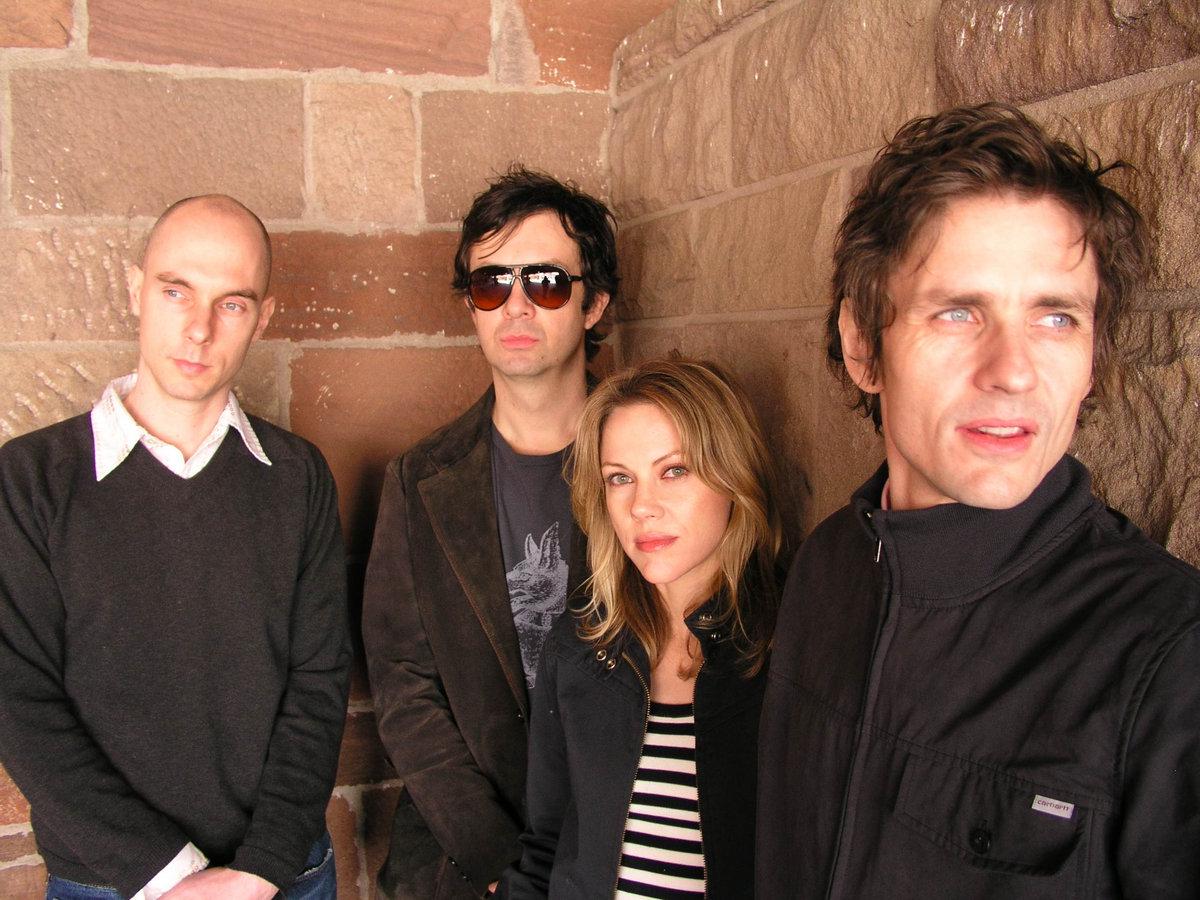
Galaxie 500

Rock
Indie Rock
Psychedelic Rock
Alternative Rock
 Viberate Rank: 66393
 Viberate Rank: 66393
 Monthly ListenersFollowers
 Subscribers
 Followers
 Followers
 FansTop Spotify Songs
| Track | 7-Day Streams | |
|---|---|---|
1 | 23.56K | |
2 | 21.41K | |
3 | 8.07K | |
4 | 7.95K | |
5 | 7.40K |
Top YouTube VideosMonthly ListenersFeatured in Playlists| Playlist | Followers | |
|---|---|---|
1 |  Shoegaze Classics Spotify | 708.15K |
2 |  Dreampop Classics Spotify | 659.82K |
3 |  slowcore Spotify | 212.04K |
4 |  Autumn vibes 2024 Ason Mouya's IDs | 114.49K |
5 |  Floss' Dreamy Bops florencegiven | 68.61K |
Audience| City | Monthly Listeners | |
|---|---|---|
1 | | 3.75K |
2 | | 3.47K |
3 |  | 3.22K |
4 | | 2.83K |
5 | | 2.79K |
See full performance history, audience data, playlist activity, rankings, comparisons, and more in Viberate music analytics. Start with a free trial, then continue with a paid plan.
Galaxie 500’s Spotify BioGalaxie 500 didn't last long. They formed in Boston, released three albums between 1988 and 1990, got great notices in the press, and then dissolved. Lead singer and guitarist Dean Wareham went on to Luna and the rhythm section of Damon Krukowski and Naomi Yang formed Damon & Naomi.
Today might be the best song-by-song album of Galaxie 500's three. Wareham's voice stays in a cracked upper register that can either be yearning or transcendent, and his guitar sustain seems to go on for days. Yang's bass playing, like that of Peter Hook, is the band's emotional center, and Krukowski's drums are as much about texture as they are about time-keeping. Rare is the band where three voices this distinctive come together to make a fourth, equally distinctive thing.
Everything about On Fire, from the iconic cover art (the sleeve, like all three of their records, was designed by Yang) to the just-under-mid-tempo beat that drives every song, comes together to support the whole. It feels immersive, the… rock album as ambient record, and it's the definitive slowcore statement.
This is Our Music has a few of Galaxie 500's best tunes and the richest production. But the live album, Copenhagen, turns out to be the ideal closing chapter. That small crowd is into it. They never made it big, but during their short run, Galaxie 500's often quiet and always beautifully rendered music had a profound impact on a few people, including this writer.
– excerpted from a Pitchfork review by Mark Richardson
Viberate is a music analytics platform built for A&Rs, artist managers, labels, booking agents, marketers, and artists.
It helps music professionals track artist growth, analyze audience data, monitor playlist activity, compare artists, follow song performance, and identify opportunities across the music market.
Public artist pages provide a free preview of selected artist data. Paid plans provide access to deeper analytics, historical data, charts, comparisons, playlist tools, exports, alerts, reports, and additional professional features.
Yes. Public Viberate artist pages provide selected artist analytics and music data for free.
Viberate also offers a 7-day free trial of the full platform. A credit card is required to start the trial. The trial includes access to the complete product so users can test deeper artist analytics, historical views, playlist insights, comparisons, charts, exports, alerts, and reporting features before choosing a paid plan.
Viberate provides artist analytics across streaming, playlists, social media, video, radio airplay, songs, and audience markets.
Users can analyze Spotify performance, Spotify and Apple Music playlists, YouTube activity, TikTok and Instagram growth, radio spins, song performance, audience locations, demographics, rankings, and overall artist momentum.
Artist profiles also connect to music charts, similar artists, and comparison tools, helping users benchmark performance and evaluate artists in context.
Viberate updates key artist and track data daily.
For followed artists and tracks, selected data is refreshed multiple times per day. This helps teams monitor playlist changes, streaming movement, audience growth, releases, and campaign performance with more current data.
Update frequency can vary depending on the metric and data source.
Yes. Viberate lets users compare up to five artists side by side across streaming, social media, audience, and engagement metrics.
Users can compare fanbase growth, audience demographics, locations, Spotify performance, social metrics, and other artist data over selected time periods.
Artist comparison can be used for A&R scouting, benchmarking, booking decisions, campaign planning, and evaluating artists with similar audiences or market positions.