Solstice

Metal
Death Metal
Thrash Metal
 Viberate Rank: 216932
 Viberate Rank: 216932
 Monthly ListenersFollowers
 Subscribers
 Followers
 Followers
 FansTop Spotify Songs
| Track | 7-Day Streams | |
|---|---|---|
1 | 781 | |
2 | 450 | |
3 | 295 | |
4 | 261 | |
5 | 197 |
Top YouTube VideosMonthly ListenersFeatured in Playlists| Playlist | Followers | |
|---|---|---|
1 |  Death Metal Classics @MansenSankari | 127.47K |
2 | Metal🤘🏻 Naydil González | 16.46K |
3 |  Death Metal Old School Stéphane Loisal | 12.90K |
4 | 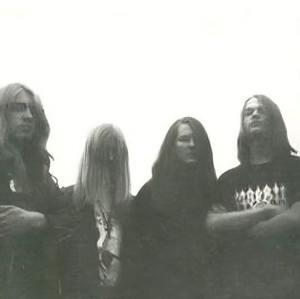 Old School Death Metal @MansenSankari | 11.01K |
5 | Thrash Metal Up Your Ass Germonio | 6.86K |
Audience| City | Monthly Listeners | |
|---|---|---|
1 |  | 92 |
2 |  | 55 |
3 | | 49 |
4 |  | 40 |
5 |  | 40 |
See full performance history, audience data, playlist activity, rankings, comparisons, and more in Viberate music analytics. Start with a free trial, then continue with a paid plan.
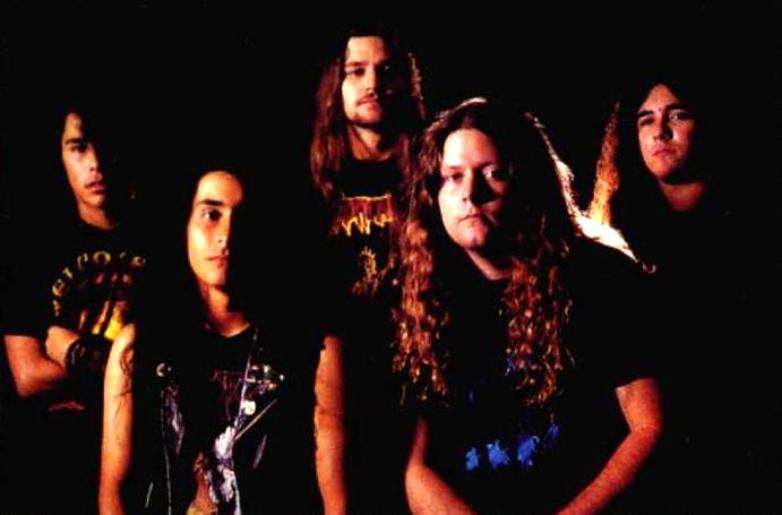
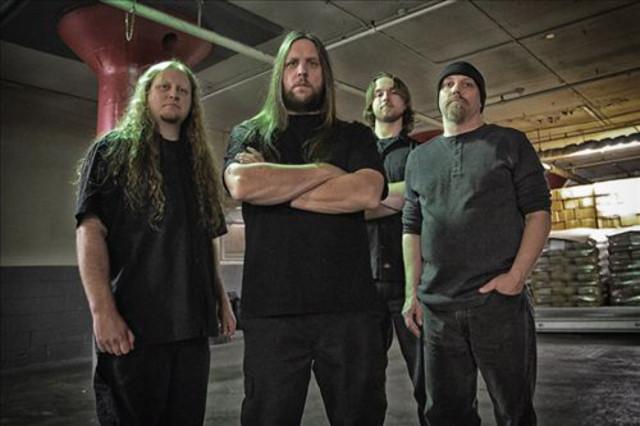
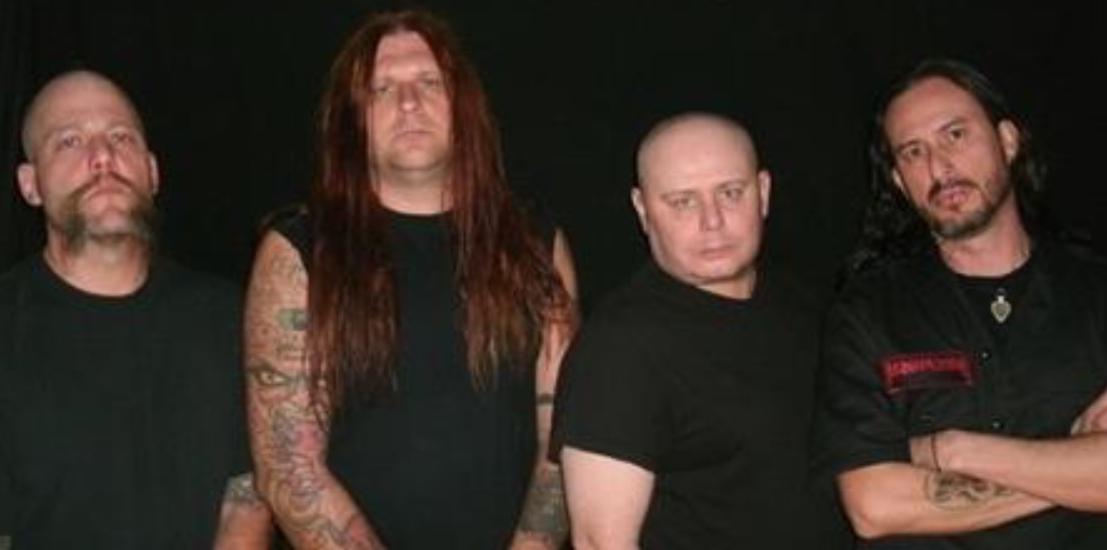
Solstice’s Spotify BioFew bands can claim to have forged the Florida death/thrash metal sound as SOLSTICE did. Back in the early 90’s, pivotal albums such as “Solstice” and “Pray” set the milestone for the local scene and for the whole style to look up to. Now, the Miami quartet is back, regrouped with the immense talent of new recruits Marcel Salas (Cyst) and Ryan Taylor (Malevolent Creation), and drop an album that, being faithful to the 90’s Solstice sound, is exactly the soundtrack to the state of the world today. “Casting The Die” is equal parts intensity and speed, technical ability, and sheer fury. And, for a band with ages ranging from 23 to 50, they present themselves as a tight unit.
Solstice was formed in 1990 by Rob Barrett, Alex Marquez, and Dennis Munoz in Miami, Florida. Soon after their first demo, the band signed to Steamhammer/SPV, the German label that released their first two albums. However, after Rob left to join Cannibal Corpse and with Alex increasingly busy with Malevolent Creation… and Demolition Hammer, the band went into a long hiatus. After a few hints to reunite, the third album finally saw the light of day in 2009. Now, powered with the new blood brought by Taylor and Marcel Salas, Solstice is back in full force, with an impressive display of power in the form of the fourth album, “Casting The Die”.
“Casting The Die” will be released by Emanzipation Productions, on April 23rd, 2021.
www.targetshop.dk/solstice
Viberate is a music analytics platform built for A&Rs, artist managers, labels, booking agents, marketers, and artists.
It helps music professionals track artist growth, analyze audience data, monitor playlist activity, compare artists, follow song performance, and identify opportunities across the music market.
Public artist pages provide a free preview of selected artist data. Paid plans provide access to deeper analytics, historical data, charts, comparisons, playlist tools, exports, alerts, reports, and additional professional features.
Yes. Public Viberate artist pages provide selected artist analytics and music data for free.
Viberate also offers a 7-day free trial of the full platform. A credit card is required to start the trial. The trial includes access to the complete product so users can test deeper artist analytics, historical views, playlist insights, comparisons, charts, exports, alerts, and reporting features before choosing a paid plan.
Viberate provides artist analytics across streaming, playlists, social media, video, radio airplay, songs, and audience markets.
Users can analyze Spotify performance, Spotify and Apple Music playlists, YouTube activity, TikTok and Instagram growth, radio spins, song performance, audience locations, demographics, rankings, and overall artist momentum.
Artist profiles also connect to music charts, similar artists, and comparison tools, helping users benchmark performance and evaluate artists in context.
Viberate updates key artist and track data daily.
For followed artists and tracks, selected data is refreshed multiple times per day. This helps teams monitor playlist changes, streaming movement, audience growth, releases, and campaign performance with more current data.
Update frequency can vary depending on the metric and data source.
Yes. Viberate lets users compare up to five artists side by side across streaming, social media, audience, and engagement metrics.
Users can compare fanbase growth, audience demographics, locations, Spotify performance, social metrics, and other artist data over selected time periods.
Artist comparison can be used for A&R scouting, benchmarking, booking decisions, campaign planning, and evaluating artists with similar audiences or market positions.