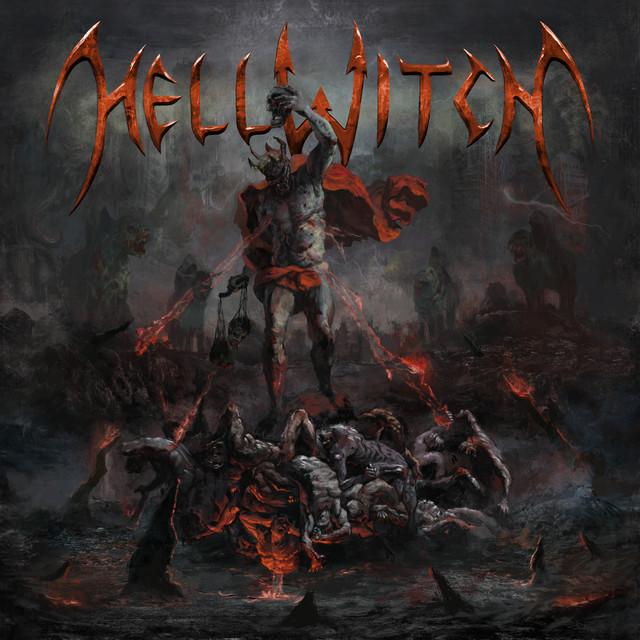
Hellwitch


Metal
Thrash Metal
Death Metal
 Viberate Rank: 284361
 Viberate Rank: 284361
 Monthly ListenersFollowers
 Subscribers
 Followers
 Followers
 FansTop Spotify Songs
| Track | 7-Day Streams | |
|---|---|---|
1 | 307 | |
2 | 144 | |
3 | 118 | |
4 | 74 | |
5 | 70 |
Top YouTube VideosMonthly ListenersFeatured in Playlists| Playlist | Followers | |
|---|---|---|
1 |  Death Metal Classics @MansenSankari | 127.47K |
2 |  FENRIZ METAL Gylve | 32.35K |
3 | Metal🤘🏻 Naydil González | 16.46K |
4 | Thrash Daniel Höld | 4.50K |
5 | Death Metal (80s & 90s) kburke138 | 3.20K |
Audience| City | Monthly Listeners | |
|---|---|---|
1 |  | 24 |
2 |  | 20 |
3 |  | 19 |
4 |  | 18 |
5 | | 16 |
See full performance history, audience data, playlist activity, rankings, comparisons, and more in Viberate music analytics. Start with a free trial, then continue with a paid plan.
Hellwitch’s Spotify BioHELLWITCH arose from the depths of HELL in October 1984. Formed by guitarist Patrick Ranieri and drummer/vocalist, Harry Tiyler. The project expanded into a full band set up in February of 1985 with the introduction of current PRECIPICE drummer Dave Silverthrash (Silverstein), replacing Tiyler, and Andy Adcock on bass/guitar. HELLWITCH shared the stage with such heavies as CORROSION OF CONFORMITY, G.B.H., CORONER, DARK ANGEL, KREATOR, DEICIDE, DEATH, MORBID ANGEL, ATHEIST, AGNOSTIC FRONT, D.R.I., ANTHRAX, NUCLEAR ASSAULT and many others.
October of 1989 brought about a contract with Wild Rags Rec. for the debut album 'Syzygial Miscreancy', recorded at the renown Morrisound Studios with veteran Thrash producer Scott Burns. In August of 1991 HELLWITCH entered Morrisound Studios once again to cut the three track EP 'Terraasymmetry' for Lethal Records.
2009 saw the release of their long awaited sophomore album 'Omnipotent Convocation'. With the existing line up from 2005’s ‘Epitome of… Disgrace’ promo. The second full length CD, 'Omnipotent Convocation' , came out in August 2009 on Xtreem Music. This album marked the second coming of HELLWITCH.
The release of the 30th Anniversary, 10-LP (!) box set on Germany's IRON BONEHEAD Records came in 2016. Currently, the release of the NEW HELLWITCH album on Listenable Records titled,"Annihilational Intercention" is slated for June 2023. The band will tour in June as well as do several festival appearances later in 2023!
Viberate is a music analytics platform built for A&Rs, artist managers, labels, booking agents, marketers, and artists.
It helps music professionals track artist growth, analyze audience data, monitor playlist activity, compare artists, follow song performance, and identify opportunities across the music market.
Public artist pages provide a free preview of selected artist data. Paid plans provide access to deeper analytics, historical data, charts, comparisons, playlist tools, exports, alerts, reports, and additional professional features.
Yes. Public Viberate artist pages provide selected artist analytics and music data for free.
Viberate also offers a 7-day free trial of the full platform. A credit card is required to start the trial. The trial includes access to the complete product so users can test deeper artist analytics, historical views, playlist insights, comparisons, charts, exports, alerts, and reporting features before choosing a paid plan.
Viberate provides artist analytics across streaming, playlists, social media, video, radio airplay, songs, and audience markets.
Users can analyze Spotify performance, Spotify and Apple Music playlists, YouTube activity, TikTok and Instagram growth, radio spins, song performance, audience locations, demographics, rankings, and overall artist momentum.
Artist profiles also connect to music charts, similar artists, and comparison tools, helping users benchmark performance and evaluate artists in context.
Viberate updates key artist and track data daily.
For followed artists and tracks, selected data is refreshed multiple times per day. This helps teams monitor playlist changes, streaming movement, audience growth, releases, and campaign performance with more current data.
Update frequency can vary depending on the metric and data source.
Yes. Viberate lets users compare up to five artists side by side across streaming, social media, audience, and engagement metrics.
Users can compare fanbase growth, audience demographics, locations, Spotify performance, social metrics, and other artist data over selected time periods.
Artist comparison can be used for A&R scouting, benchmarking, booking decisions, campaign planning, and evaluating artists with similar audiences or market positions.