Morta Skuld

Metal
Death Metal
 Viberate Rank: 174972
 Viberate Rank: 174972
 Monthly ListenersFollowers
 Subscribers
 Followers
 Followers
 FansTop Spotify Songs
| Track | 7-Day Streams | |
|---|---|---|
1 | 946 | |
2 | 621 | |
3 | 411 | |
4 | 282 | |
5 | 275 |
Top YouTube VideosMonthly ListenersFeatured in Playlists| Playlist | Followers | |
|---|---|---|
1 |  Death Metal Classics @MansenSankari | 127.47K |
2 | Metal🤘🏻 Naydil González | 16.46K |
3 |  Death Metal Old School Stéphane Loisal | 12.90K |
4 |  Old School Death Metal @MansenSankari | 11.01K |
5 |  Death Doom Metal DeathDoom_Metal | 6.36K |
Audience| City | Monthly Listeners | |
|---|---|---|
1 |  | 178 |
2 |  | 94 |
3 | | 85 |
4 |  | 77 |
5 | | 65 |
See full performance history, audience data, playlist activity, rankings, comparisons, and more in Viberate music analytics. Start with a free trial, then continue with a paid plan.
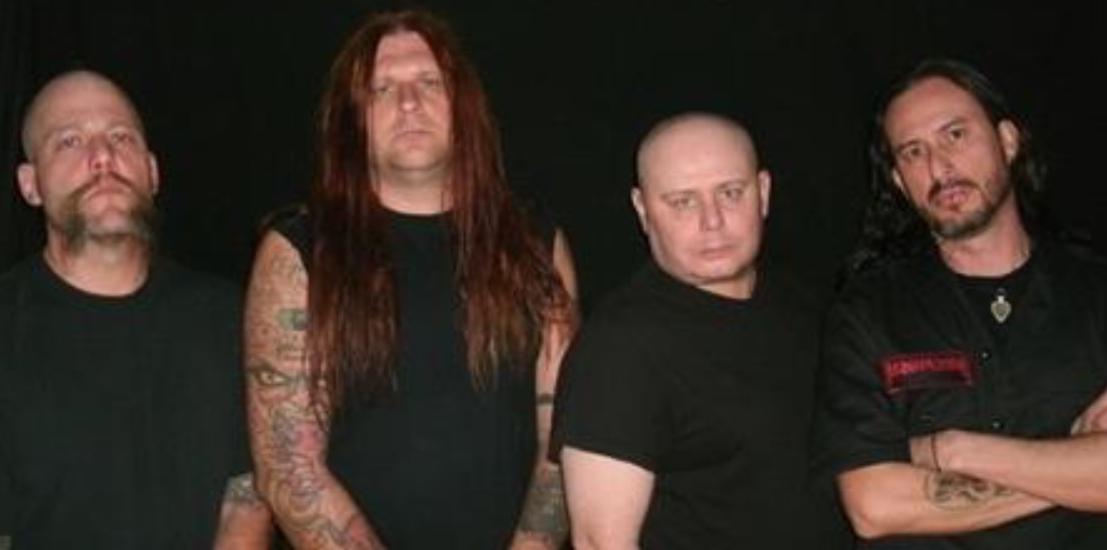
Morta Skuld’s Spotify BioEarly in their career, Milwaukee, Wisconsin's Morta Skuld accomplished the impressive feat of being signed by leading British independent metal label Peaceville, but with no company showing similar interest in their homeland, they never quite managed to ascend beyond the underground death metal scene. Originally founded in 1989, Morta Skuld recorded and circulated two separate demos (1990's Gory Departure and 1991's Prolong the Agony) before pairing up with Rhode Island's Vital Remains for a split single in 1993, which would duly get both bands signed to Peaceville. Morta Skuld struck first, however, unleashing their Dying Remains debut later that same year and heading out on tour with genre fixtures like Death, Obituary, and Deicide, then repeating the pattern with 1994's As Humanity Fades and 1995's For All Eternity, which were followed by more rigorous roadwork in support of Morbid Angel, Cannibal Corpse, and others.
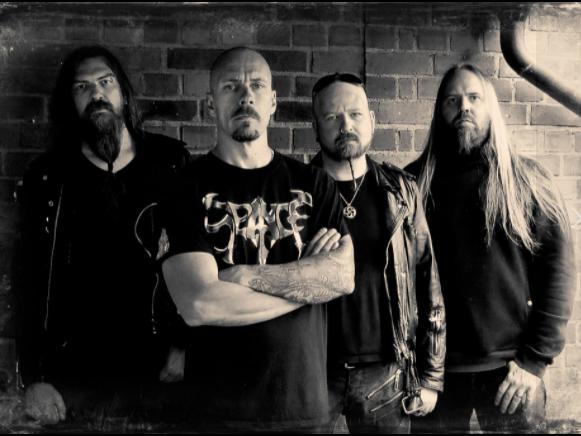
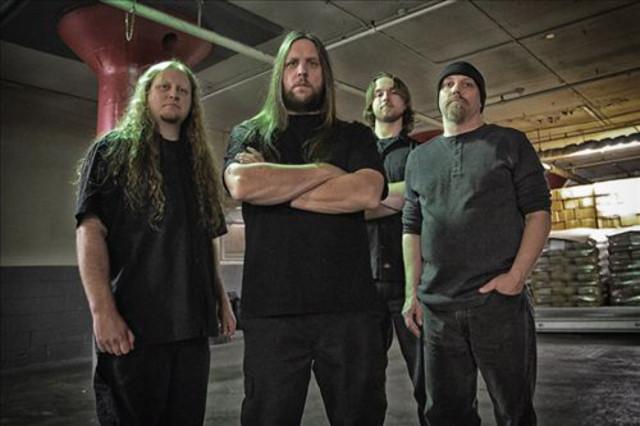
But, as mentioned earlier, none of these releases, though brimming… with ably performed American death metal, made it into record stores unless imported from overseas, and so Morta Skuld's frustrated members, Dave Gregor (vocals/guitar), Jason O'Connell (guitar), Jason Hellman (bass), and Kent Truckenbrod (drums), decided to link up with U.S.-based Pavement Records for the release of their fourth album, Surface, in 1998. Unfortunately, by then it was seemingly too late for the group, which was splitting at the seams. O'Connell was the first to bounce (or get bounced!), quickly followed by Truckenbrod, and after hiring a new drummer in former Acrophet man Jason Mooney, the new trio renamed itself MS2 and sold out to nu metal before morphing yet again into a more groove-metal-oriented direction as 9mm Solution, recording one EP and two albums in the late 2000s. The band's early career dreams were compiled for posterity by Peaceville in 2005's Re-Surface: The Best of Morta Skuld, and in 2017 Morta Skuld resurfaced with founding member David Gregor (guitars/vocals), guitarist Scott Willecke, drummer Eric House, and bassist Al Lewandowski, and released their first collection of new music since 1997, Wounds Deeper Than Time. ~ Eduardo Rivadavia, Rovi
Viberate is a music analytics platform built for A&Rs, artist managers, labels, booking agents, marketers, and artists.
It helps music professionals track artist growth, analyze audience data, monitor playlist activity, compare artists, follow song performance, and identify opportunities across the music market.
Public artist pages provide a free preview of selected artist data. Paid plans provide access to deeper analytics, historical data, charts, comparisons, playlist tools, exports, alerts, reports, and additional professional features.
Yes. Public Viberate artist pages provide selected artist analytics and music data for free.
Viberate also offers a 7-day free trial of the full platform. A credit card is required to start the trial. The trial includes access to the complete product so users can test deeper artist analytics, historical views, playlist insights, comparisons, charts, exports, alerts, and reporting features before choosing a paid plan.
Viberate provides artist analytics across streaming, playlists, social media, video, radio airplay, songs, and audience markets.
Users can analyze Spotify performance, Spotify and Apple Music playlists, YouTube activity, TikTok and Instagram growth, radio spins, song performance, audience locations, demographics, rankings, and overall artist momentum.
Artist profiles also connect to music charts, similar artists, and comparison tools, helping users benchmark performance and evaluate artists in context.
Viberate updates key artist and track data daily.
For followed artists and tracks, selected data is refreshed multiple times per day. This helps teams monitor playlist changes, streaming movement, audience growth, releases, and campaign performance with more current data.
Update frequency can vary depending on the metric and data source.
Yes. Viberate lets users compare up to five artists side by side across streaming, social media, audience, and engagement metrics.
Users can compare fanbase growth, audience demographics, locations, Spotify performance, social metrics, and other artist data over selected time periods.
Artist comparison can be used for A&R scouting, benchmarking, booking decisions, campaign planning, and evaluating artists with similar audiences or market positions.