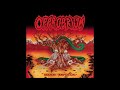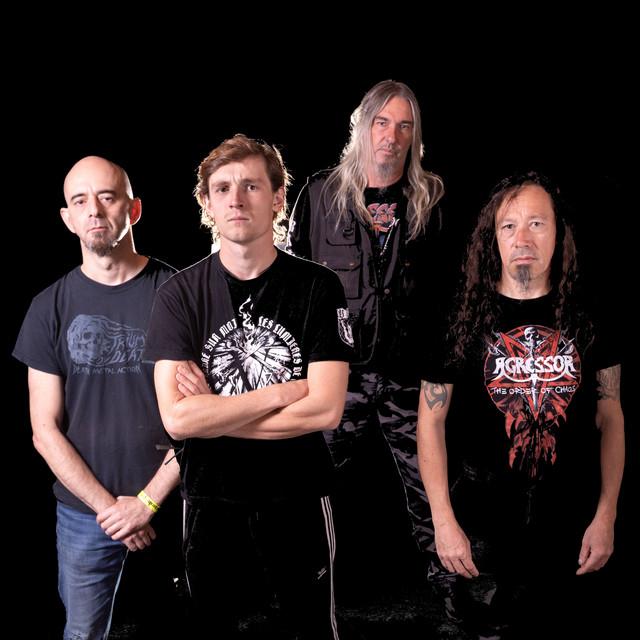
Opprobrium

Metal
Death Metal
Thrash Metal
 Viberate Rank: 198630
 Viberate Rank: 198630
 Monthly ListenersFollowers
 Subscribers
 Followers
 Followers
 FansTop Spotify Songs
| Track | 7-Day Streams | |
|---|---|---|
1 | 835 | |
2 | 520 | |
3 | 358 | |
4 | 304 | |
5 | 241 |
Top YouTube Videos| Video | 7-Day Views | |
|---|---|---|
1 | 194 | |
2 | 98 | |
3 | 88 | |
4 | 65 | |
5 | 57 |
Monthly ListenersFeatured in Playlists| Playlist | Followers | |
|---|---|---|
1 |  Death Metal Classics @MansenSankari | 127.47K |
2 | Metal🤘🏻 Naydil González | 16.46K |
3 | 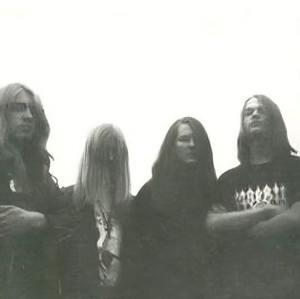 Old School Death Metal @MansenSankari | 11.01K |
4 | Death Metal (80s & 90s) kburke138 | 3.20K |
5 | DEATH METAL/GRINDCORE/BLACK METAL/DOOM DEATH ++ Tokes | 2.81K |
Audience| City | Monthly Listeners | |
|---|---|---|
1 |  | 142 |
2 |  | 79 |
3 |  | 74 |
4 |  | 65 |
5 | | 55 |
See full performance history, audience data, playlist activity, rankings, comparisons, and more in Viberate music analytics. Start with a free trial, then continue with a paid plan.
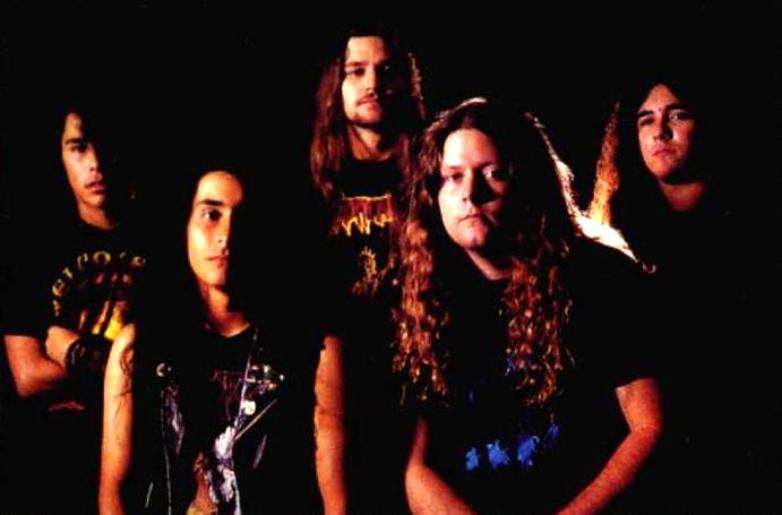
Opprobrium’s Spotify BioThough their first official release didn't appear until 2000, Opprobrium actually began life in 1986 as an extreme metal band formed by brothers Francis (guitar/vocals) and Moyses Howard (drums). Natives of Rio de Janeiro, the Howards emigrated to New Orleans and formed a band called Incubus (no relation to the '90s alt-metal outfit). The original incarnation featured bassist/lead vocalist Scot LaTour, and the trio's 1987 demo Supernatural Death landed them a deal with the small Brutal Records imprint. Their official debut, Serpent Temptation, was released in 1988; however, Latour departed soon afterward, leaving Francis to take over vocal duties. Incubus signed with Nuclear Blast in 1990 and soon released their follow-up Beyond the Unknown; recording with Francis on bass as well, Incubus eventually tabbed Mark Lavenia as the full-time bassist. But shortly thereafter, in 1991, Incubus disbanded. After quite a bit of time off, the Howard brothers decided to re-form the band in 1997 with… guitarist Luiz Carlos. Since a better-known Incubus had already laid claim to the name, the brothers rechristened their band Opprobrium. Although Carlos was officially in the lineup, he didn't have enough time to learn the band's new material before recording sessions began; plus, bassist Andre Luiz Oliveira didn't join until the album was completed, meaning that the band's 2000 comeback effort, Discerning Forces, was again the product of a two-piece. ~ Steve Huey, Rovi
Viberate is a music analytics platform built for A&Rs, artist managers, labels, booking agents, marketers, and artists.
It helps music professionals track artist growth, analyze audience data, monitor playlist activity, compare artists, follow song performance, and identify opportunities across the music market.
Public artist pages provide a free preview of selected artist data. Paid plans provide access to deeper analytics, historical data, charts, comparisons, playlist tools, exports, alerts, reports, and additional professional features.
Yes. Public Viberate artist pages provide selected artist analytics and music data for free.
Viberate also offers a 7-day free trial of the full platform. A credit card is required to start the trial. The trial includes access to the complete product so users can test deeper artist analytics, historical views, playlist insights, comparisons, charts, exports, alerts, and reporting features before choosing a paid plan.
Viberate provides artist analytics across streaming, playlists, social media, video, radio airplay, songs, and audience markets.
Users can analyze Spotify performance, Spotify and Apple Music playlists, YouTube activity, TikTok and Instagram growth, radio spins, song performance, audience locations, demographics, rankings, and overall artist momentum.
Artist profiles also connect to music charts, similar artists, and comparison tools, helping users benchmark performance and evaluate artists in context.
Viberate updates key artist and track data daily.
For followed artists and tracks, selected data is refreshed multiple times per day. This helps teams monitor playlist changes, streaming movement, audience growth, releases, and campaign performance with more current data.
Update frequency can vary depending on the metric and data source.
Yes. Viberate lets users compare up to five artists side by side across streaming, social media, audience, and engagement metrics.
Users can compare fanbase growth, audience demographics, locations, Spotify performance, social metrics, and other artist data over selected time periods.
Artist comparison can be used for A&R scouting, benchmarking, booking decisions, campaign planning, and evaluating artists with similar audiences or market positions.