Slovak Philharmonic
Classical
Orchestral
Chamber Music
 Viberate Rank: 57417
 Viberate Rank: 57417
 Monthly ListenersFollowers
 Subscribers
 Followers
 Followers
 FansTop Spotify Songs
| Track | 7-Day Streams | |
|---|---|---|
1 | 25.82K | |
2 | 23.75K | |
3 | 22.88K | |
4 | 13.91K | |
5 | 11.22K |
Top YouTube Videos| Video | 7-Day Views | |
|---|---|---|
1 | 90 | |
2 | 86 | |
3 | 48 | |
4 | 32 | |
5 | 22 |
Monthly ListenersFeatured in Playlists| Playlist | Followers | |
|---|---|---|
1 |  Classical Essentials Spotify | 3.82M |
2 |  Música Clásica Que Sí Es Clásica José Gonzales | 339.76K |
3 |  100 of the most famous classical music pieces 🎻 🎹 🎺 ILKER SATUR | 320.84K |
4 |  Classical Music bangers 🔥🔥 Carlijn | 241.42K |
5 |  study music that is actually motivating Study Mode Classics | 241.46K |
Audience| City | Monthly Listeners | |
|---|---|---|
1 |  | 25.93K |
2 |  | 16.79K |
3 |  | 16.07K |
4 |  | 14.99K |
5 |  | 13.89K |
See full performance history, audience data, playlist activity, rankings, comparisons, and more in Viberate music analytics. Start with a free trial, then continue with a paid plan.
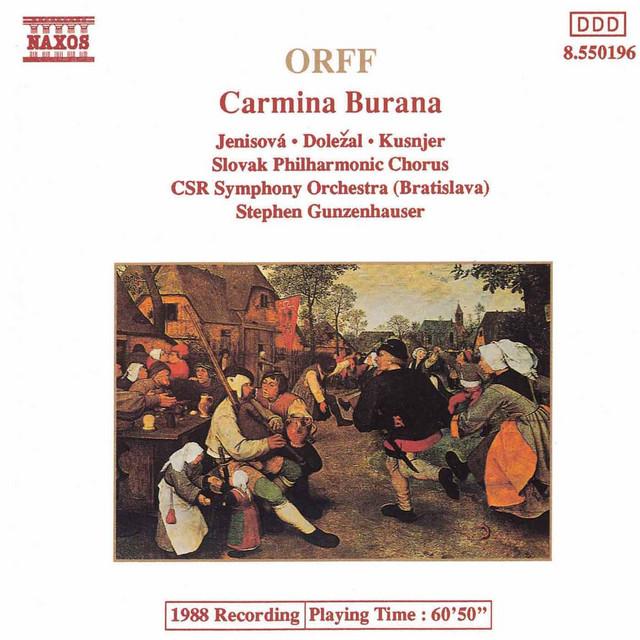
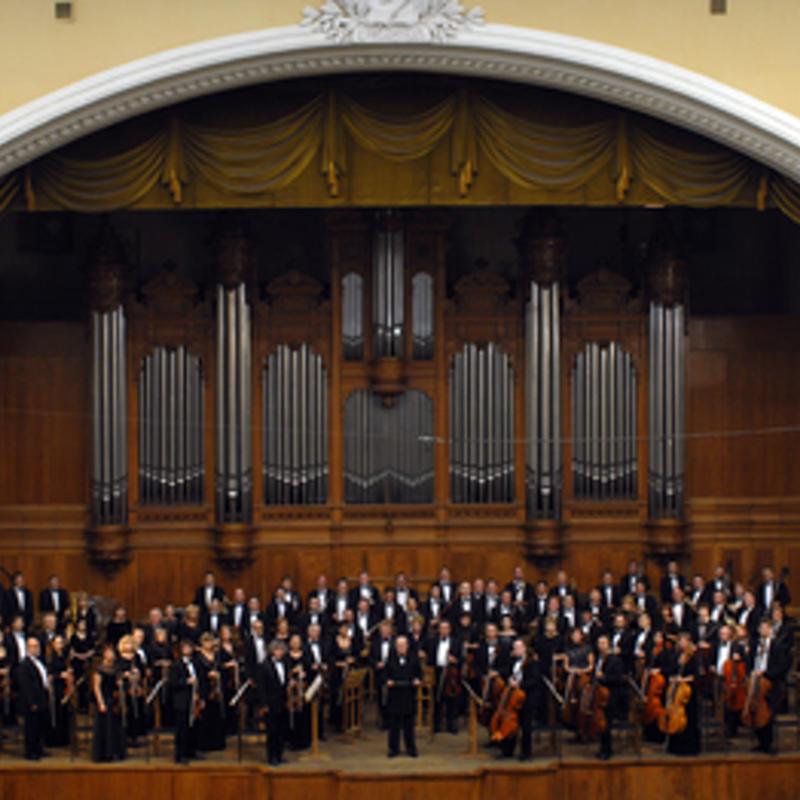
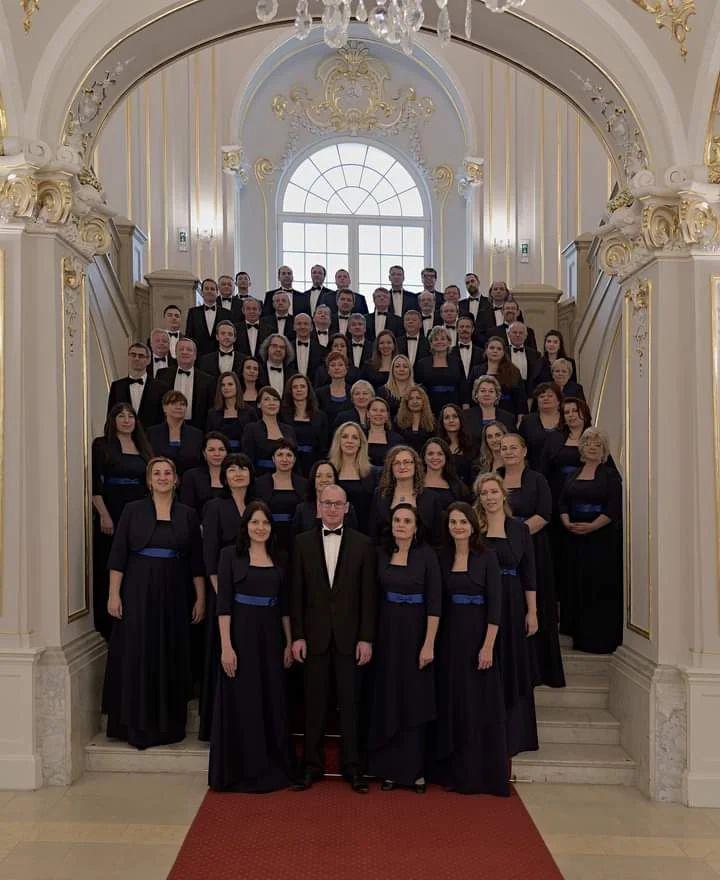
Slovak Philharmonic’s Spotify BioThe Slovak Philharmonic (in Slovak, Slovenská filharmónia) is one of the youngest among Europe's great symphonic ensembles, yet it has gained international renown in the 1990s and early 2000s. The orchestra has recorded extensively and has attracted top-notch international collaborators. The Slovak Philharmonic was founded in Bratislava, then part of Czechoslovakia, in 1949. Its first conductor, Vaclav Talich, and first music director, Ludovit Ratjer, were key figures in the orchestra's formation and emergence. In the 1950s, the orchestra began giving concerts in the handsome 1773 Reduta Bratislava concert hall, which has remained its home base. After Rajter stepped down as conductor in 1976, the orchestra had several other highly regarded conductors including Ladislav Slovak (until 1981), Libor Pesek, and, in 1990 and 1991, Aldo Ceccato, its first conductor from outside Czechoslovak lands. After Slovakia split peacefully from the Czech Republic in 1993, the Slovak Philharmonic went… from being a strong orchestra in a country with many of them to something of a national flagship, and it increasingly attracted foreign conductors and instrumental collaborators as guests. Among the former group have been Claudio Abbado, Sergiu Celibidache, and Mariss Jansons. The permanent conductorship, however, remained mostly in Slovak and Czech hands; the renowned Jiří Bělohlávek served a term in the 2003-2004 season. That changed with the appointment of France's Emmanuel Villaume in 2009; he remained in the job until 2016, when he was succeeded by Britain's James Judd, a former conductor of the New Zealand Symphony Orchestra and the founder of the Miami Music Project. The orchestra has also been led in recent years by its permanent guest conductors, Leos Svarovsky (until 2018), Rastislav Stur, and Petr Altrichter. The orchestra has a large collection of recordings, most of them on the Naxos, Zebralution, and Denon labels; on Naxos the group released a recording of symphonic poems from Bedřich Smetana's Swedish period.
Viberate is a music analytics platform built for A&Rs, artist managers, labels, booking agents, marketers, and artists.
It helps music professionals track artist growth, analyze audience data, monitor playlist activity, compare artists, follow song performance, and identify opportunities across the music market.
Public artist pages provide a free preview of selected artist data. Paid plans provide access to deeper analytics, historical data, charts, comparisons, playlist tools, exports, alerts, reports, and additional professional features.
Yes. Public Viberate artist pages provide selected artist analytics and music data for free.
Viberate also offers a 7-day free trial of the full platform. A credit card is required to start the trial. The trial includes access to the complete product so users can test deeper artist analytics, historical views, playlist insights, comparisons, charts, exports, alerts, and reporting features before choosing a paid plan.
Viberate provides artist analytics across streaming, playlists, social media, video, radio airplay, songs, and audience markets.
Users can analyze Spotify performance, Spotify and Apple Music playlists, YouTube activity, TikTok and Instagram growth, radio spins, song performance, audience locations, demographics, rankings, and overall artist momentum.
Artist profiles also connect to music charts, similar artists, and comparison tools, helping users benchmark performance and evaluate artists in context.
Viberate updates key artist and track data daily.
For followed artists and tracks, selected data is refreshed multiple times per day. This helps teams monitor playlist changes, streaming movement, audience growth, releases, and campaign performance with more current data.
Update frequency can vary depending on the metric and data source.
Yes. Viberate lets users compare up to five artists side by side across streaming, social media, audience, and engagement metrics.
Users can compare fanbase growth, audience demographics, locations, Spotify performance, social metrics, and other artist data over selected time periods.
Artist comparison can be used for A&R scouting, benchmarking, booking decisions, campaign planning, and evaluating artists with similar audiences or market positions.