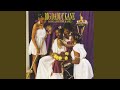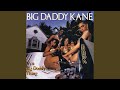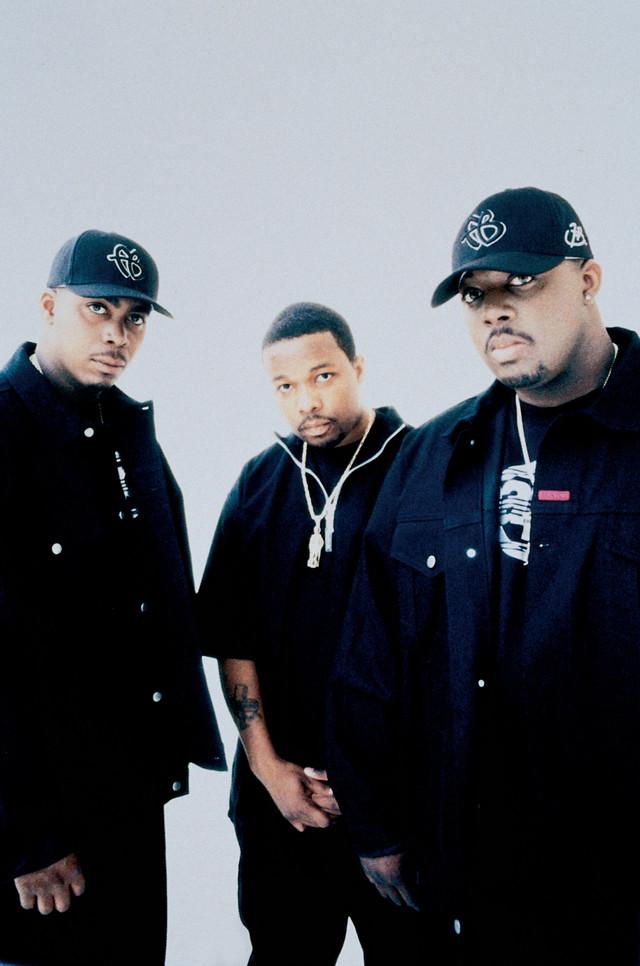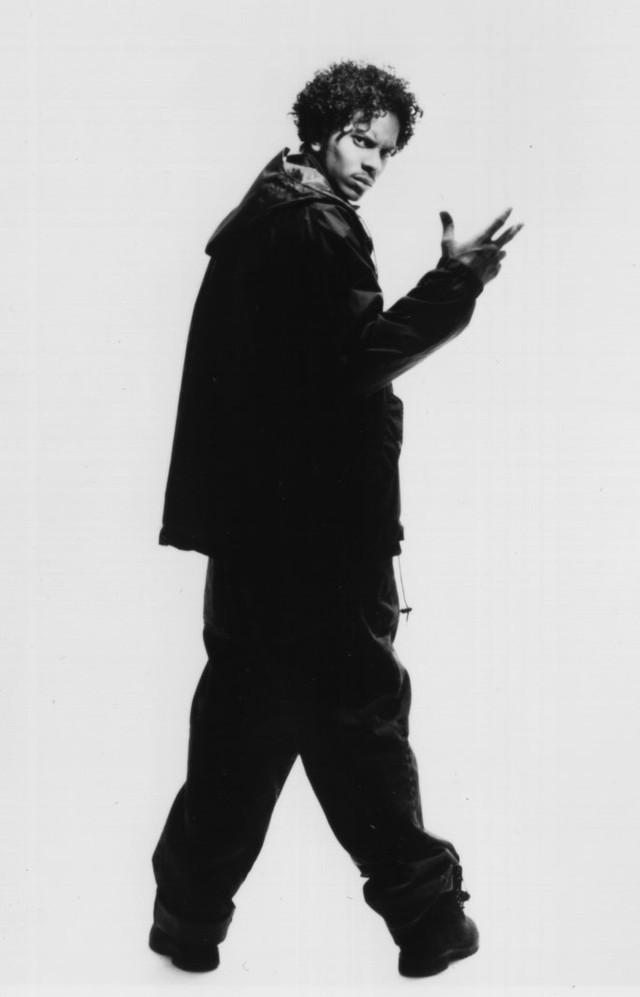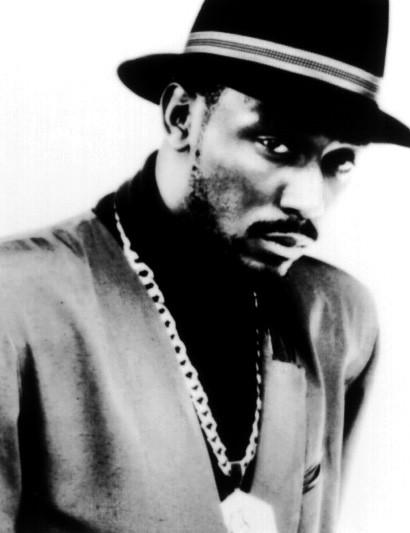
Big Daddy Kane

Hip Hop
Contemporary Hip Hop
 Viberate Rank: 15845
 Viberate Rank: 15845
 Monthly ListenersFollowers
 Subscribers
 Followers
 Followers
 FansTop Spotify Songs
| Track | 7-Day Streams | |
|---|---|---|
1 | 80.21K | |
2 | 66.02K | |
3 | 43.71K | |
4 | 31.04K | |
5 | 28.41K |
Top YouTube VideosMonthly ListenersFeatured in Playlists| Playlist | Followers | |
|---|---|---|
1 |  Old School Hip Hop Filtr Sweden | 779.30K |
2 |  90's Hip Hop Don't Stop Topsify US | 484.05K |
3 |  I Love My '80s Hip-Hop Spotify | 459.54K |
4 |  GTA San Andreas Radio Low Fidelity | 252.20K |
5 |  This Is Residente Spotify | 222.49K |
Audience| City | Monthly Listeners | |
|---|---|---|
1 |  | 9.00K |
2 | | 8.71K |
3 | | 8.08K |
4 |  | 7.13K |
5 |  | 6.15K |
See full performance history, audience data, playlist activity, rankings, comparisons, and more in Viberate music analytics. Start with a free trial, then continue with a paid plan.
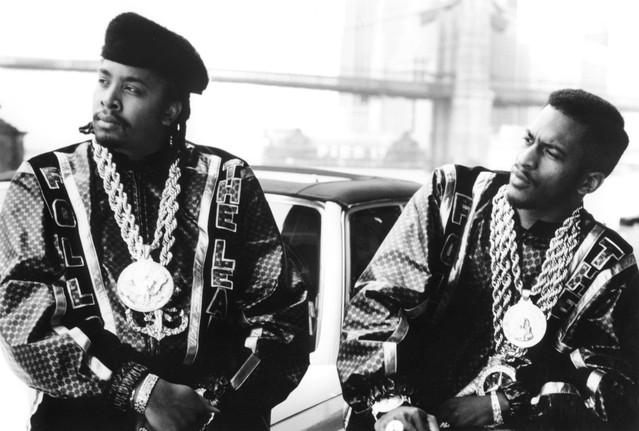
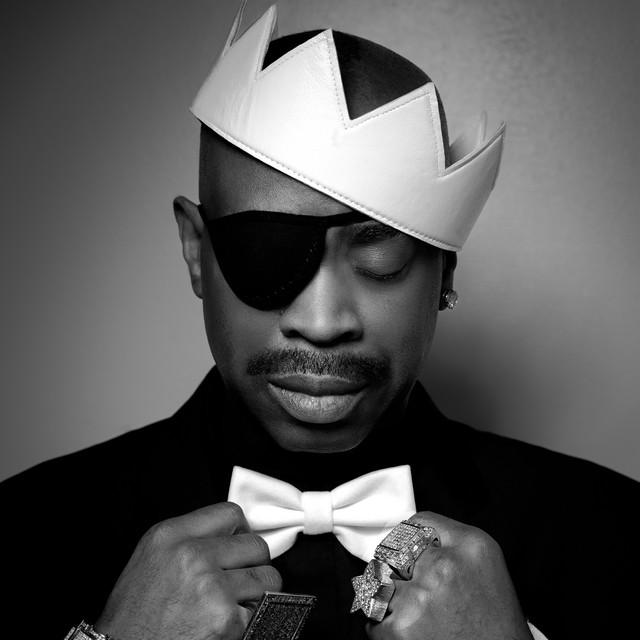
Big Daddy Kane’s Spotify BioEmerging during hip-hop's massive creative expansion of the late '80s, Big Daddy Kane was the ultimate lover man of rap's first decade, yet there was more to him than the stylish wardrobe, gold jewelry, and sophisticated charisma. Kane possessed a prodigious rhyming technique honed from numerous B-boy battles; he could also be an Afrocentric consciousness-raiser versed in the philosophy of the Nation of Islam's Five Percent school, or a smooth urban soul crooner whose singing was no match for his talents as an MC. While he never scored much pop-crossover success, his best material ranks among the finest hip-hop of its era, and his sex-drenched persona was enormously influential on countless future would-be players.
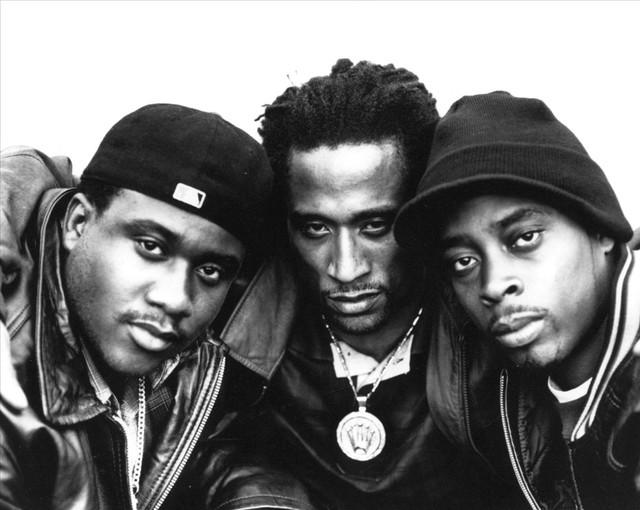
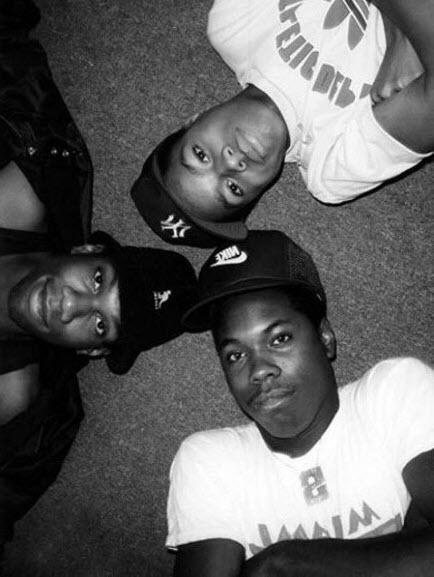
Big Daddy Kane was born Antonio Hardy in Brooklyn on September 10, 1968; the stage name "Kane" was an acronym for King Asiatic Nobody's Equal. In 1984, he met Biz Markie, and the two struck up a friendship. Kane would go on to co-write some of the Biz's best-known raps, and… both eventually became important members of the Queens-based Juice Crew, a collective headed by renowned producer Marley Marl. Kane signed with Marl's Cold Chillin' label in 1987 and debuted the following year with the 12" single "Raw," which became an underground sensation. His first album, Long Live the Kane, followed not long after and was equally well-received, producing another underground classic in "Ain't No Half-Steppin'." Kane consolidated his success with 1989's It's a Big Daddy Thing, which spawned arguably his most effective love-man song in "Smooth Operator" (and also found him working with new jack producer Teddy Riley on "I Get the Job Done"). 1990's A Taste of Chocolate was a wide-ranging effort, highlighted by Kane's duets with Barry White and comedian Rudy Ray Moore, aka Dolemite.
Kane's first major misstep came with the 1991 album Prince of Darkness, a mellower, more R&B-based collection that failed to play to the rapper's strong suits; however, he maintained his sex-symbol status by posing for Madonna's notorious 1992 photo book Sex, as well as Playgirl magazine. 1993's Looks Like a Job For... was something of an artistic comeback, but it failed to re-establish his status in the hip-hop community, which was in the midst of a Dr. Dre-inspired love affair with gangsta rap. Kane moved to the MCA label for 1994's Daddy's Home, and dabbled in an acting career with appearances in Mario Van Peebles' 1993 Black Western Posse and 1994's Gunmen. However, he largely retired from the scene over the next few years. Kane resurfaced in 1998 on Blackheart Records, releasing what was ostensibly his farewell album, Veteranz Day. ~ Steve Huey, Rovi
Viberate is a music analytics platform built for A&Rs, artist managers, labels, booking agents, marketers, and artists.
It helps music professionals track artist growth, analyze audience data, monitor playlist activity, compare artists, follow song performance, and identify opportunities across the music market.
Public artist pages provide a free preview of selected artist data. Paid plans provide access to deeper analytics, historical data, charts, comparisons, playlist tools, exports, alerts, reports, and additional professional features.
Yes. Public Viberate artist pages provide selected artist analytics and music data for free.
Viberate also offers a 7-day free trial of the full platform. A credit card is required to start the trial. The trial includes access to the complete product so users can test deeper artist analytics, historical views, playlist insights, comparisons, charts, exports, alerts, and reporting features before choosing a paid plan.
Viberate provides artist analytics across streaming, playlists, social media, video, radio airplay, songs, and audience markets.
Users can analyze Spotify performance, Spotify and Apple Music playlists, YouTube activity, TikTok and Instagram growth, radio spins, song performance, audience locations, demographics, rankings, and overall artist momentum.
Artist profiles also connect to music charts, similar artists, and comparison tools, helping users benchmark performance and evaluate artists in context.
Viberate updates key artist and track data daily.
For followed artists and tracks, selected data is refreshed multiple times per day. This helps teams monitor playlist changes, streaming movement, audience growth, releases, and campaign performance with more current data.
Update frequency can vary depending on the metric and data source.
Yes. Viberate lets users compare up to five artists side by side across streaming, social media, audience, and engagement metrics.
Users can compare fanbase growth, audience demographics, locations, Spotify performance, social metrics, and other artist data over selected time periods.
Artist comparison can be used for A&R scouting, benchmarking, booking decisions, campaign planning, and evaluating artists with similar audiences or market positions.