Geto boys

Hip Hop
Contemporary Hip Hop
 Viberate Rank: 16800
 Viberate Rank: 16800
 Monthly ListenersFollowers
 Subscribers
 Followers
 Followers
 FansTop Spotify Songs
| Track | 7-Day Streams | |
|---|---|---|
1 | 536.36K | |
2 | 135.56K | |
3 | 106.32K | |
4 | 53.72K | |
5 | 29.62K |
Top YouTube Videos| Video | 7-Day Views | |
|---|---|---|
1 | 4.83K | |
2 | 3.94K | |
3 | 865 | |
4 | 126 | |
5 | 78 |
Monthly ListenersFeatured in Playlists| Playlist | Followers | |
|---|---|---|
1 |  Old School Hip Hop Filtr Sweden | 779.30K |
2 |  90's Hip Hop Don't Stop Topsify US | 484.05K |
3 |  90’s Bangers chris_topher_ | 368.60K |
4 |  Raw & Uncut Spotify | 334.48K |
5 |  90s Rap | 90s Hiphop | Old School Hip Hop House Party! Anish Mammen | 252.87K |
Audience| City | Monthly Listeners | |
|---|---|---|
1 | | 36.11K |
2 | | 30.06K |
3 | | 28.03K |
4 | | 26.18K |
5 | | 20.79K |
See full performance history, audience data, playlist activity, rankings, comparisons, and more in Viberate music analytics. Start with a free trial, then continue with a paid plan.
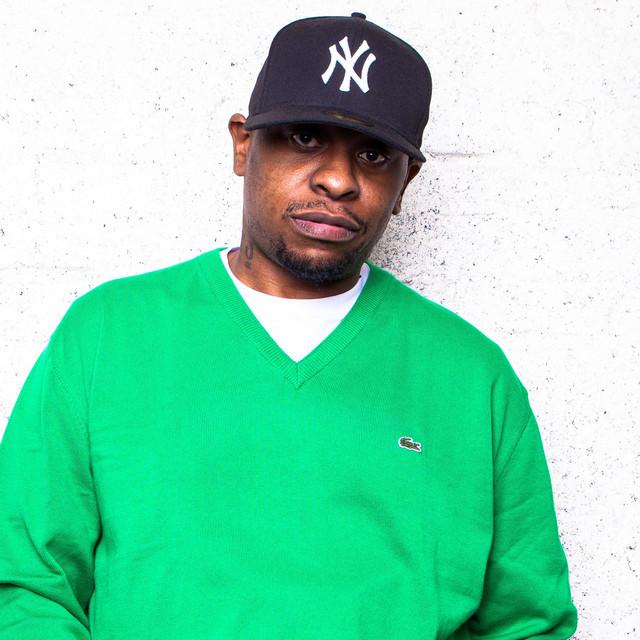
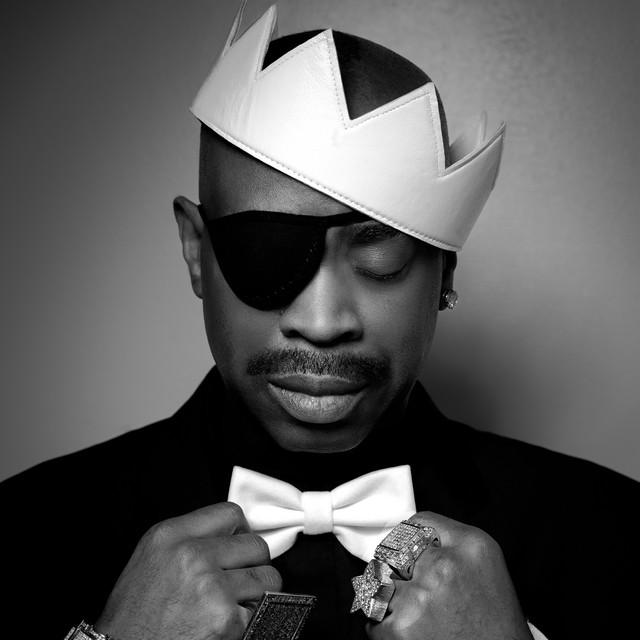
Geto boys’ Spotify BioThough the controversial subject matter of gangsta rap wasn't much of a barrier to popular success during the '90s, the Geto Boys' recordings proved almost too extreme for widespread exposure. Blocked from distributing their 1990 major-label debut by Geffen -- who insisted that a track dealing with necrophilia as well as murder was a step too far -- the group was saved by producer Rick Rubin, who arranged another distributor for the album, released on his own Def American label. The controversy, which occurred two years earlier than similar censorship incidents involving Ice-T and 2 Live Crew, gave the Geto Boys a large amount of publicity. Their follow-up, We Can't Be Stopped, eventually hit platinum, though the trio of Scarface, Willie D., and Bushwick Bill began to fracture by 1993. After releasing solo albums during the mid-'90s, the Geto Boys reunited in 1996 for their most praised album yet, The Resurrection.
When the Geto Boys came together in 1986, though, it was with a… completely different lineup. Formed as the Ghetto Boys in Houston by rap entrepreneur James "Lil' J" Smith (and signed to his Rap-A-Lot label), the group originally consisted of Prince Johnny C., the Slim Jukebox, and DJ Ready Red. During 1987-1988, both Johnny C. and the Jukebox quit, forcing Smith to add a dwarf-dancer-turned-rapper named Bushwick Bill (born Richard Shaw, Jamaica) and two Rap-A-Lot solo acts: Ackshen (aka Scarface born Brad Jordan, Houston) and Willie 'D' Dennis (born Houston).
After the Geto Boys' Grip It! On That Other Level caught the ear of hip-hop impresario Rick Rubin (LL Cool J, Beastie Boys), Rubin remixed and re-recorded tracks from the album. He was ready to release it on his Def American label in 1990 when distributor Geffen balked at "Mind of a Lunatic," a track that described necrophilia with a murder victim. By late 1990, Rubin had found another distributor, Giant Records, and the album was released -- as The Geto Boys -- that same year.
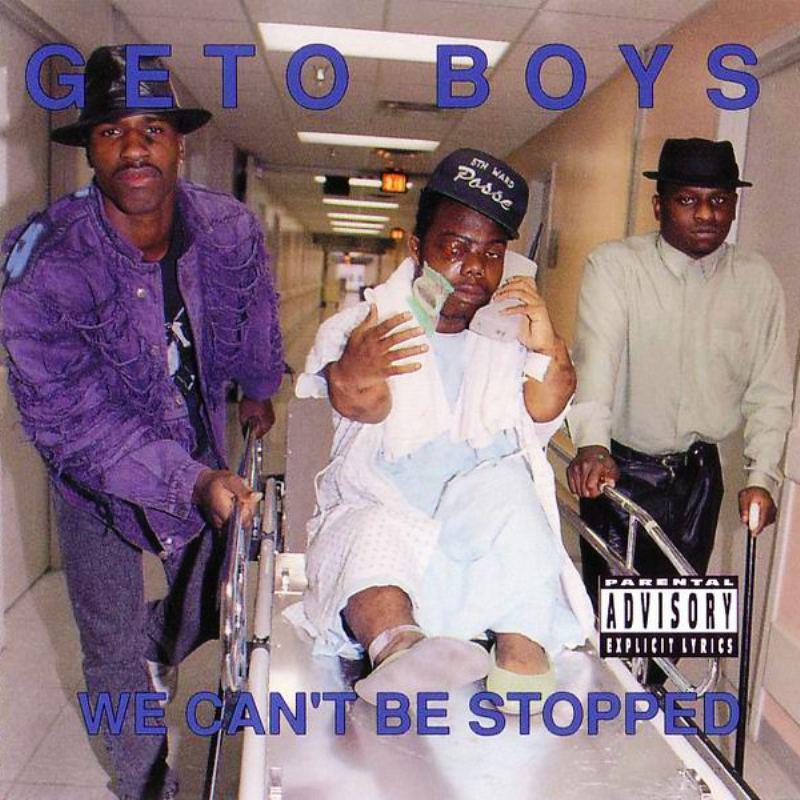
The Geto Boys' association with controversy was far from over, though; rap groups were a hot topic for moral-minded politicians during the early '90s, and several leaders used the Geto Boys as an example to decry the state of modern music. The fires were fanned in 1991 with the release of the group's second proper LP, We Can't Be Stopped. Before the release of the album, Bushwick Bill had lost an eye in a shooting incident with his girlfriend, and the cover featured Willie D. and Scarface wheeling Bill into an emergency room, with a prominent shot of the damaged eye. Inside the album, proceedings were among the most extreme in the history of recorded music. Obviously, radio airplay was non-existent, but We Can't Be Stopped still went platinum in early 1992 -- thanks to the Top Ten R&B single "Mind Playing Tricks on Me," one of the most effective inner-city vignettes in hip-hop history.
By 1993, all three members had begun solo careers, though Willie D. was the only one completely separated from the band, citing artistic differences. Scarface and Bill continued with new member Big Mike, releasing Till Death Do Us Part in 1993, but split late in 1994. Just one year later, Willie D. returned to the fold for another Geto Boys release, The Resurrection, which showed the group in fine form. Now it was Bushwick Bill's turn to leave the group. DMG took his place for 1998's Da Good, Da Bad & Da Ugly but returned for the group's 2005 reunion album, The Foundation. ~ John Bush, Rovi
Viberate is a music analytics platform built for A&Rs, artist managers, labels, booking agents, marketers, and artists.
It helps music professionals track artist growth, analyze audience data, monitor playlist activity, compare artists, follow song performance, and identify opportunities across the music market.
Public artist pages provide a free preview of selected artist data. Paid plans provide access to deeper analytics, historical data, charts, comparisons, playlist tools, exports, alerts, reports, and additional professional features.
Yes. Public Viberate artist pages provide selected artist analytics and music data for free.
Viberate also offers a 7-day free trial of the full platform. A credit card is required to start the trial. The trial includes access to the complete product so users can test deeper artist analytics, historical views, playlist insights, comparisons, charts, exports, alerts, and reporting features before choosing a paid plan.
Viberate provides artist analytics across streaming, playlists, social media, video, radio airplay, songs, and audience markets.
Users can analyze Spotify performance, Spotify and Apple Music playlists, YouTube activity, TikTok and Instagram growth, radio spins, song performance, audience locations, demographics, rankings, and overall artist momentum.
Artist profiles also connect to music charts, similar artists, and comparison tools, helping users benchmark performance and evaluate artists in context.
Viberate updates key artist and track data daily.
For followed artists and tracks, selected data is refreshed multiple times per day. This helps teams monitor playlist changes, streaming movement, audience growth, releases, and campaign performance with more current data.
Update frequency can vary depending on the metric and data source.
Yes. Viberate lets users compare up to five artists side by side across streaming, social media, audience, and engagement metrics.
Users can compare fanbase growth, audience demographics, locations, Spotify performance, social metrics, and other artist data over selected time periods.
Artist comparison can be used for A&R scouting, benchmarking, booking decisions, campaign planning, and evaluating artists with similar audiences or market positions.