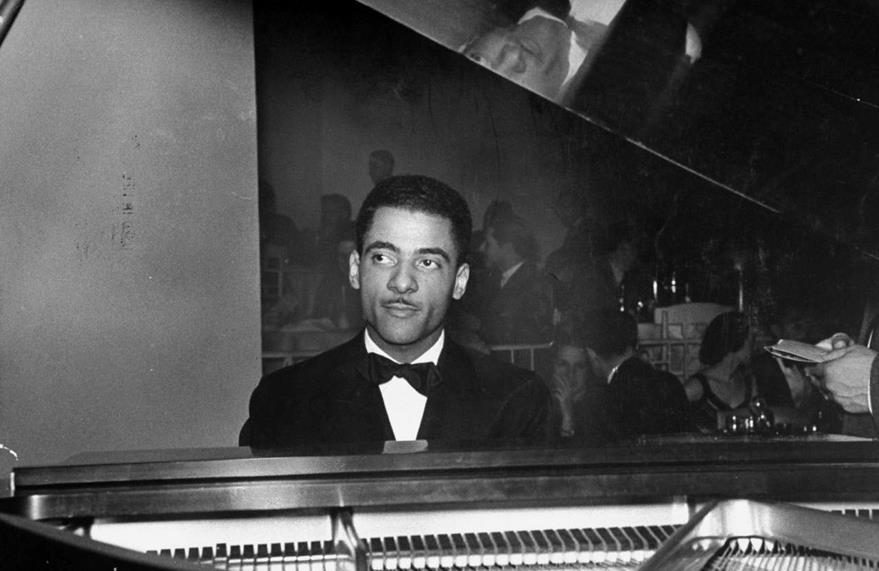
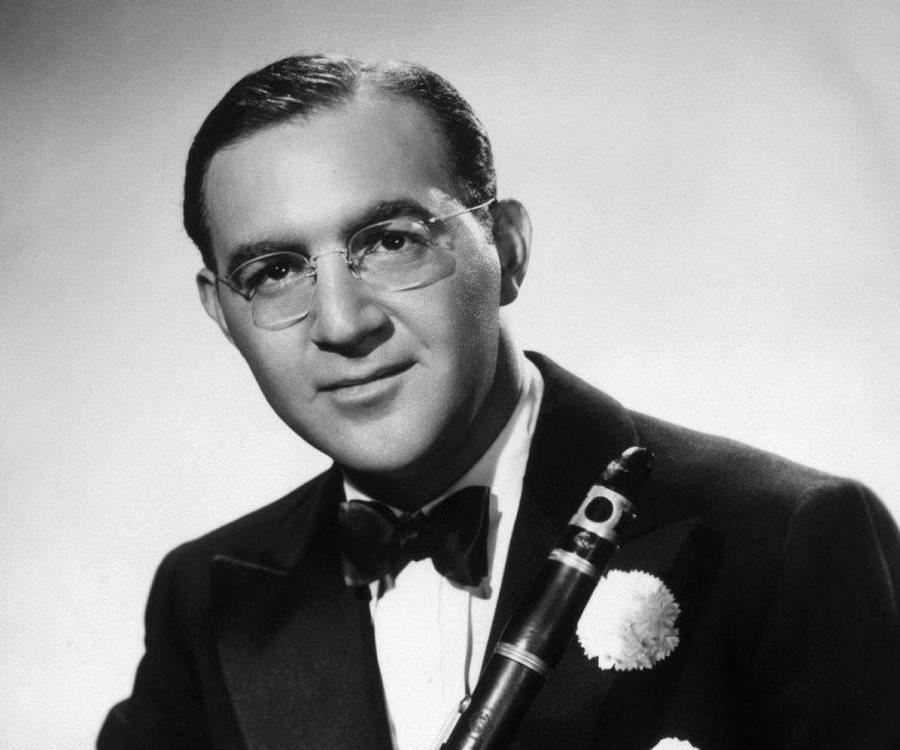
Sidney Bechet

Jazz
Big band Jazz
Smooth Jazz
 Viberate Rank: 47895
 Viberate Rank: 47895
 Monthly ListenersFollowers
 Subscribers
 Followers
 Followers
 FansTop Spotify Songs
| Track | 7-Day Streams | |
|---|---|---|
1 | 67.34K | |
2 | 36.15K | |
3 | 26.82K | |
4 | 22.96K | |
5 | 18.30K |
Top YouTube Videos| Video | 7-Day Views | |
|---|---|---|
1 | 2.30K | |
2 | 358 | |
3 | 332 | |
4 | 179 | |
5 | 172 |
Monthly ListenersFeatured in Playlists| Playlist | Followers | |
|---|---|---|
1 |  66 GREENE _BY.ALEXANDER | 396.42K |
2 |  Soul, Jazz and Blues Albatross__Music | 221.55K |
3 |  Just Jazz Spotify | 173.76K |
4 |  In the Mood for Jazz Spotify | 144.46K |
5 | Vintage French Music Kyan Nademi | 142.61K |
Audience| City | Monthly Listeners | |
|---|---|---|
1 |  | 6.47K |
2 |  | 5.82K |
3 |  | 5.49K |
4 | | 5.13K |
5 |  | 4.61K |
See full performance history, audience data, playlist activity, rankings, comparisons, and more in Viberate music analytics. Start with a free trial, then continue with a paid plan.
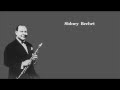
Sidney Bechet’s Spotify BioSidney Bechet was the first important jazz soloist on records in history (beating Louis Armstrong by a few months). A brilliant soprano saxophonist and clarinetist with a wide vibrato that listeners either loved or hated, Bechet's style did not evolve much through the years but he never lost his enthusiasm or creativity. A master at both individual and collective improvisation within the genre of New Orleans jazz, Bechet was such a dominant player that trumpeters found it very difficult to play with him. Bechet wanted to play lead and it was up to the other horns to stay out of his way.
Sidney Bechet studied clarinet in New Orleans with Lorenzo Tio, Big Eye Louis Nelson, and George Baquet and he developed so quickly that as a child he was playing with some of the top bands in the city. He even taught clarinet, and one of his students (Jimmie Noone) was actually two years older than him. In 1917, he traveled to Chicago, and in 1919 he joined Will Marion Cook's orchestra, touring Europe… with Cook and receiving a remarkably perceptive review from Ernst Ansermet. While overseas he found a soprano sax in a store and from then on it was his main instrument. Back in the U.S., Bechet made his recording debut in 1923 with Clarence Williams and during the next two years he appeared on records backing blues singers, interacting with Louis Armstrong and playing some stunning solos. He was with Duke Ellington's early orchestra for a period and at one point hired a young Johnny Hodges for his own band. However, from 1925-1929 Bechet was overseas, traveling as far as Russia but getting in trouble (and spending jail time) in France before being deported.
Most of the 1930s were comparatively lean times for Bechet. He worked with Noble Sissle on and off and had a brilliant session with his New Orleans Feetwarmers in 1932 (featuring trumpeter Tommy Ladnier). But he also ran a tailor's shop which was more notable for its jam sessions than for any money it might make. However, in 1938 he had a hit recording of "Summertime," Hugues Panassie featured Bechet on some records and soon he was signed to Bluebird where he recorded quite a few classics during the next three years. Bechet worked regularly in New York, appeared on some of Eddie Condon's Town Hall concerts, and in 1945 he tried unsuccessfully to have a band with the veteran trumpeter Bunk Johnson (whose constant drinking killed the project). Jobs began to dry up about this time, and Bechet opened up what he hoped would be a music school. He only had one main pupil, but Bob Wilber became his protégé.
Sidney Bechet's fortunes changed drastically in 1949. He was invited to the Salle Pleyel Jazz Festival in Paris, caused a sensation, and decided to move permanently overseas. Within a couple years he was a major celebrity and a national hero in France, even though the general public in the U.S. never did know who he was. Bechet's last decade was filled with exciting concerts, many recordings, and infrequent visits back to the U.S. before his death from cancer. His colorful (if sometimes fanciful) memoirs Treat It Gentle and John Chilton's magnificent Bechet biography The Wizard of Jazz (which traces his life nearly week-by-week) are both highly recommended. Many of Sidney Bechet's recordings are currently available on CD. ~ Scott Yanow, Rovi
Viberate is a music analytics platform built for A&Rs, artist managers, labels, booking agents, marketers, and artists.
It helps music professionals track artist growth, analyze audience data, monitor playlist activity, compare artists, follow song performance, and identify opportunities across the music market.
Public artist pages provide a free preview of selected artist data. Paid plans provide access to deeper analytics, historical data, charts, comparisons, playlist tools, exports, alerts, reports, and additional professional features.
Yes. Public Viberate artist pages provide selected artist analytics and music data for free.
Viberate also offers a 7-day free trial of the full platform. A credit card is required to start the trial. The trial includes access to the complete product so users can test deeper artist analytics, historical views, playlist insights, comparisons, charts, exports, alerts, and reporting features before choosing a paid plan.
Viberate provides artist analytics across streaming, playlists, social media, video, radio airplay, songs, and audience markets.
Users can analyze Spotify performance, Spotify and Apple Music playlists, YouTube activity, TikTok and Instagram growth, radio spins, song performance, audience locations, demographics, rankings, and overall artist momentum.
Artist profiles also connect to music charts, similar artists, and comparison tools, helping users benchmark performance and evaluate artists in context.
Viberate updates key artist and track data daily.
For followed artists and tracks, selected data is refreshed multiple times per day. This helps teams monitor playlist changes, streaming movement, audience growth, releases, and campaign performance with more current data.
Update frequency can vary depending on the metric and data source.
Yes. Viberate lets users compare up to five artists side by side across streaming, social media, audience, and engagement metrics.
Users can compare fanbase growth, audience demographics, locations, Spotify performance, social metrics, and other artist data over selected time periods.
Artist comparison can be used for A&R scouting, benchmarking, booking decisions, campaign planning, and evaluating artists with similar audiences or market positions.