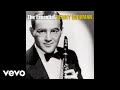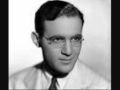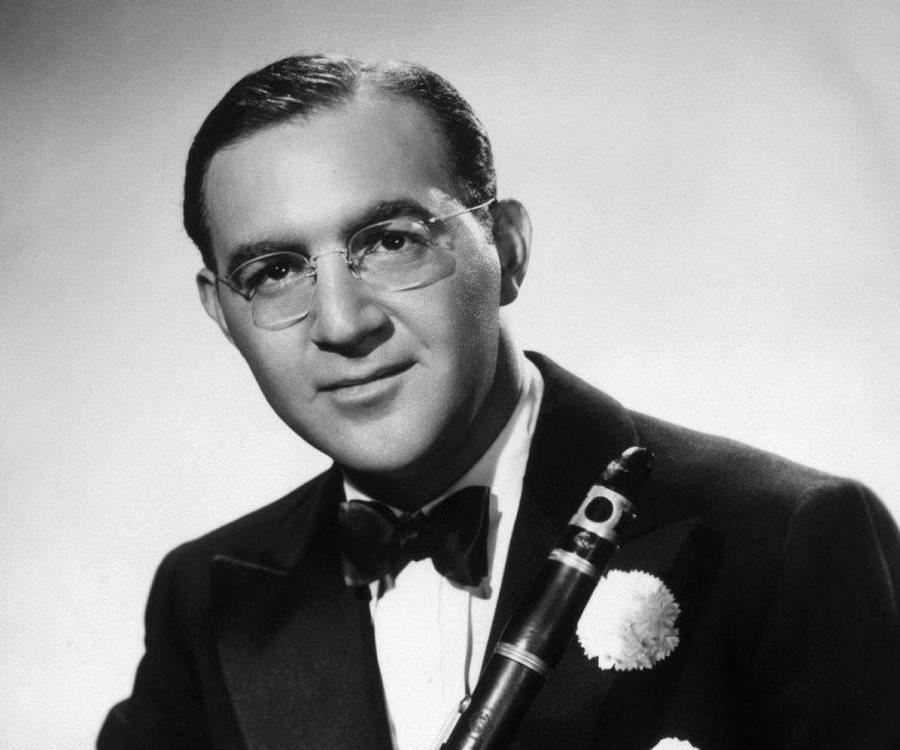
Benny Goodman

Jazz
Swing
Big band Jazz
 Viberate Rank: 22752
 Viberate Rank: 22752
 Monthly ListenersFollowers
 Subscribers
 Followers
 Followers
 FansTop Spotify Songs
| Track | 7-Day Streams | |
|---|---|---|
1 | 107.30K | |
2 | 107.14K | |
3 | 65.10K | |
4 | 61.71K | |
5 | 49.37K |
Top YouTube VideosMonthly ListenersFeatured in Playlists| Playlist | Followers | |
|---|---|---|
1 |  Classical Moments in Movies Spotify | 445.79K |
2 |  Just Jazz Spotify | 173.67K |
3 |  In the Mood for Jazz Spotify | 144.39K |
4 |  Jazz Guitar Classics Spotify | 135.25K |
5 |  Sunny Day Jazz Spotify | 134.10K |
Audience| City | Monthly Listeners | |
|---|---|---|
1 |  | 12.88K |
2 |  | 12.38K |
3 | | 12.03K |
4 | | 11.78K |
5 | | 10.57K |
See full performance history, audience data, playlist activity, rankings, comparisons, and more in Viberate music analytics. Start with a free trial, then continue with a paid plan.
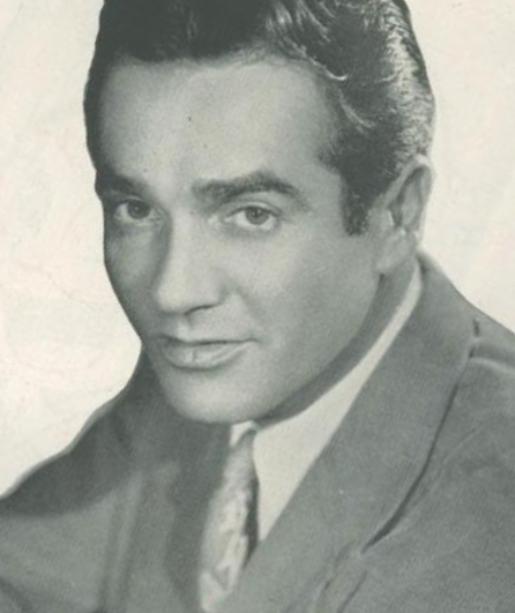
Benny Goodman’s Spotify BioDubbed "The King of Swing," Benny Goodman was the first celebrated bandleader of the Swing Era. He was an accomplished clarinetist whose distinctive playing gave an identity both to his big band and to the smaller units he led simultaneously. The most popular figure of the first few years of the Swing Era in the 1930s, he continued to perform until his death 50 years later.
Goodman was the son of Russian immigrants David Goodman, a tailor, and Dora Rezinsky Goodman. He first began taking clarinet lessons at ten at a synagogue, after which he joined the band at Hull House, a settlement home. He made his professional debut at 12 and dropped out of high school at 14 to become a musician. At 16, in August 1925, he joined the Ben Pollack band, with which he made his first released band recordings in December 1926. His first recordings under his own name were made in January 1928. At 20, in September 1929, he left Pollack to settle in New York and work as a freelance musician, working at… recording sessions, radio dates, and in the pit bands of Broadway musicals. He also made recordings under his own name with pickup bands, first reaching the charts with "He's Not Worth Your Tears" (vocal by Scrappy Lambert) on Melotone Records in January 1931. He signed to Columbia Records in the later half of 1933 and reached the Top Ten in early 1934 with "Ain't Cha Glad?" (vocal by Jack Teagarden), "Riffin' the Scotch" (vocal by Billie Holiday), and "Ol' Pappy" (vocal by Mildred Bailey), and in the spring with "I Ain't Lazy, I'm Just Dreamin'" (vocal by Jack Teagarden).
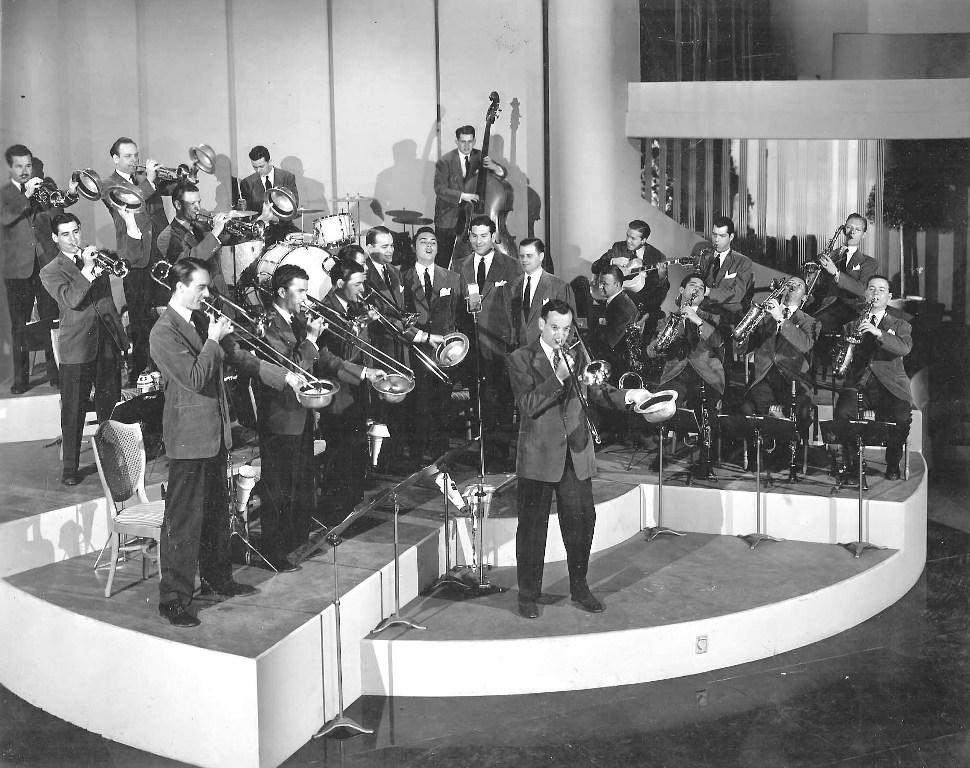
These record successes and an offer to perform at Billy Rose's Music Hall inspired Goodman to organize a permanent performing orchestra, which gave its first performance on June 1, 1934. His instrumental recording of "Moon Glow" hit number one in July, and he scored two more Top Ten hits in the fall with the instrumentals "Take My Word" and "Bugle Call Rag." After a four-and-a-half-month stay at the Music Hall, he was signed for the Saturday night Let's Dance program on NBC radio, playing the last hour of the three-hour show. During the six months he spent on the show, he scored another six Top Ten hits on Columbia, then switched to RCA Victor, for which he recorded five more Top Ten hits by the end of the year.
After leaving Let's Dance, Goodman undertook a national tour in mid-1935. It was not particularly successful until he reached the West Coast, where his segment of Let's Dance had been heard three hours earlier than on the East Coast. His performance at the Palomar Ballroom near Los Angeles on August 21, 1935, was a spectacular success, remembered as the date on which the Swing Era began. He moved on to a six-month residency at the Congress Hotel in Chicago, beginning in November. He scored 15 Top Ten hits in 1936, including the chart-toppers "It's Been So Long," "Goody-Goody," "The Glory of Love," "These Foolish Things Remind Me of You," and "You Turned the Tables on Me" (all vocals by Helen Ward). He became the host of the radio series The Camel Caravan, which ran until the end of 1939, and in October 1936, the orchestra made its film debut in The Big Broadcast of 1937. The same month, Goodman began a residency at the Pennsylvania Hotel in New York.
Goodman's next number one hit, in February 1937, featured Ella Fitzgerald on vocals and was the band's first hit with new trumpeter Harry James. It was also the first of six Top Ten hits during the year, including the chart-topping "This Year's Kisses" (vocal by Margaret McCrae). In December, the band appeared in another film, Hollywood Hotel. The peak of Goodman's renown in the 1930s came on January 16, 1938, when he performed a concert at Carnegie Hall, but he went on to score 14 Top Ten hits during the year, among them the number ones "Don't Be That Way" (an instrumental) and "I Let a Song Go out of My Heart" (vocal by Martha Tilton), as well as the thrilling instrumental "Sing, Sing, Sing (With a Swing)," which later was inducted into the Grammy Hall of Fame.
By 1939, Goodman had lost such major instrumentalists as Gene Krupa and Harry James, who left to found their own bands, and he faced significant competition from newly emerged bandleaders such as Artie Shaw and Glenn Miller. But he still managed to score eight Top Ten hits during the year, including the chart-topper "And the Angels Sing" (vocal by Martha Tilton), another inductee to the Grammy Hall of Fame. He returned to Columbia Records in the fall. In November, he appeared in the Broadway musical Swingin' the Dream, leading a sextet. The show was short-lived, but it provided him with the song "Darn That Dream" (vocal by Mildred Bailey), which hit number one for him in March 1940. It was the first of only three Top Ten hits he scored in 1940, his progress slowed by illness; in July he disbanded temporarily and underwent surgery for a slipped disk, not reorganizing until October. He scored two Top Ten hits in 1941, one of which was the chart-topper "There'll Be Some Changes Made" (vocal by Louise Tobin), and he returned to radio with his own show. Among his three Top Ten hits in 1942 were the number ones "Somebody Else Is Taking My Place" (vocal by Peggy Lee) and the instrumental "Jersey Bounce." He also appeared in the film Syncopation, released in May.
American entry into World War II and the onset of the recording ban called by the American Federation of Musicians in August 1942 made things difficult for all performers. Goodman managed to score a couple of Top Ten hits, including the number one "Taking a Chance on Love" (vocal by Helen Forrest), in 1943, drawn from material recorded before the start of the ban. And he used his free time to work in films, appearing in three during the year: The Powers Girl (January), Stage Door Canteen (July), and The Gang's All Here (December).
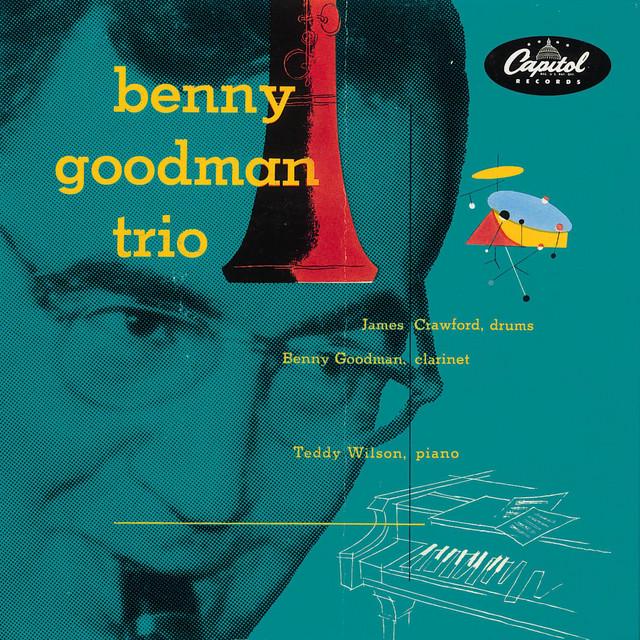
Goodman disbanded his orchestra in March 1944. He appeared in the film Sweet and Low-Down in September and played with a quintet in the Broadway revue Seven Lively Arts, which opened December 7 and ran 182 performances. Meanwhile, the musicians union strike was settled, freeing him to go back into the recording studio. In April 1945, his compilation album Hot Jazz reached the Top Ten on the newly instituted album charts. He reorganized his big band and scored three Top Ten hits during the year, among them "Gotta Be This or That" (vocal by Benny Goodman), which just missed hitting number one. "Symphony" (vocal by Liza Morrow) also came close to hitting number one in early 1946, and Benny Goodman Sextet Session did hit number one on the album charts in May 1946. Goodman hosted a radio series with Victor Borge in 1946 and 1947, and he continued to record, switching to Capitol Records. He appeared in the film A Song Is Born in October 1948 and meanwhile experimented with bebop in his big band. But in December 1949, they disbanded again, though he continued to organize groups on a temporary basis for tours and recording sessions.
If popular music had largely passed Goodman by as of 1950, his audience was not tired of listening to his vintage music. He discovered a recording that had been made of his 1938 Carnegie Hall concert, and Columbia Records released it in November 1950 as Carnegie Hall Jazz Concert, Vols. 1 & 2. It spent a year in the charts, becoming the best-selling jazz album ever up to that time, and was later inducted into the Grammy Hall of Fame. A follow-up album of airchecks, Benny Goodman 1937-1938: Jazz Concert No. 2, hit number one in December 1952. The rise of the high fidelity 12" LP led Goodman to re-record his hits for the Capitol album B.G. in Hi-Fi, which reached the Top Ten in March 1955. A year later, he had another Top Ten album of re-recordings with the soundtrack album for his film biography, The Benny Goodman Story, in which he was portrayed by Steve Allen but dubbed in his own playing.
After a tour of the Far East in 1956 and 1957, Goodman increasingly performed overseas. His 1962 tour of the U.S.S.R. resulted in the chart album Benny Goodman in Moscow. In 1963, RCA Victor staged a studio reunion of the Benny Goodman Quartet of the 1930s, featuring Goodman, Gene Krupa, Teddy Wilson, and Lionel Hampton. The result was the 1964 chart album Together Again! Goodman recorded less frequently in his later years, though he reached the charts in 1971 with Benny Goodman Today, recorded live in Stockholm. His last album to be released before his death from a heart attack at 77 was Let's Dance, a television soundtrack, which earned a Grammy nomination for Best Jazz Instrumental Performance, Big Band.
Goodman's lengthy career and his popular success especially in the 1930s and '40s has resulted in an enormous catalog. His major recordings are on Columbia and RCA Victor, but Music Masters has put out a series of archival recordings from his personal collection, and many small labels have issued airchecks. The recordings continue to demonstrate Goodman's remarkable talents as an instrumentalist and as a bandleader. ~ William Ruhlmann, Rovi
Viberate is a music analytics platform built for A&Rs, artist managers, labels, booking agents, marketers, and artists.
It helps music professionals track artist growth, analyze audience data, monitor playlist activity, compare artists, follow song performance, and identify opportunities across the music market.
Public artist pages provide a free preview of selected artist data. Paid plans provide access to deeper analytics, historical data, charts, comparisons, playlist tools, exports, alerts, reports, and additional professional features.
Yes. Public Viberate artist pages provide selected artist analytics and music data for free.
Viberate also offers a 7-day free trial of the full platform. A credit card is required to start the trial. The trial includes access to the complete product so users can test deeper artist analytics, historical views, playlist insights, comparisons, charts, exports, alerts, and reporting features before choosing a paid plan.
Viberate provides artist analytics across streaming, playlists, social media, video, radio airplay, songs, and audience markets.
Users can analyze Spotify performance, Spotify and Apple Music playlists, YouTube activity, TikTok and Instagram growth, radio spins, song performance, audience locations, demographics, rankings, and overall artist momentum.
Artist profiles also connect to music charts, similar artists, and comparison tools, helping users benchmark performance and evaluate artists in context.
Viberate updates key artist and track data daily.
For followed artists and tracks, selected data is refreshed multiple times per day. This helps teams monitor playlist changes, streaming movement, audience growth, releases, and campaign performance with more current data.
Update frequency can vary depending on the metric and data source.
Yes. Viberate lets users compare up to five artists side by side across streaming, social media, audience, and engagement metrics.
Users can compare fanbase growth, audience demographics, locations, Spotify performance, social metrics, and other artist data over selected time periods.
Artist comparison can be used for A&R scouting, benchmarking, booking decisions, campaign planning, and evaluating artists with similar audiences or market positions.