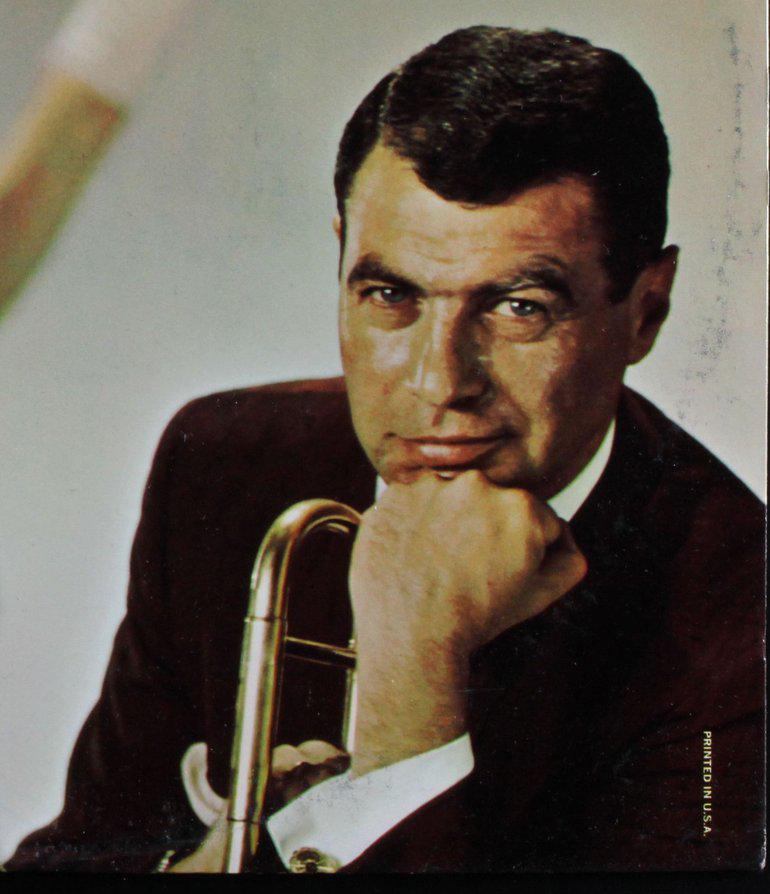
Si Zentner

Jazz
Big band Jazz
Swing
 Viberate Rank: 243238
 Viberate Rank: 243238
 Monthly ListenersFollowers
 Subscribers
 Followers
 Followers
 FansTop Spotify Songs
| Track | 7-Day Streams | |
|---|---|---|
1 | 4.46K | |
2 | 2.95K | |
3 | 1.77K | |
4 | 1.69K | |
5 | 1.67K |
Top YouTube VideosMonthly ListenersFeatured in Playlists| Playlist | Followers | |
|---|---|---|
1 |  Jazz Soundtracks Spotify | 197.28K |
2 |  aperol spritz Bliss Lundgren | 127.06K |
3 |  The Sound of Everything The Sounds of Spotify | 53.82K |
4 | Swing Dance Ivan Zdravkov | 25.88K |
5 |  Ultra Lounge - The Ultra Collection! Todd Gums | 15.12K |
Audience| City | Monthly Listeners | |
|---|---|---|
1 | | 332 |
2 | | 286 |
3 |  | 274 |
4 |  | 247 |
5 | | 241 |
See full performance history, audience data, playlist activity, rankings, comparisons, and more in Viberate music analytics. Start with a free trial, then continue with a paid plan.
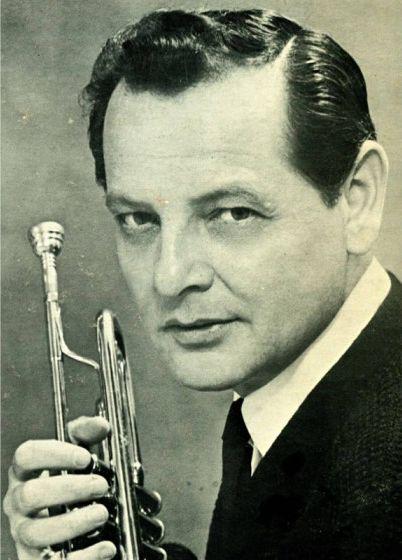
Si Zentner’s Spotify BioWhile big bands seemed to be fading fast during the late '50s and early '60s, bandleader Si Zentner was one of the few to front a successful big band -- enjoying both critical and commercial acclaim. Born Simon H. Zentner on June 13, 1917 in New York City, the future bandleader picked up a violin at the age of four before switching over to trombone, and earned a music college scholarship. Originally studying to be a classical musician, Zentner became interested in more commercial styles of music after lending his skills to a recording session with composer/bandleader Andre Kostelanetz. Throughout the '40s, Zentner learned the tricks of the trade by playing in bands led by such notables as Les Brown, Harry James, and Jimmy Dorsey.
Zentner then relocated to Los Angeles, where he worked regularly as a studio musician -- and from 1949 through 1955, was on the MGM staff (working on such hit movies as Singing in the Rain and A Star Is Born). But Zentner's desire to front his own big band… peaked at this time. Signing a recording contract with Liberty Records in 1959, Zentner assembled a large swing outfit, and toured steadily (he once claimed that his band played 178 consecutive one-night stands). While several popular releases came out around this time (1959's Thinking Man's Band, 1960s Suddenly It's Swing, 1963's Waltz in Jazz Time), Zentner's band won a staggering 13 straight Downbeat polls for 'Best Big Band,' as Zentner himself was recognized as 'Best Trombonist' in Playboy's Jazz Reader's Poll. Zentner's band scored their biggest hit in 1961, with a Bob Florence-arranged twist version of Hoagy Carmichael's "Up a Lazy River," which managed to cross over into the Top 40 of the pop charts.
Eventually however, the public's interest in big bands had dwindled to the point that even Zentner's fine band found it increasingly hard to attract a substantial audience on tour. Zentner landed back on his feet in 1965, when he moved to Las Vegas and opened the Tropicana Hotel's lounge, the Blue Room, accompanying Mel Tormé. Three years later, Zentner was named musical director for one of Las Vegas' longest-running floor shows, Folies Bergere. But once more, Zentner couldn't turn his back completely on taking a big band on the road, as he assembled another touring group. The '90s saw such new releases as Road Band, Country Blues, and Blue Eyes Plays Ol' Blue Eyes, but later in the decade, Zentner was diagnosed with leukemia. Admirably, Zentner kept performing up until six months prior to his passing, on January 31, 2000 in Las Vegas. ~ Greg Prato, Rovi
Viberate is a music analytics platform built for A&Rs, artist managers, labels, booking agents, marketers, and artists.
It helps music professionals track artist growth, analyze audience data, monitor playlist activity, compare artists, follow song performance, and identify opportunities across the music market.
Public artist pages provide a free preview of selected artist data. Paid plans provide access to deeper analytics, historical data, charts, comparisons, playlist tools, exports, alerts, reports, and additional professional features.
Yes. Public Viberate artist pages provide selected artist analytics and music data for free.
Viberate also offers a 7-day free trial of the full platform. A credit card is required to start the trial. The trial includes access to the complete product so users can test deeper artist analytics, historical views, playlist insights, comparisons, charts, exports, alerts, and reporting features before choosing a paid plan.
Viberate provides artist analytics across streaming, playlists, social media, video, radio airplay, songs, and audience markets.
Users can analyze Spotify performance, Spotify and Apple Music playlists, YouTube activity, TikTok and Instagram growth, radio spins, song performance, audience locations, demographics, rankings, and overall artist momentum.
Artist profiles also connect to music charts, similar artists, and comparison tools, helping users benchmark performance and evaluate artists in context.
Viberate updates key artist and track data daily.
For followed artists and tracks, selected data is refreshed multiple times per day. This helps teams monitor playlist changes, streaming movement, audience growth, releases, and campaign performance with more current data.
Update frequency can vary depending on the metric and data source.
Yes. Viberate lets users compare up to five artists side by side across streaming, social media, audience, and engagement metrics.
Users can compare fanbase growth, audience demographics, locations, Spotify performance, social metrics, and other artist data over selected time periods.
Artist comparison can be used for A&R scouting, benchmarking, booking decisions, campaign planning, and evaluating artists with similar audiences or market positions.