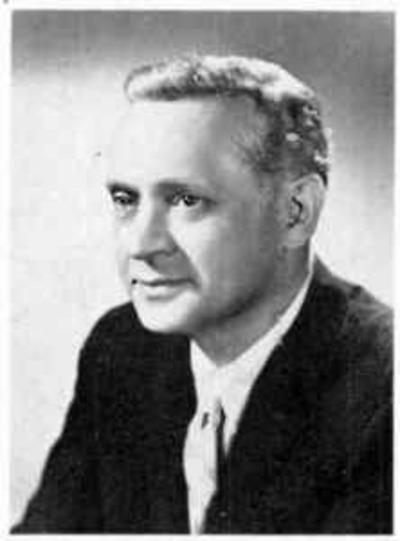
Enoch Light

Classical
Classical Crossover
Swing
 Viberate Rank: 141137
 Viberate Rank: 141137
 Monthly ListenersFollowers
 Subscribers
 Followers
 Followers
 FansTop Spotify SongsTop YouTube VideosMonthly ListenersFeatured in Playlists
| Playlist | Followers | |
|---|---|---|
1 | 1920s - 1940s Jazz and Swing verinaverona | 51.42K |
2 |  BEST RAP SAMPLES EVER Swooboobler | 46.93K |
3 |  Kanye West Samples Brian Scholving | 19.81K |
4 |  The Art of Sampling Jah Talks Music | 19.64K |
5 | Samples: Hip Hop & Rap Alex Barbosa | 18.05K |
Audience| City | Monthly Listeners | |
|---|---|---|
1 |  | 458 |
2 |  | 331 |
3 | | 280 |
4 | | 275 |
5 |  | 231 |
See full performance history, audience data, playlist activity, rankings, comparisons, and more in Viberate music analytics. Start with a free trial, then continue with a paid plan.
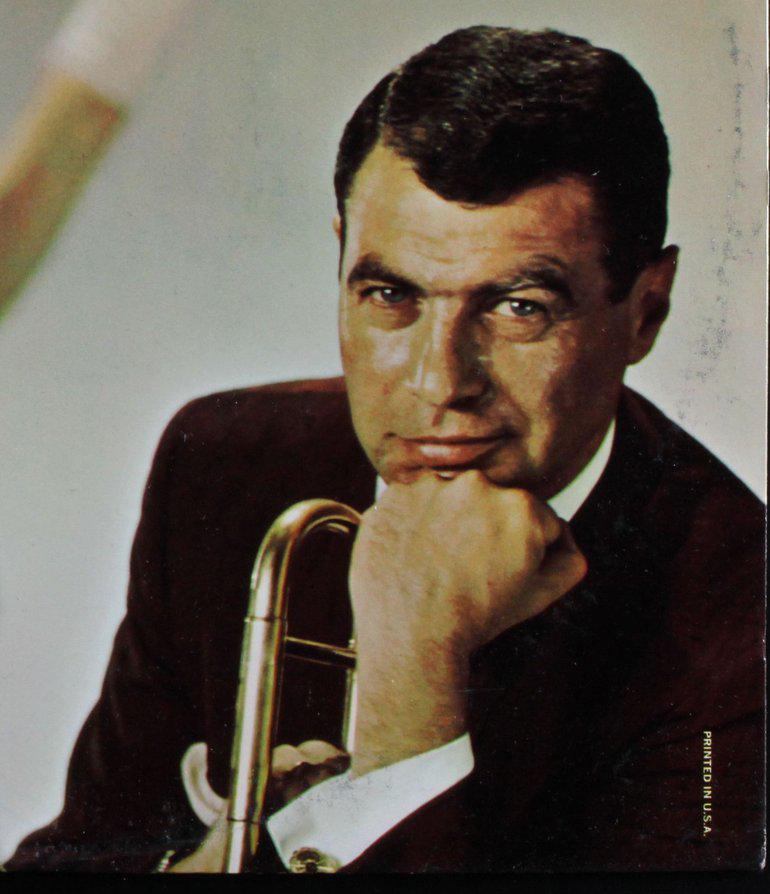
Enoch Light’s Spotify BioEnoch Light was a popular bandleader of the 1940s and '50s who is best known for his Persuasive Percussion and Provocative Percussion albums of the mid-'50s. They were some of the first albums to exploit the capabilities of stereo recording and the practice of using 35mm film as a recording medium instead of tape.
During the '30s, he headed the Enoch Light and the Light Brigade big band. The Light Brigade primarily played in theaters and on the radio, although they also toured Europe. The band also managed a hit in 1937 with "Summer Night," which was sung by Johnny Muldowney.
After the Light Brigade disbanded, Light became a session musician, playing on various records and radio broadcasts, including Hit Parade. During the '40s, he recorded versions of popular hits for budget labels, for sale in discount stores.
Light's career bounced back in the late '60s, when the Charleston City All-Stars, under his direction, had a series of hit albums entitled Roaring 20's. After their success, he… founded the Command record label, which gave him an outlet for his sonically adventurous records. Light happened to begin the label around the time stereo became widely available, and he exploited the new technology to its fullest, creating albums that used the full sonic spectrum of stereo. The first of these albums were Persuasive Percussion and Provocative Percussion, and they were wildly popular, charting in the American Top Ten. One of the most notable features of these albums were their "ping-pong stereo," which featured the music jumping from the left speaker to the right, and vice versa. During this time, Light and Command also pioneered the practice of using 35mm film instead of tape as a recording medium.
Light remained the managing director of Command until 1965. While he was the head of the label, he recorded classical albums, big-band records, and collections of film themes. After 1965, Command was bought out by ABC Records, who in turn was quickly bought out by MCA Records. MCA made Command into a budget label, pressing the albums on poor vinyl and putting them into discount stores. By 1970, the label was no longer profitable and MCA shut it down. Light continued working, both as an arranger/conductor and the head of Project 3 Records. His activity slowed in the '70s, though he did continue to record. Light died on July 31, 1978. ~ Stephen Thomas Erlewine, Rovi
Viberate is a music analytics platform built for A&Rs, artist managers, labels, booking agents, marketers, and artists.
It helps music professionals track artist growth, analyze audience data, monitor playlist activity, compare artists, follow song performance, and identify opportunities across the music market.
Public artist pages provide a free preview of selected artist data. Paid plans provide access to deeper analytics, historical data, charts, comparisons, playlist tools, exports, alerts, reports, and additional professional features.
Yes. Public Viberate artist pages provide selected artist analytics and music data for free.
Viberate also offers a 7-day free trial of the full platform. A credit card is required to start the trial. The trial includes access to the complete product so users can test deeper artist analytics, historical views, playlist insights, comparisons, charts, exports, alerts, and reporting features before choosing a paid plan.
Viberate provides artist analytics across streaming, playlists, social media, video, radio airplay, songs, and audience markets.
Users can analyze Spotify performance, Spotify and Apple Music playlists, YouTube activity, TikTok and Instagram growth, radio spins, song performance, audience locations, demographics, rankings, and overall artist momentum.
Artist profiles also connect to music charts, similar artists, and comparison tools, helping users benchmark performance and evaluate artists in context.
Viberate updates key artist and track data daily.
For followed artists and tracks, selected data is refreshed multiple times per day. This helps teams monitor playlist changes, streaming movement, audience growth, releases, and campaign performance with more current data.
Update frequency can vary depending on the metric and data source.
Yes. Viberate lets users compare up to five artists side by side across streaming, social media, audience, and engagement metrics.
Users can compare fanbase growth, audience demographics, locations, Spotify performance, social metrics, and other artist data over selected time periods.
Artist comparison can be used for A&R scouting, benchmarking, booking decisions, campaign planning, and evaluating artists with similar audiences or market positions.