Tony Mottola

Jazz
Swing
 Viberate Rank: 91470
 Viberate Rank: 91470
 Monthly ListenersFollowers
 Subscribers
 Followers
 Followers
 FansTop Spotify Songs
| Track | 7-Day Streams | |
|---|---|---|
1 | 5.94K | |
2 | 4.44K | |
3 | 3.62K | |
4 | 2.00K | |
5 | 1.90K |
Top YouTube VideosMonthly ListenersFeatured in Playlists| Playlist | Followers | |
|---|---|---|
1 |  Elevator Music Smash Meatchunk | 136.33K |
2 |  Essential Classics Essential Classics | 31.39K |
3 |  Ear Tapas Her's | 15.66K |
4 |  Christmas Acoustic Guitar Julia Kading | 14.11K |
5 | Muzak / Mallsoft / Mall Music Background Ambience 9636 | 9.08K |
Audience| City | Monthly Listeners | |
|---|---|---|
1 |  | 1.64K |
2 |  | 834 |
3 |  | 535 |
4 | | 425 |
5 |  | 399 |
See full performance history, audience data, playlist activity, rankings, comparisons, and more in Viberate music analytics. Start with a free trial, then continue with a paid plan.
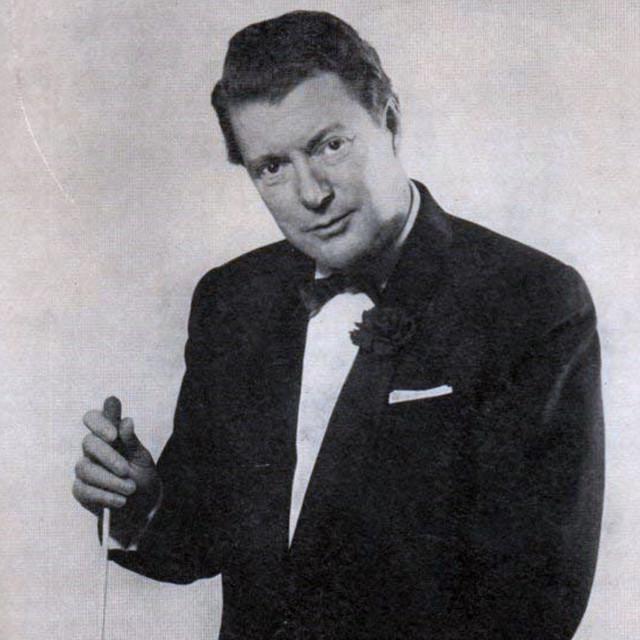
Tony Mottola’s Spotify BioA guitarist best known for his extensive solo and session work on producer Enoch Light's Command and Project 3 labels, Tony Mottola was born April 18, 1918 in Kearny, NJ. He began playing guitar at the age of nine, and attended high school alongside ill-fated jazz saxophonist Herbie Haymer and future bandleader George Paxton; after graduating, Mottola toured with George Hall's orchestra, making his recorded debut on the group's rendition of "Shine." In 1941 he was hired by the CBS radio studio orchestra, performing behind everyone from Raymond Scott to Frank Sinatra; there Mottola also backed Perry Como, with whom he remained as an accompanist for many years. Concurrently he also earned notice for his solo musical score for the Yul Brynner television series Danger. Mottola released his first Command LP Mr. Big in 1959; when Light formed the audiophile label Project 3 in 1965, the guitarist went with him, additionally serving as an associate producer. At that time, Mottola also played… with Doc Severinsen's Orchestra on NBC's The Tonight Show. Although Light died in 1978, Mottola remained with Project 3 until 1983, concurrently backing Sinatra in the studio and on tour. His working relationship with Sinatra continued until the guitarist's retirement in 1988. Tony Mottola died August 9, 2004. ~ Jason Ankeny, Rovi
Viberate is a music analytics platform built for A&Rs, artist managers, labels, booking agents, marketers, and artists.
It helps music professionals track artist growth, analyze audience data, monitor playlist activity, compare artists, follow song performance, and identify opportunities across the music market.
Public artist pages provide a free preview of selected artist data. Paid plans provide access to deeper analytics, historical data, charts, comparisons, playlist tools, exports, alerts, reports, and additional professional features.
Yes. Public Viberate artist pages provide selected artist analytics and music data for free.
Viberate also offers a 7-day free trial of the full platform. A credit card is required to start the trial. The trial includes access to the complete product so users can test deeper artist analytics, historical views, playlist insights, comparisons, charts, exports, alerts, and reporting features before choosing a paid plan.
Viberate provides artist analytics across streaming, playlists, social media, video, radio airplay, songs, and audience markets.
Users can analyze Spotify performance, Spotify and Apple Music playlists, YouTube activity, TikTok and Instagram growth, radio spins, song performance, audience locations, demographics, rankings, and overall artist momentum.
Artist profiles also connect to music charts, similar artists, and comparison tools, helping users benchmark performance and evaluate artists in context.
Viberate updates key artist and track data daily.
For followed artists and tracks, selected data is refreshed multiple times per day. This helps teams monitor playlist changes, streaming movement, audience growth, releases, and campaign performance with more current data.
Update frequency can vary depending on the metric and data source.
Yes. Viberate lets users compare up to five artists side by side across streaming, social media, audience, and engagement metrics.
Users can compare fanbase growth, audience demographics, locations, Spotify performance, social metrics, and other artist data over selected time periods.
Artist comparison can be used for A&R scouting, benchmarking, booking decisions, campaign planning, and evaluating artists with similar audiences or market positions.