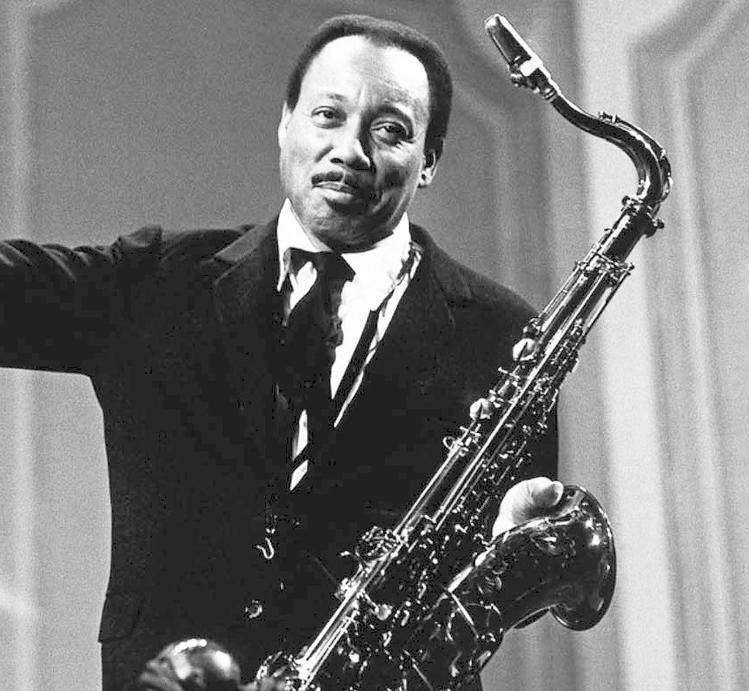
Jack Sheldon

Jazz
Vocal jazz
 Viberate Rank: 288772
 Viberate Rank: 288772
 Monthly ListenersFollowers
 Subscribers
 Followers
 Followers
 FansTop Spotify Songs
| Track | 7-Day Streams | |
|---|---|---|
1 | 3.26K | |
2 | 1.34K | |
3 | 1.26K | |
4 | 976 | |
5 | 564 |
Top YouTube VideosMonthly ListenersFeatured in Playlists| Playlist | Followers | |
|---|---|---|
1 | Jazz · Blues · Soul · Funk · Swing Carles Sirvent | 59.34K |
2 |  BOSCH a fan made playlist with Harry Bosch Jazz inspired by the TV-Series and books. Jens Olsson | 19.74K |
3 |  Complete Harry Bosch Jazz Playlist perrybucsdad | 10.17K |
4 |  FLAG RADIO Cornelius 2024-2026 α-STATION FM KYOTO | 9.15K |
5 |  School House Rock! 50th Anniversary O family | 8.63K |
Audience| City | Monthly Listeners | |
|---|---|---|
1 | | 85 |
2 | | 68 |
3 | | 67 |
4 |  | 53 |
5 |  | 44 |
See full performance history, audience data, playlist activity, rankings, comparisons, and more in Viberate music analytics. Start with a free trial, then continue with a paid plan.
Jack Sheldon’s Spotify BioOne of the great jokesters in jazz (whose spontaneous monologues are as hilarious as they are tasteless), Jack Sheldon's personality has sometimes overshadowed his excellent trumpet playing and effective vocals. Sheldon started playing professionally at age 13. He moved to Los Angeles in 1947, joined the Air Force and played in military bands. After his discharge, Sheldon became a popular figure on the West Coast, playing and recording with many top musicians including Jimmy Giuffre, Herb Geller, Wardell Gray, Stan Kenton, Benny Goodman, Curtis Counce, and Art Pepper. He worked as an actor in the 1960s (including starring in the short-lived television series Run Buddy Run), was seen nightly on The Merv Griffin Show, and in the 1970s and '80s he performed with Benny Goodman, Bill Berry's big band, in the studios, and with his own groups. He also made his mark on millions of American children by being the vocalist for both "Conjuction Junction" and "I'm Just a Bill" from the Schoolhouse… Rocks! series. Into the mid-'90s, Jack Sheldon (who often uses a big band arranged by Tom Kubis) remained quite active in the Los Angeles area, recording regularly for Concord and his Butterfly label. ~ Scott Yanow, Rovi
Viberate is a music analytics platform built for A&Rs, artist managers, labels, booking agents, marketers, and artists.
It helps music professionals track artist growth, analyze audience data, monitor playlist activity, compare artists, follow song performance, and identify opportunities across the music market.
Public artist pages provide a free preview of selected artist data. Paid plans provide access to deeper analytics, historical data, charts, comparisons, playlist tools, exports, alerts, reports, and additional professional features.
Yes. Public Viberate artist pages provide selected artist analytics and music data for free.
Viberate also offers a 7-day free trial of the full platform. A credit card is required to start the trial. The trial includes access to the complete product so users can test deeper artist analytics, historical views, playlist insights, comparisons, charts, exports, alerts, and reporting features before choosing a paid plan.
Viberate provides artist analytics across streaming, playlists, social media, video, radio airplay, songs, and audience markets.
Users can analyze Spotify performance, Spotify and Apple Music playlists, YouTube activity, TikTok and Instagram growth, radio spins, song performance, audience locations, demographics, rankings, and overall artist momentum.
Artist profiles also connect to music charts, similar artists, and comparison tools, helping users benchmark performance and evaluate artists in context.
Viberate updates key artist and track data daily.
For followed artists and tracks, selected data is refreshed multiple times per day. This helps teams monitor playlist changes, streaming movement, audience growth, releases, and campaign performance with more current data.
Update frequency can vary depending on the metric and data source.
Yes. Viberate lets users compare up to five artists side by side across streaming, social media, audience, and engagement metrics.
Users can compare fanbase growth, audience demographics, locations, Spotify performance, social metrics, and other artist data over selected time periods.
Artist comparison can be used for A&R scouting, benchmarking, booking decisions, campaign planning, and evaluating artists with similar audiences or market positions.