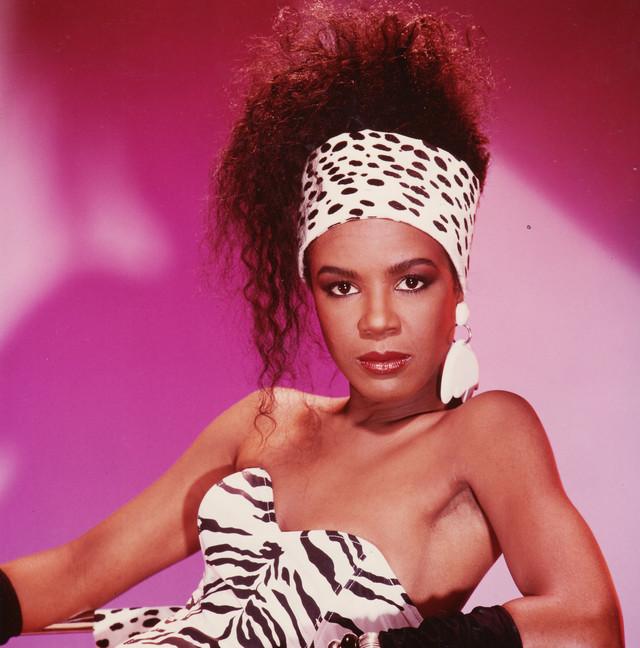
Shirley Murdock

R&B
Contemporary R&B
Soul
Christian Music
 Viberate Rank: 39933
 Viberate Rank: 39933
 Monthly ListenersFollowers
 Subscribers
 Followers
 Followers
 FansTop Spotify Songs
| Track | 7-Day Streams | |
|---|---|---|
1 | 36.98K | |
2 | 34.08K | |
3 | 25.20K | |
4 | 6.72K | |
5 | 5.78K |
Top YouTube VideosMonthly ListenersFeatured in Playlists| Playlist | Followers | |
|---|---|---|
1 |  90s R&B Hits (Top 100) Nostalgic Vibes | 234.86K |
2 | **80s R&B Hits** Chrismix | 119.20K |
3 | Slow Jams/R&B ❤️ _elissseee | 74.32K |
4 | BLACK SUMMER COOKOUT King Retro 1 | 67.01K |
5 | 90s RnB Steph Georgopulos | 66.89K |
Audience| City | Monthly Listeners | |
|---|---|---|
1 | | 4.61K |
2 |  | 4.08K |
3 | | 3.91K |
4 | | 3.73K |
5 | | 3.35K |
See full performance history, audience data, playlist activity, rankings, comparisons, and more in Viberate music analytics. Start with a free trial, then continue with a paid plan.
Shirley Murdock’s Spotify BioSinger/songwriter Shirley Murdock is best known for the ethereal ballad "As We Lay," which was produced by Roger Troutman. Murdock started out singing gospel music in her native Toledo. Troutman hired her as a background singer for his family's group Zapp, who had several hits on Warner Brothers (or its Reprise imprint). Based on this success, Troutman began recording tracks with Murdock and lead singer Sugarfoot of the Ohio Players, among others, at his Dayton-based recording studio Troutman Sound Labs.
Murdock and Troutman's first charting single was a Warner single issued as Roger (Featuring Shirley Murdock), "Girl, Cut It Out," which charted at number 79 R&B in early 1985. Murdock was signed to Elektra Records with the pumping "No More," which made it to number 24 R&B in early 1986. Then came her signature hit, "As We Lay," written by Zapp's Larry Troutman and keyboardist Billy Beck (of the Ohio Players). The tender, melancholy ballad made it to the R&B Top Ten and peaked at number… 23 pop in 1986. Her LP Shirley Murdock went gold, also helped along by the follow-up hits "Go on Without You" and "Be Free." She also released full-lengths in 1988 (A Woman's Point of View) and 1991 (Let There Be Love). In early 2000, Murdock toured in the inspirational/gospel play, Be Careful What You Pray For with Cuba Gooding and David Peaston. ~ Ed Hogan, Rovi
Viberate is a music analytics platform built for A&Rs, artist managers, labels, booking agents, marketers, and artists.
It helps music professionals track artist growth, analyze audience data, monitor playlist activity, compare artists, follow song performance, and identify opportunities across the music market.
Public artist pages provide a free preview of selected artist data. Paid plans provide access to deeper analytics, historical data, charts, comparisons, playlist tools, exports, alerts, reports, and additional professional features.
Yes. Public Viberate artist pages provide selected artist analytics and music data for free.
Viberate also offers a 7-day free trial of the full platform. A credit card is required to start the trial. The trial includes access to the complete product so users can test deeper artist analytics, historical views, playlist insights, comparisons, charts, exports, alerts, and reporting features before choosing a paid plan.
Viberate provides artist analytics across streaming, playlists, social media, video, radio airplay, songs, and audience markets.
Users can analyze Spotify performance, Spotify and Apple Music playlists, YouTube activity, TikTok and Instagram growth, radio spins, song performance, audience locations, demographics, rankings, and overall artist momentum.
Artist profiles also connect to music charts, similar artists, and comparison tools, helping users benchmark performance and evaluate artists in context.
Viberate updates key artist and track data daily.
For followed artists and tracks, selected data is refreshed multiple times per day. This helps teams monitor playlist changes, streaming movement, audience growth, releases, and campaign performance with more current data.
Update frequency can vary depending on the metric and data source.
Yes. Viberate lets users compare up to five artists side by side across streaming, social media, audience, and engagement metrics.
Users can compare fanbase growth, audience demographics, locations, Spotify performance, social metrics, and other artist data over selected time periods.
Artist comparison can be used for A&R scouting, benchmarking, booking decisions, campaign planning, and evaluating artists with similar audiences or market positions.