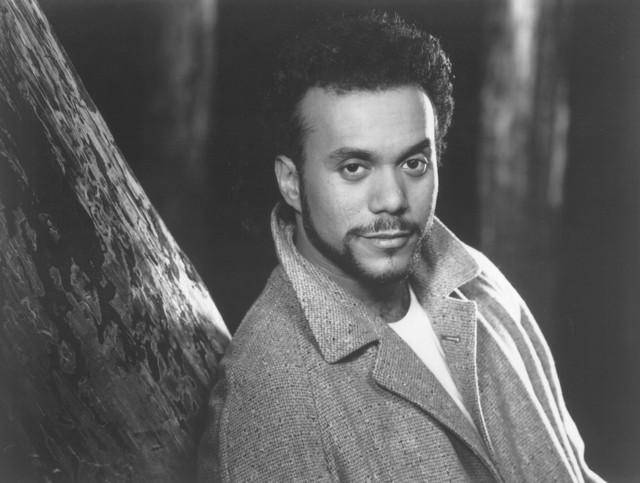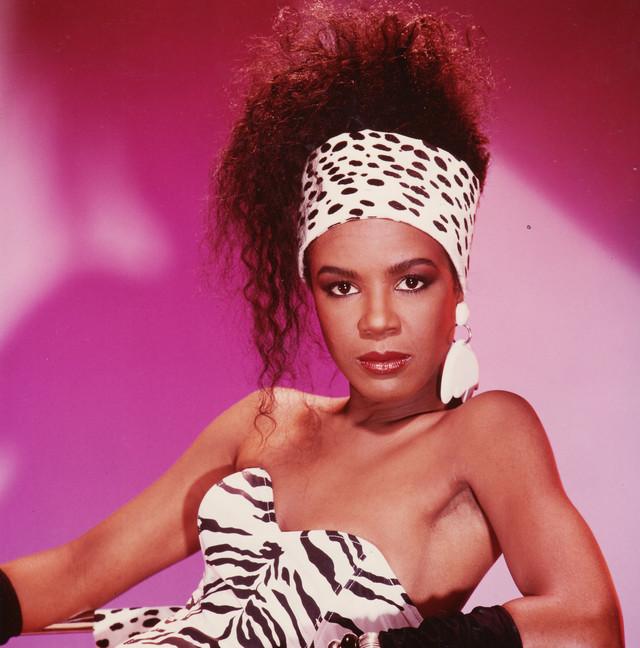
Angela Winbush

R&B
Contemporary R&B
Soul
 Viberate Rank: 32762
 Viberate Rank: 32762
 Monthly ListenersFollowers
 Subscribers
 Followers
 Followers
 FansTop Spotify Songs
| Track | 7-Day Streams | |
|---|---|---|
1 | 74.38K | |
2 | 12.28K | |
3 | 12.09K | |
4 | 8.51K | |
5 | 6.38K |
Top YouTube VideosMonthly ListenersFeatured in Playlists| Playlist | Followers | |
|---|---|---|
1 |  90's Hip Hop Don't Stop Topsify US | 484.01K |
2 | **80s R&B Hits** Chrismix | 119.20K |
3 | Top G | 103.14K |
4 | The Best of R&B: 80's, 90's, & 00's Mike Salinas | 84.73K |
5 |  Spitz mal die Ohren Erkin.bellucci | 83.85K |
Audience| City | Monthly Listeners | |
|---|---|---|
1 |  | 5.17K |
2 | | 2.46K |
3 | | 2.16K |
4 | | 2.11K |
5 | | 1.71K |
See full performance history, audience data, playlist activity, rankings, comparisons, and more in Viberate music analytics. Start with a free trial, then continue with a paid plan.
Angela Winbush’s Spotify BioSinger, songwriter, keyboardist, and producer Angela Winbush's credentials include solo hits such as her R&B number one "Angel"; hits as half of the singing duo René & Angela and their hits "Save Your Love (For #1)" and "Your Smile"; and hits she wrote for Stephanie Mills and the Isley Brothers. Besides Rene Moore, Winbush's early collaborators included Rufus' bassist Bobby Watson, engineer/producer Bruce Swedien, and George Duke.
Born in St. Louis, Missouri, Winbush grew up singing gospel music in the church choir and learned to play piano as a child. She had no intentions of pursuing a professional music career when she attended Washington, D.C.'s Howard University, where she majored in architecture. To earn money to pay expenses, she began singing on recording sessions and formed a vocal trio that opened for Van McCoy and Al Jarreau. She became interested in the music business and changed her major to music education.
Around 1977, Winbush sent a demo tape to New York DJ Gary Byrd. He… played it over the phone for his friend Stevie Wonder, who called Winbush and invited her to Los Angeles. While singing in Wonder's backup band Wonderlove, Winbush learned about writing and producing by sitting in on sessions with Wonder. In 1980, she met singer/songwriter Rene Moore through Wonderlove vocalist Carolyn Dennis and they began writing songs together, eventually forming the duo René & Angela. In 1978, former Tower of Power lead singer Lenny Williams recorded one of their songs, "Changes." A friend introduced the duo to Dr. Cecil Hale, a Capitol Records executive who signed the duo to the label. Two LPs were issued, Wall to Wall and Rise. Another René & Angela song, the ballad "I Have Learned to Respect the Power of Love," was recorded by Alton McClain & Destiny on their self-titled 1978 Polydor LP. In 1985, René & Angela signed to the Mercury imprint. Their label debut, Street Called Desire, went gold, yielding the number one R&B hits "Save Your Love (For #1)," which featured a rap by Kurtis Blow, and "Your Smile." An earlier René & Angela song would resurface in a big way. The first single from Stephanie Mills' 1985 Stephanie Mills album was "Stand Back"; on its flipside was her passionate cover of "I Have Learned to Respect the Power of Love." Because of its massive radio play as an album track, Mills' version was reissued as an A-side and held the number one spot for two weeks in spring 1986.
By 1987, Winbush was solo and got her first production job on the Isley Brothers' Smooth Sailing LP after the group's lead singer, Ronald Isley, mentioned to Warner Bros. records executive Benny Medina that he wanted to work with the group who did "Your Smile." After working together, Isley became the singer's manager, and he continued to benefit from Winbush's songwriting and production talents. The two married in 1993, but later divorced.
After she released her third solo album, a self-titled Top 12 R&B hit, in 1994, Winbush largely worked in the background. In the early 2000s, she fought -- and beat -- ovarian cancer. The TV One network gave her career some much-deserved attention in 2010, when it made her the subject of one of their Unsung documentaries. ~ Ed Hogan, Rovi
Viberate is a music analytics platform built for A&Rs, artist managers, labels, booking agents, marketers, and artists.
It helps music professionals track artist growth, analyze audience data, monitor playlist activity, compare artists, follow song performance, and identify opportunities across the music market.
Public artist pages provide a free preview of selected artist data. Paid plans provide access to deeper analytics, historical data, charts, comparisons, playlist tools, exports, alerts, reports, and additional professional features.
Yes. Public Viberate artist pages provide selected artist analytics and music data for free.
Viberate also offers a 7-day free trial of the full platform. A credit card is required to start the trial. The trial includes access to the complete product so users can test deeper artist analytics, historical views, playlist insights, comparisons, charts, exports, alerts, and reporting features before choosing a paid plan.
Viberate provides artist analytics across streaming, playlists, social media, video, radio airplay, songs, and audience markets.
Users can analyze Spotify performance, Spotify and Apple Music playlists, YouTube activity, TikTok and Instagram growth, radio spins, song performance, audience locations, demographics, rankings, and overall artist momentum.
Artist profiles also connect to music charts, similar artists, and comparison tools, helping users benchmark performance and evaluate artists in context.
Viberate updates key artist and track data daily.
For followed artists and tracks, selected data is refreshed multiple times per day. This helps teams monitor playlist changes, streaming movement, audience growth, releases, and campaign performance with more current data.
Update frequency can vary depending on the metric and data source.
Yes. Viberate lets users compare up to five artists side by side across streaming, social media, audience, and engagement metrics.
Users can compare fanbase growth, audience demographics, locations, Spotify performance, social metrics, and other artist data over selected time periods.
Artist comparison can be used for A&R scouting, benchmarking, booking decisions, campaign planning, and evaluating artists with similar audiences or market positions.