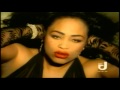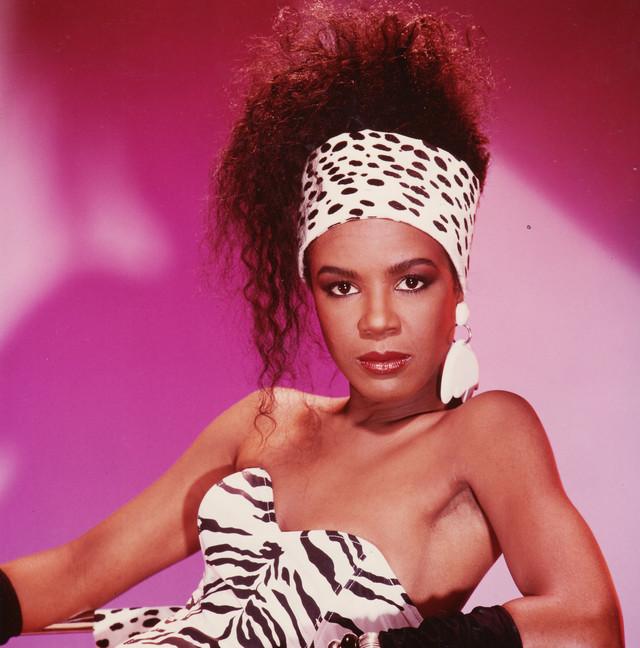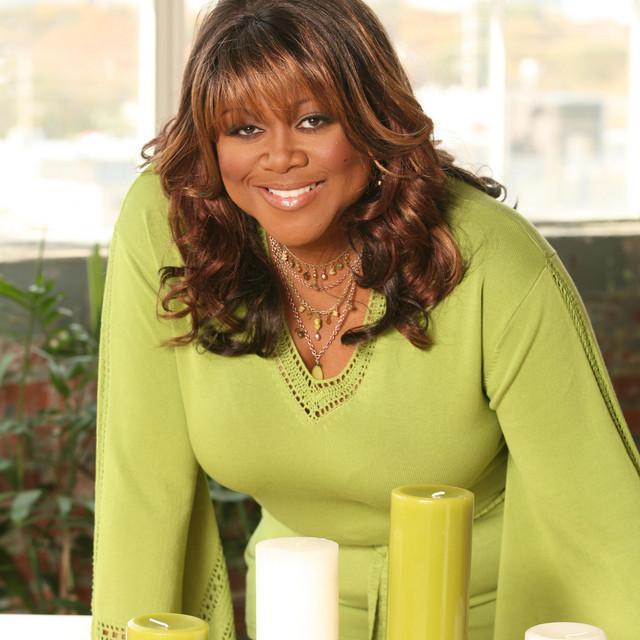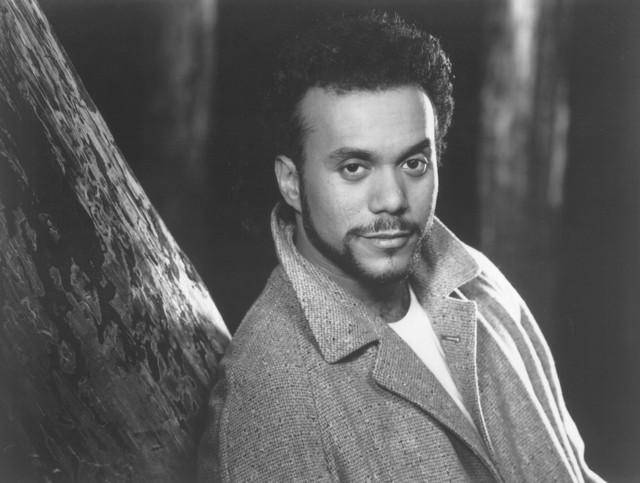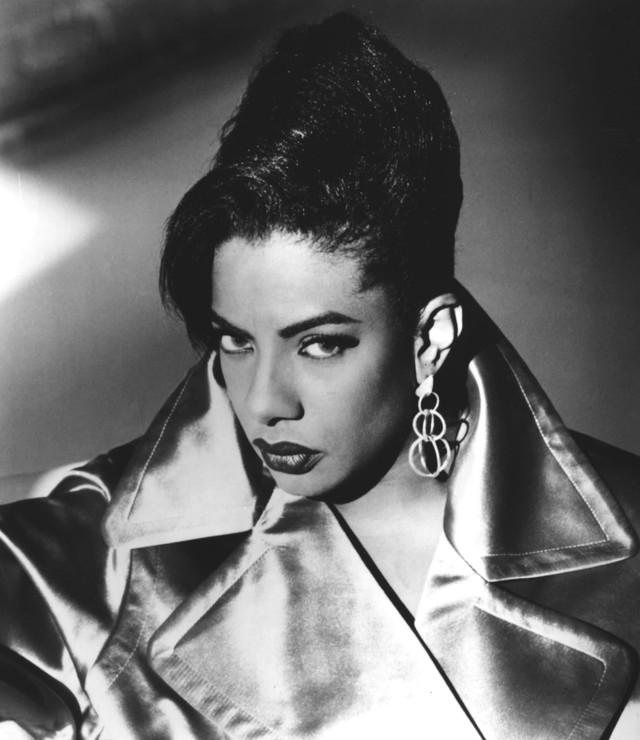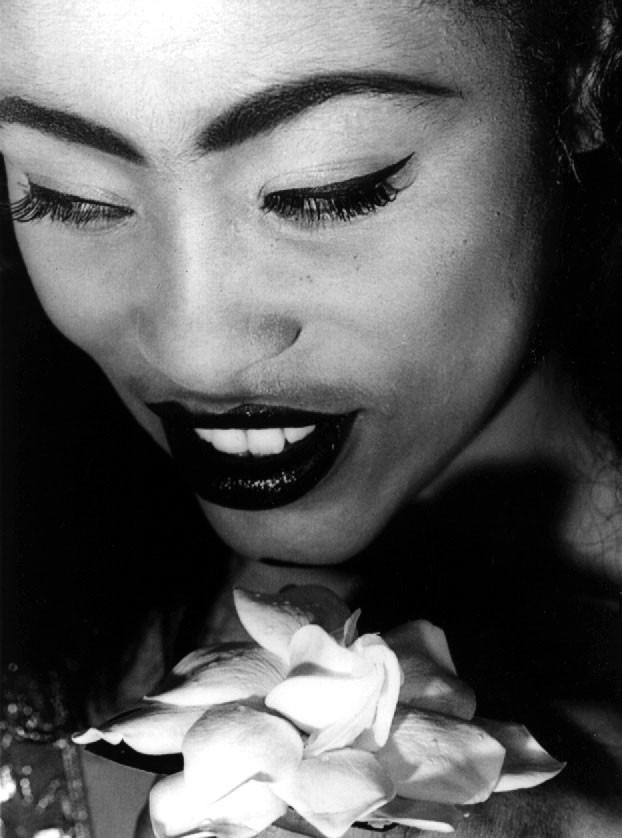
Miki Howard

R&B
Contemporary R&B
Soul
 Viberate Rank: 37789
 Viberate Rank: 37789
 Monthly ListenersFollowers
 Subscribers
 Followers
 Followers
 FansTop Spotify Songs
| Track | 7-Day Streams | |
|---|---|---|
1 | 33.40K | |
2 | 24.49K | |
3 | 14.17K | |
4 | 10.42K | |
5 | 7.96K |
Top YouTube Videos| Video | 7-Day Views | |
|---|---|---|
1 | 7.11K | |
2 | 6.08K | |
3 | 2.41K | |
4 | 2.06K | |
5 | 934 |
Monthly ListenersFeatured in Playlists| Playlist | Followers | |
|---|---|---|
1 |  Got Blues Spotify | 161.34K |
2 | **80s R&B Hits** Chrismix | 119.14K |
3 | RnB & soul❤️🤧 LWAZI | 65.23K |
4 |  60s 70s 80s 90s 00s Greatest Hits and Songs Diestro Music | 51.95K |
5 |  Best New Jack Swing Collection Playlist DJ Hol Up | 38.17K |
Audience| City | Monthly Listeners | |
|---|---|---|
1 |  | 11.08K |
2 | | 4.48K |
3 | | 3.56K |
4 | | 3.53K |
5 | | 3.34K |
See full performance history, audience data, playlist activity, rankings, comparisons, and more in Viberate music analytics. Start with a free trial, then continue with a paid plan.
Miki Howard’s Spotify BioMiki Howard grew up in the church, where both of her parents were gospel singers. Her mother was also a member of the gospel group the Caravans and was acquainted with various entertainers. Howard's mother would take her to the homes of various stars such as Aretha Franklin and Mavis Staples.
While still in elementary school, Howard moved to Los Angeles with her mom. At the age of 15, she performed in a teen pageant. After the show, she met Side Effect member Augie Johnson, who happened to be in the audience and began working with Howard creatively. After a period of time, Howard became a Side Effect member -- upon the departure of Sylvia St. James. Howard's tenure with the group lasted a few years. During this time, she also had two children by Johnson. In addition to singing with Side Effect, she did background vocals for Wayne Henderson, Roy Ayers, Stanley Turrentine, and several other artists.
After leaving Side Effect, Howard signed a deal with Atlantic. Her first hit for the label… was the Billboard R&B Top Ten single "Come Share My Love." She followed that with the remake of Glenn Miller's 1940 hit "Imagination." Her success continued with two more Top Ten singles, "Baby Be Mine" and "That's What Love Is." The latter was a duet with Gerald Levert and was the result of the creative union Howard formed with Marc Gordon and Levert. Howard and Levert later became romantically involved, and that romance spawned one of Howard's biggest hits, "Love Under New Management." The song was written during their brief love affair, but was released after their romance had dissolved.
In 1990, Howard signed a deal with Giant, which facilitated the release of her number one smash hit "Ain't Nobody Like You." Howard's lifeline at Giant was cut short due to an altercation her husband had at the label. She also made an appearance as Billie Holiday in a club scene in the Spike Lee movie Malcom X. Howard continued to issue albums throughout the '90s and early 2000s, a few of them heavy on -- or wholly reliant upon -- covers. Her releases during these years included Femme Fatale (1992), Shining Through (1993), Live Plus (1996), Can't Count Me Out (1997), Three Wishes (2001), and Pillow Talk (2006). ~ Craig Lytle, Rovi
Viberate is a music analytics platform built for A&Rs, artist managers, labels, booking agents, marketers, and artists.
It helps music professionals track artist growth, analyze audience data, monitor playlist activity, compare artists, follow song performance, and identify opportunities across the music market.
Public artist pages provide a free preview of selected artist data. Paid plans provide access to deeper analytics, historical data, charts, comparisons, playlist tools, exports, alerts, reports, and additional professional features.
Yes. Public Viberate artist pages provide selected artist analytics and music data for free.
Viberate also offers a 7-day free trial of the full platform. A credit card is required to start the trial. The trial includes access to the complete product so users can test deeper artist analytics, historical views, playlist insights, comparisons, charts, exports, alerts, and reporting features before choosing a paid plan.
Viberate provides artist analytics across streaming, playlists, social media, video, radio airplay, songs, and audience markets.
Users can analyze Spotify performance, Spotify and Apple Music playlists, YouTube activity, TikTok and Instagram growth, radio spins, song performance, audience locations, demographics, rankings, and overall artist momentum.
Artist profiles also connect to music charts, similar artists, and comparison tools, helping users benchmark performance and evaluate artists in context.
Viberate updates key artist and track data daily.
For followed artists and tracks, selected data is refreshed multiple times per day. This helps teams monitor playlist changes, streaming movement, audience growth, releases, and campaign performance with more current data.
Update frequency can vary depending on the metric and data source.
Yes. Viberate lets users compare up to five artists side by side across streaming, social media, audience, and engagement metrics.
Users can compare fanbase growth, audience demographics, locations, Spotify performance, social metrics, and other artist data over selected time periods.
Artist comparison can be used for A&R scouting, benchmarking, booking decisions, campaign planning, and evaluating artists with similar audiences or market positions.