Alyson Williams

R&B
Contemporary R&B
Soul
 Viberate Rank: 128625
 Viberate Rank: 128625
 Monthly ListenersFollowers
 Subscribers
 Followers
 Followers
 FansTop Spotify Songs
| Track | 7-Day Streams | |
|---|---|---|
1 | 9.15K | |
2 | 2.34K | |
3 | 1.26K | |
4 | 869 | |
5 | 869 |
Top YouTube Videos| Video | 7-Day Views | |
|---|---|---|
1 | 93 |
Monthly ListenersFeatured in Playlists| Playlist | Followers | |
|---|---|---|
1 |  Larry Levan at Paradise Garage Honey-K | 29.29K |
2 | OLD SCHOOL SLOW JAMS MIX - Keith Sweat, R Kelly ,Joe , Tyrese & More Cathy Codagyrl | 20.75K |
3 | Marci Nicole | 17.82K |
4 | The Very Best of Quiet Storm (R&B's Elite; 80s, 90s, 00s and Beyond Slow Jamz Session) Nakia Wimbley | 12.79K |
5 |  80s Quiet Storm⚡️ LeeLee | 11.86K |
Audience| City | Monthly Listeners | |
|---|---|---|
1 |  | 1.26K |
2 |  | 925 |
3 | | 726 |
4 | | 624 |
5 | | 610 |
See full performance history, audience data, playlist activity, rankings, comparisons, and more in Viberate music analytics. Start with a free trial, then continue with a paid plan.
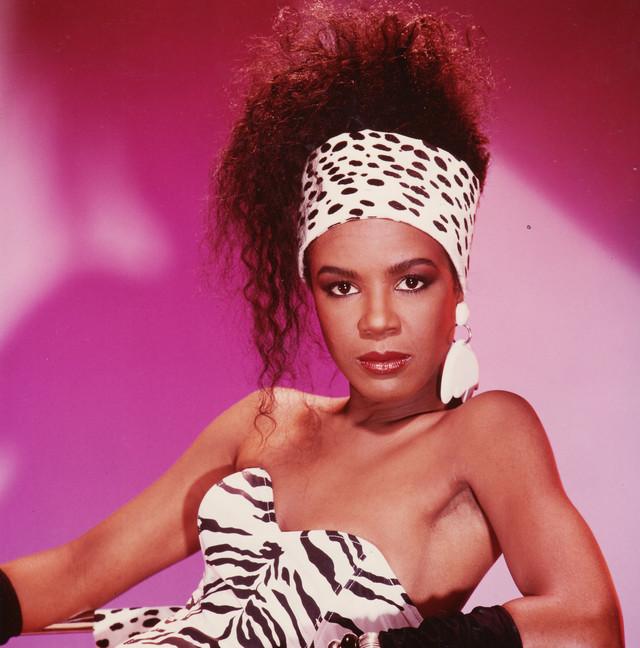
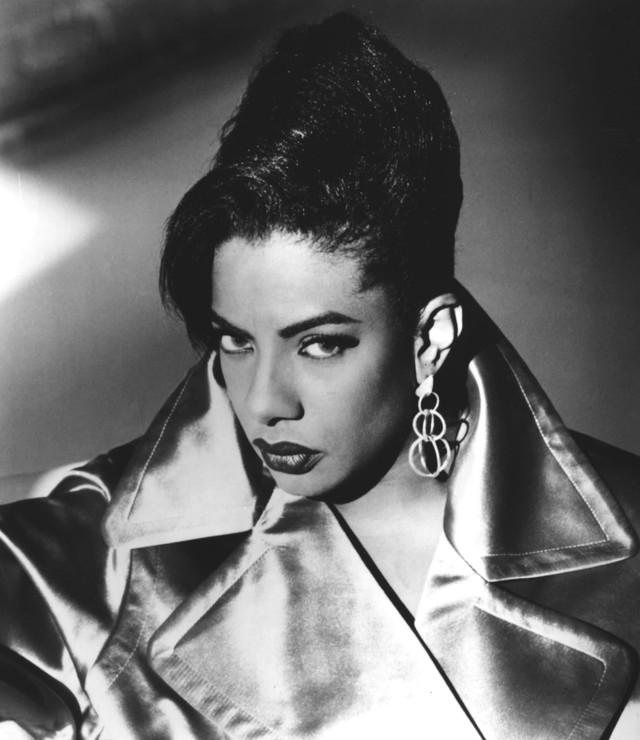
Alyson Williams’ Spotify BioAn immensely talented vocalist able to sing new jack swing tunes or old-time soul ballads with equal skill, Alyson Williams spent awhile on the edge of stardom. The daughter of trumpeter and bandleader Bobby Booker, Williams did background vocals for Curtis Hairston, Melba Moore, B.B. & Q., Ca$hflow, Unlimited Touch, Bobby Brown, and Barbara Mitchell before joining High Fashion in 1982. Williams also sang with the Affair before going solo in 1986 with a cover of the Pointer Sisters' "Yes We Can Can." She joined Def Jam in 1987, and the scorching duet "Make You Mine Tonight" with Chuck Stanley established her credentials with urban audiences. Williams also did a duet with Oran "Juice" Jones, "How to Love Again," that was featured on his LP G.T.O.: Gangsters Takin' Over. Her Def Jam debut was Raw in 1989. Williams did another duet, this time with Tashan, in 1989, and the two later toured England together. She returned in 1991 with a self-titled release for the OBR/Columbia label, but it… was her last. ~ Ron Wynn, Rovi
Viberate is a music analytics platform built for A&Rs, artist managers, labels, booking agents, marketers, and artists.
It helps music professionals track artist growth, analyze audience data, monitor playlist activity, compare artists, follow song performance, and identify opportunities across the music market.
Public artist pages provide a free preview of selected artist data. Paid plans provide access to deeper analytics, historical data, charts, comparisons, playlist tools, exports, alerts, reports, and additional professional features.
Yes. Public Viberate artist pages provide selected artist analytics and music data for free.
Viberate also offers a 7-day free trial of the full platform. A credit card is required to start the trial. The trial includes access to the complete product so users can test deeper artist analytics, historical views, playlist insights, comparisons, charts, exports, alerts, and reporting features before choosing a paid plan.
Viberate provides artist analytics across streaming, playlists, social media, video, radio airplay, songs, and audience markets.
Users can analyze Spotify performance, Spotify and Apple Music playlists, YouTube activity, TikTok and Instagram growth, radio spins, song performance, audience locations, demographics, rankings, and overall artist momentum.
Artist profiles also connect to music charts, similar artists, and comparison tools, helping users benchmark performance and evaluate artists in context.
Viberate updates key artist and track data daily.
For followed artists and tracks, selected data is refreshed multiple times per day. This helps teams monitor playlist changes, streaming movement, audience growth, releases, and campaign performance with more current data.
Update frequency can vary depending on the metric and data source.
Yes. Viberate lets users compare up to five artists side by side across streaming, social media, audience, and engagement metrics.
Users can compare fanbase growth, audience demographics, locations, Spotify performance, social metrics, and other artist data over selected time periods.
Artist comparison can be used for A&R scouting, benchmarking, booking decisions, campaign planning, and evaluating artists with similar audiences or market positions.