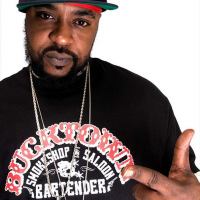
Sean Price

Hip Hop
Contemporary Hip Hop
 Viberate Rank: 49758
 Viberate Rank: 49758
 Monthly ListenersFollowers
 Subscribers
 Followers
 Followers
 FansTop Spotify Songs
| Track | 7-Day Streams | |
|---|---|---|
1 | 38.35K | |
2 | 13.58K | |
3 | 12.18K | |
4 | 11.76K | |
5 | 10.28K |
Top YouTube Videos| Video | 7-Day Views | |
|---|---|---|
1 | 4.48K | |
2 | 4.36K | |
3 | 3.33K | |
4 | 3.30K | |
5 | 2.88K |
Monthly ListenersFeatured in Playlists| Playlist | Followers | |
|---|---|---|
1 |  Boom Bap Focus Spotify | 375.16K |
2 |  This Is Wu-Tang Clan Spotify | 266.07K |
3 | NEW SH*T || Updated weekly || ORIGINAL RAPCAVIAR Simon Grum | 91.03K |
4 |  2011 Hits ThrowbackTracks | 57.05K |
5 |  GetOnMyLivestreamLvL Marcel Eris | 56.05K |
Audience| City | Monthly Listeners | |
|---|---|---|
1 | | 2.35K |
2 | | 2.09K |
3 |  | 1.94K |
4 |  | 1.83K |
5 |  | 1.80K |
See full performance history, audience data, playlist activity, rankings, comparisons, and more in Viberate music analytics. Start with a free trial, then continue with a paid plan.
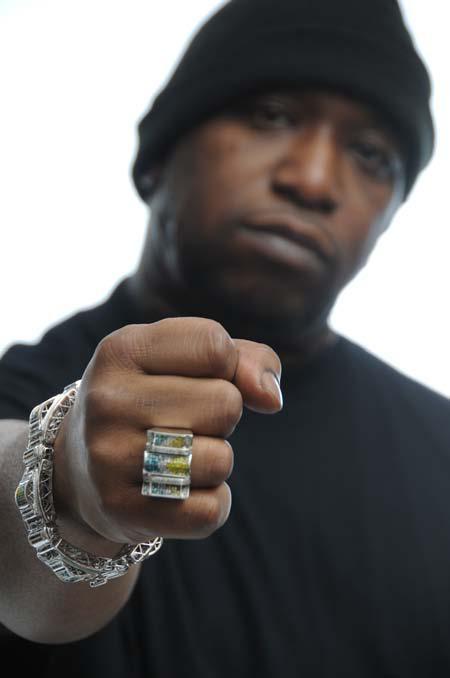
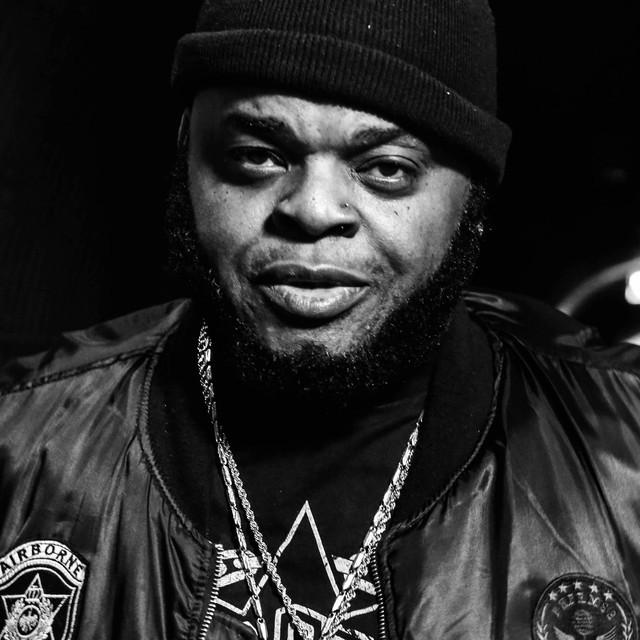
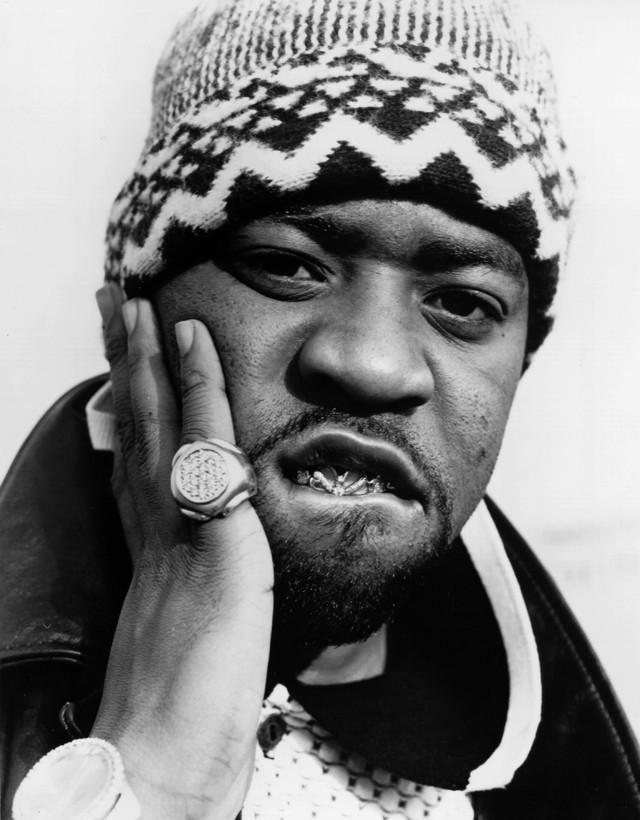
Sean Price’s Spotify BioIn the mid-'90s, Sean Price, known then as Ruck, and partner Rock dropped their debut album, Nocturnal, as the rap outfit Heltah Skeltah during a time when East Coast hip-hop was delivering mainstream and underground classics left and right. Heltah Skeltah and the rest of their collective, the Boot Camp Clik, never enjoyed the popular success of East Coast acts Wu-Tang Clan or Mobb Deep, but they did receive that same critical acclaim. Source magazine nominated them for Best New Group of 1996. Price, however, was always cast as the sidekick half of the group on account of Rock's gritty and baritone voice, despite the fact that they were both masterful lyricists.
By the time of their second release in 1998, Magnum Force, none of this mattered. The album did poorly, as did the Boot Camp's record label, Duck Down Records. Priority Records dropped Duck Down from its distribution deal in 2000. Rock left Duck Down to pursue a solo career with DJ Lethal (of House of Pain and Limp Bizkit fame)… and his new label, Lethal Dose Records; however, that project folded. Price found himself either in jail or back on the streets of Brooklyn, New York, hustling and selling crack in order to survive. After a few years of hard times, a serious girlfriend, and children, he began appearing on various mixtapes and other albums as a solo artist using his birth name, Sean Price. A notable guest appearance during this period was on "Rising to the Top," a duo with Dipset affiliate Agallah that was featured in the popular video game Grand Theft Auto III.
A reinvigorated Duck Down Records obtained a new distribution deal with Navarre in May 2005 and announced their "Triple Threat" campaign, a three-album collaborative effort with rap collective the Justus League and their in-house producers, 9th Wonder and Khrysis. Monkey Barz, Price's solo debut and first installment of the campaign, was also released in May 2005, attaining very favorable reviews. Upon winning Independent Album of 2005 in both Source and the influential website AllHipHop.com, many began to consider Price to be the Boot Camp's star rapper -- a title usually given to Boot Camp leader Buckshot. His second solo album, Jesus Price Supastar (2007), was received just as favorably as the first, and even prompted some major-label interest in the veteran MC. In 2011 he joined Black Milk and Guilty Simpson in Random Axe, an underground hip-hop supergroup that released a self-titled album that same year. After a long wait for his next solo release, 2012's Mic Tyson also received favorable notice.
Sadly, Price died in his sleep at his Brooklyn home three years later in August 2015; he was 43 years old. The posthumous mixtape Songs in the Key of Price climbed the Billboard charts one month later. Two years after his death, Price's Imperius Rex was released, containing guest appearances from DOOM, Prodigy, Method Man, and several others. ~ Cyril Cordor, Rovi
Viberate is a music analytics platform built for A&Rs, artist managers, labels, booking agents, marketers, and artists.
It helps music professionals track artist growth, analyze audience data, monitor playlist activity, compare artists, follow song performance, and identify opportunities across the music market.
Public artist pages provide a free preview of selected artist data. Paid plans provide access to deeper analytics, historical data, charts, comparisons, playlist tools, exports, alerts, reports, and additional professional features.
Yes. Public Viberate artist pages provide selected artist analytics and music data for free.
Viberate also offers a 7-day free trial of the full platform. A credit card is required to start the trial. The trial includes access to the complete product so users can test deeper artist analytics, historical views, playlist insights, comparisons, charts, exports, alerts, and reporting features before choosing a paid plan.
Viberate provides artist analytics across streaming, playlists, social media, video, radio airplay, songs, and audience markets.
Users can analyze Spotify performance, Spotify and Apple Music playlists, YouTube activity, TikTok and Instagram growth, radio spins, song performance, audience locations, demographics, rankings, and overall artist momentum.
Artist profiles also connect to music charts, similar artists, and comparison tools, helping users benchmark performance and evaluate artists in context.
Viberate updates key artist and track data daily.
For followed artists and tracks, selected data is refreshed multiple times per day. This helps teams monitor playlist changes, streaming movement, audience growth, releases, and campaign performance with more current data.
Update frequency can vary depending on the metric and data source.
Yes. Viberate lets users compare up to five artists side by side across streaming, social media, audience, and engagement metrics.
Users can compare fanbase growth, audience demographics, locations, Spotify performance, social metrics, and other artist data over selected time periods.
Artist comparison can be used for A&R scouting, benchmarking, booking decisions, campaign planning, and evaluating artists with similar audiences or market positions.