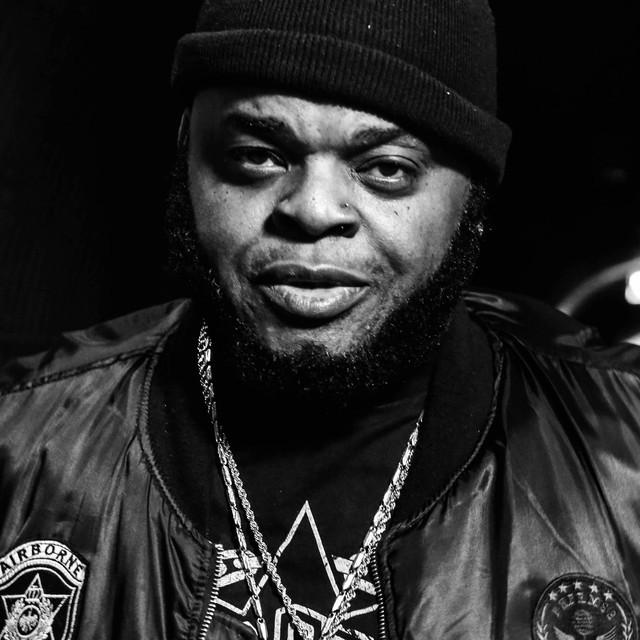
Big Shug

Hip Hop
Contemporary Hip Hop
 Viberate Rank: 98553
 Viberate Rank: 98553
 Monthly ListenersFollowers
 Subscribers
 Followers
 Followers
 FansTop Spotify Songs
| Track | 7-Day Streams | |
|---|---|---|
1 | 78.67K | |
2 | 8.29K | |
3 | 6.01K | |
4 | 5.53K | |
5 | 3.80K |
Top YouTube Videos| Video | 7-Day Views | |
|---|---|---|
1 | 3.51K | |
2 | 528 | |
3 | 320 | |
4 | 232 | |
5 | 214 |
Monthly ListenersFeatured in Playlists| Playlist | Followers | |
|---|---|---|
1 |  Green Room Joe Rogan | 123.81K |
2 |  Boom Bap Classics Ville Kyyny | 60.44K |
3 |  Best Hip-Hop of all time Jonas de la Chaux | 55.26K |
4 | Hip Hop Old School 90's Alex CUCS | 47.89K |
5 | Hip hop instrumentals Maximilien Sautreau | 40.78K |
Audience| City | Monthly Listeners | |
|---|---|---|
1 |  | 922 |
2 |  | 728 |
3 |  | 700 |
4 |  | 654 |
5 |  | 624 |
See full performance history, audience data, playlist activity, rankings, comparisons, and more in Viberate music analytics. Start with a free trial, then continue with a paid plan.
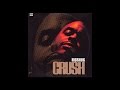
Big Shug’s Spotify BioAlthough his status within Boston's rap underground is legendary, hardcore underground rapper Big Shug is widely known for his long-time affiliation with hip-hop duo Gang Starr and its producer-half, DJ Premier. Deemed top general of the Gang Starr Foundation collective, Big Shug's unrelenting flow and predisposition for menacing rhymes -- personified by his massive and imposing physique -- were best captured in his classic verses on Gang Starr cuts "F.A.L.A" (from 1994's Hard to Earn) and "The Militia" (from 1998's Moment of Truth). Born Cary Guy, the hardcore rapper spent much of his early life in Boston's Mattapan (known locally as "Murdapan") section. Because his mother abandoned his family and his father grappled with alcoholism, Guy had to fend for himself on the streets. The friendship that he eventually made with Gang Starr's MC, Guru, is actually where the origins of Gang Starr lie. Shug stimulated Guru's interest to rhyme in somewhat of a mentoring capacity. However, too… embedded in Boston's underbelly of violence and drugs, Shug wound up incarcerated, and Guru moved to New York, taking the Gang Starr name to form one of hip-hop's most innovative groups with DJ Premier. When Shug was let out, he was very inspired by Gang Starr's success. Guru and Premier showed their respects by including him on each of their albums, beginning with Hard to Earn in 1994. Throughout the '90s, Shug recorded a few DJ Premier-produced 12"s for Payday and Chrysalis, but his first full-length record, Who's Hard (2005), didn't appear until well over a decade of being a seasoned veteran. Actually, many of the album's tracks were some of those ten-year-old recordings. In 2007, he signed onto indie rap powerhouse Babygrande to release his follow-up effort, Streetchamp. Unlike the previous album, Shug only took a few beats from DJ Premier, handing most of the production work over to Canadian up-and-comer MoSS. ~ Cyril Cordor, Rovi
Viberate is a music analytics platform built for A&Rs, artist managers, labels, booking agents, marketers, and artists.
It helps music professionals track artist growth, analyze audience data, monitor playlist activity, compare artists, follow song performance, and identify opportunities across the music market.
Public artist pages provide a free preview of selected artist data. Paid plans provide access to deeper analytics, historical data, charts, comparisons, playlist tools, exports, alerts, reports, and additional professional features.
Yes. Public Viberate artist pages provide selected artist analytics and music data for free.
Viberate also offers a 7-day free trial of the full platform. A credit card is required to start the trial. The trial includes access to the complete product so users can test deeper artist analytics, historical views, playlist insights, comparisons, charts, exports, alerts, and reporting features before choosing a paid plan.
Viberate provides artist analytics across streaming, playlists, social media, video, radio airplay, songs, and audience markets.
Users can analyze Spotify performance, Spotify and Apple Music playlists, YouTube activity, TikTok and Instagram growth, radio spins, song performance, audience locations, demographics, rankings, and overall artist momentum.
Artist profiles also connect to music charts, similar artists, and comparison tools, helping users benchmark performance and evaluate artists in context.
Viberate updates key artist and track data daily.
For followed artists and tracks, selected data is refreshed multiple times per day. This helps teams monitor playlist changes, streaming movement, audience growth, releases, and campaign performance with more current data.
Update frequency can vary depending on the metric and data source.
Yes. Viberate lets users compare up to five artists side by side across streaming, social media, audience, and engagement metrics.
Users can compare fanbase growth, audience demographics, locations, Spotify performance, social metrics, and other artist data over selected time periods.
Artist comparison can be used for A&R scouting, benchmarking, booking decisions, campaign planning, and evaluating artists with similar audiences or market positions.