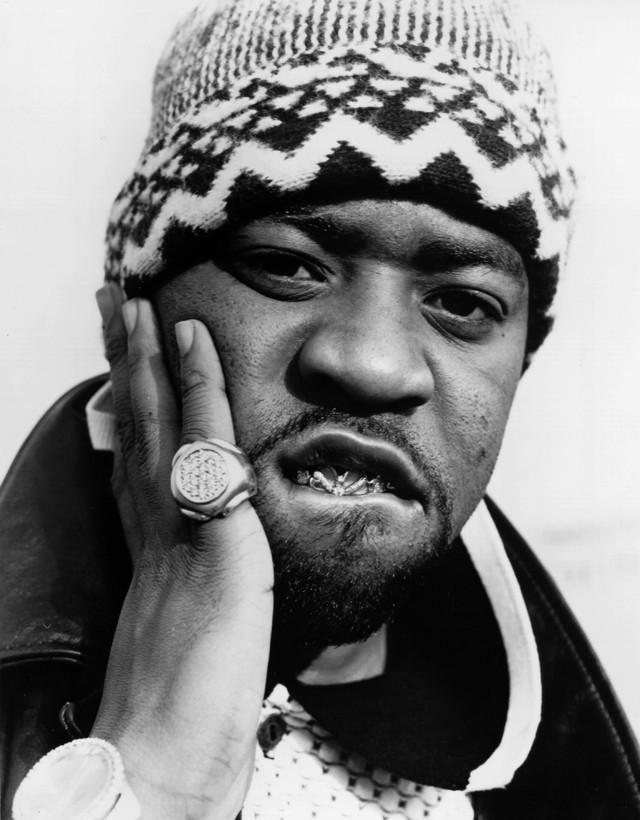
Cappadonna

Hip Hop
Contemporary Hip Hop
 Viberate Rank: 24096
 Viberate Rank: 24096
 Monthly ListenersFollowers
 Subscribers
 Followers
 Followers
 FansTop Spotify SongsTop YouTube Videos
| Video | 7-Day Views | |
|---|---|---|
1 | 93.02K | |
2 | 39.40K | |
3 | 8.57K | |
4 | 7.85K | |
5 | 4.45K |
Monthly ListenersFeatured in Playlists| Playlist | Followers | |
|---|---|---|
1 |  I Love My '90s Hip-Hop Spotify | 9.39M |
2 |  Old School Hip Hop Filtr Sweden | 779.30K |
3 |  Best Rap Songs of All Time IndieMassive Hits | 510.81K |
4 |  This Is Logic Spotify | 425.05K |
5 |  Raw & Uncut Spotify | 334.48K |
Audience| City | Monthly Listeners | |
|---|---|---|
1 | | 2.81K |
2 | | 2.35K |
3 |  | 2.02K |
4 |  | 1.91K |
5 | | 1.85K |
See full performance history, audience data, playlist activity, rankings, comparisons, and more in Viberate music analytics. Start with a free trial, then continue with a paid plan.
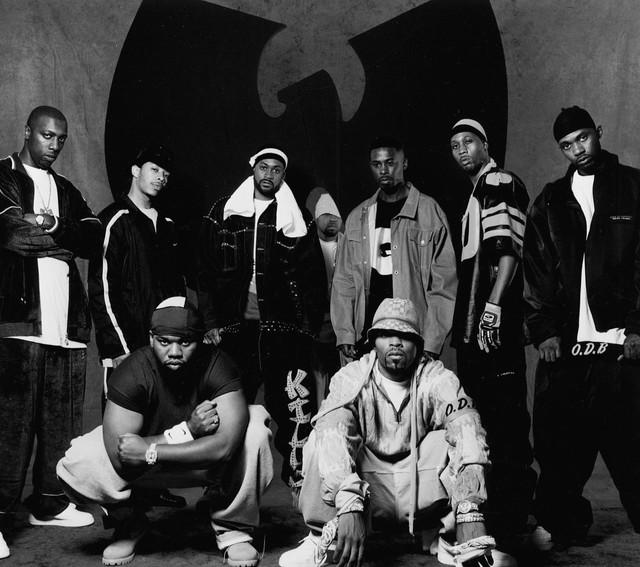
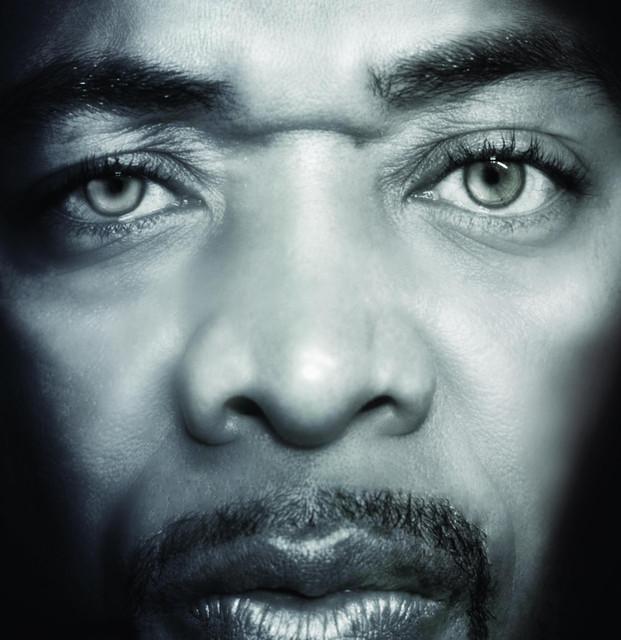
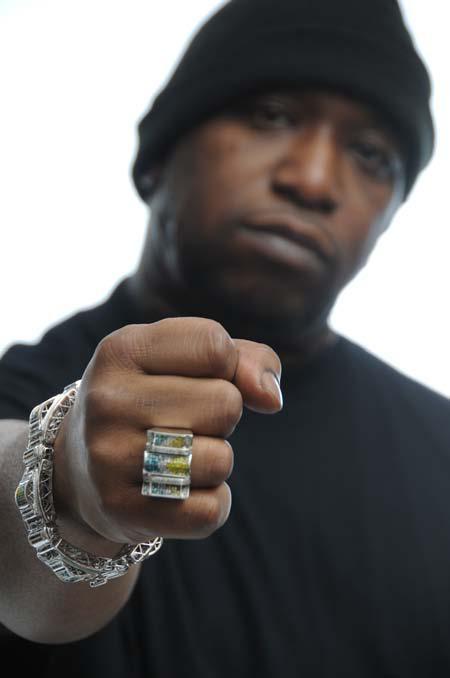
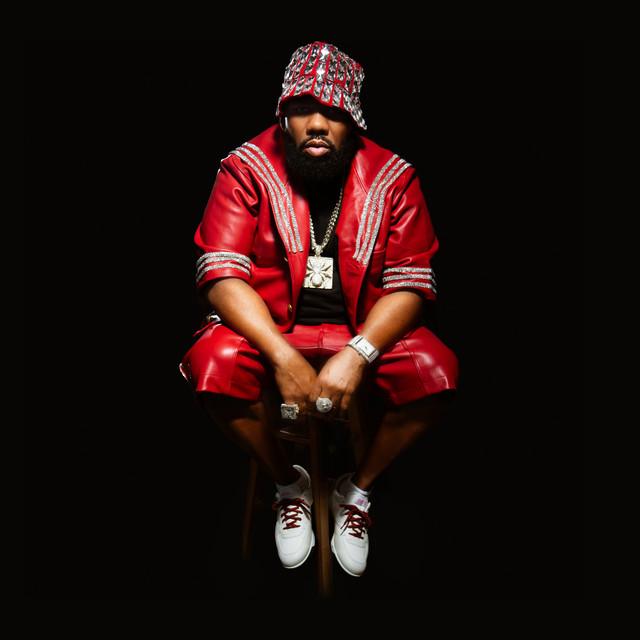
Cappadonna’s Spotify BioThough he was the last to join as an official member of the Wu-Tang Clan, Staten Island rapper Cappadonna was affiliated with the supergroup from their beginning. Starting in 1995, his cameo appearances dotted highlights of the sprawling Wu-related discography and his 1998 solo debut, The Pillage, served as a better-late-than-never entrance point for the rapper's steely East Coast rhyme styles.
Cappadonna was born Darryl Hill in 1969. Raised in the Staten Island borough of New York, Cappadonna was rapping in his early teens and was friends from a young age with future Wu-Tang members. He even made music with future Wu rapper U-God, and was part of an early iteration of what eventually became the Wu-Tang Clan. A prison sentence came in the way of a budding music career, however, and Cappadonna was replaced by Method Man as Wu-Tang began their rise to stardom. Once he was released, Cappadonna reconnected with his friends and made his recording debut with a verse on "Ice Cream," a standout… single on Raekwon's 1995 solo debut Only Built 4 Cuban Linx. The next year he was featured prominently on Ghostface Killah's Ironman and cemented his status as an official member of Wu-Tang Clan with his appearances on their 1997 sophomore effort Wu-Tang Forever. His 1998 solo debut, The Pillage, was another successful Wu-related release, hitting the Top 10 Billboard charts in its first week. A sophomore effort, The Yin and the Yang, followed in early 2001. The largely autobiographical The Struggle was released in September 2003 on the independent Artists & Producers label. Cappadonna continued appearing on Wu-Tang albums and Wu-adjacent projects such as the Ghostface-led Theodore Unit. For a brief time, he stepped away from the Wu-Tang Clan due to a dispute with RZA over royalties. Ultimately, amends were made and he appeared on the group's 2007 album 8 Diagrams. In 2011 he returned with The Pilgrimage, featuring multiple appearances from Inspectah Deck and Killa Black. His 2013 effort, Eyrth, Wynd & Fyre/Love Anger & Emotion, was a double-disc effort on RBC with the second disc introducing his protégés, rappers Lounge Mode and Sav Killz. Throughout the 2010s, Cappadonna stayed busy releasing projects that included 2013's Slang Prostitution, 2014's Hook Off, 2015's The Pillage 2, and 2018's Ear Candy. In 2019 he returned with "No Love Lost," a collaborative single with Joe Young and Hanz On that stuck closely to the classic Wu-Tang production style of hard-hitting drums and cinematic soul samples. ~ Fred Thomas, Rovi
Viberate is a music analytics platform built for A&Rs, artist managers, labels, booking agents, marketers, and artists.
It helps music professionals track artist growth, analyze audience data, monitor playlist activity, compare artists, follow song performance, and identify opportunities across the music market.
Public artist pages provide a free preview of selected artist data. Paid plans provide access to deeper analytics, historical data, charts, comparisons, playlist tools, exports, alerts, reports, and additional professional features.
Yes. Public Viberate artist pages provide selected artist analytics and music data for free.
Viberate also offers a 7-day free trial of the full platform. A credit card is required to start the trial. The trial includes access to the complete product so users can test deeper artist analytics, historical views, playlist insights, comparisons, charts, exports, alerts, and reporting features before choosing a paid plan.
Viberate provides artist analytics across streaming, playlists, social media, video, radio airplay, songs, and audience markets.
Users can analyze Spotify performance, Spotify and Apple Music playlists, YouTube activity, TikTok and Instagram growth, radio spins, song performance, audience locations, demographics, rankings, and overall artist momentum.
Artist profiles also connect to music charts, similar artists, and comparison tools, helping users benchmark performance and evaluate artists in context.
Viberate updates key artist and track data daily.
For followed artists and tracks, selected data is refreshed multiple times per day. This helps teams monitor playlist changes, streaming movement, audience growth, releases, and campaign performance with more current data.
Update frequency can vary depending on the metric and data source.
Yes. Viberate lets users compare up to five artists side by side across streaming, social media, audience, and engagement metrics.
Users can compare fanbase growth, audience demographics, locations, Spotify performance, social metrics, and other artist data over selected time periods.
Artist comparison can be used for A&R scouting, benchmarking, booking decisions, campaign planning, and evaluating artists with similar audiences or market positions.