Kool G Rap

Hip Hop
Boom Bap
Underground Hip Hop
 Viberate Rank: 22947
 Viberate Rank: 22947
 Monthly ListenersFollowers
 Subscribers
 Followers
 Followers
 FansTop Spotify Songs
| Track | 7-Day Streams | |
|---|---|---|
1 | 87.81K | |
2 | 42.81K | |
3 | 22.08K | |
4 | 21.85K | |
5 | 20.47K |
Top YouTube VideosMonthly ListenersFeatured in Playlists| Playlist | Followers | |
|---|---|---|
1 |  Old School Hip Hop Filtr Sweden | 779.30K |
2 |  Boom Bap Focus Spotify | 375.11K |
3 |  GTA San Andreas Radio Low Fidelity | 252.20K |
4 |  Green Room Joe Rogan | 123.81K |
5 |  Daily Favs - Fynn Kliemanns wichtigste Musik Fynn Kliemann | 96.13K |
Audience| City | Monthly Listeners | |
|---|---|---|
1 | | 5.70K |
2 |  | 3.96K |
3 | | 3.71K |
4 | | 3.63K |
5 |  | 3.39K |
See full performance history, audience data, playlist activity, rankings, comparisons, and more in Viberate music analytics. Start with a free trial, then continue with a paid plan.
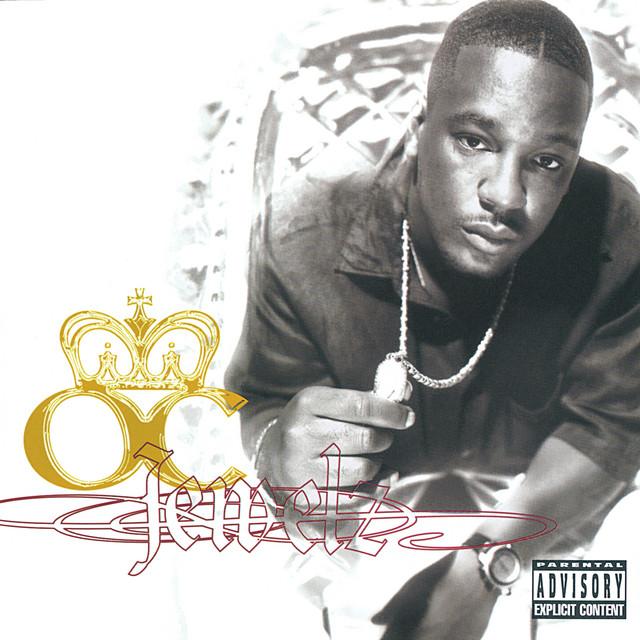
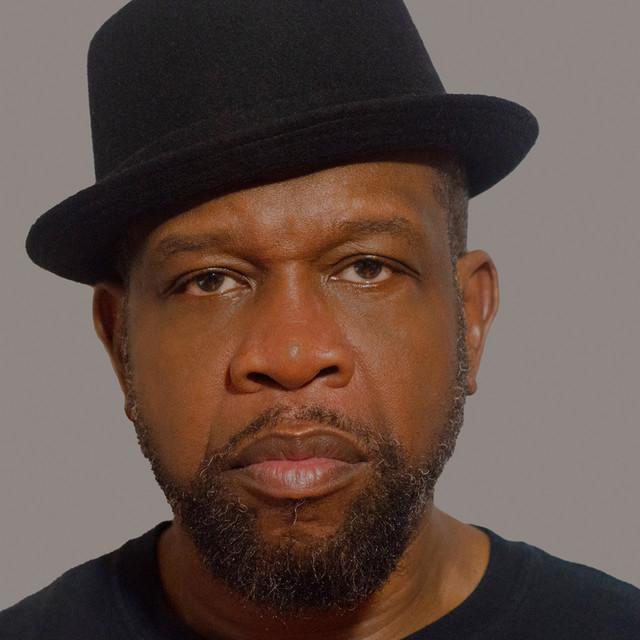
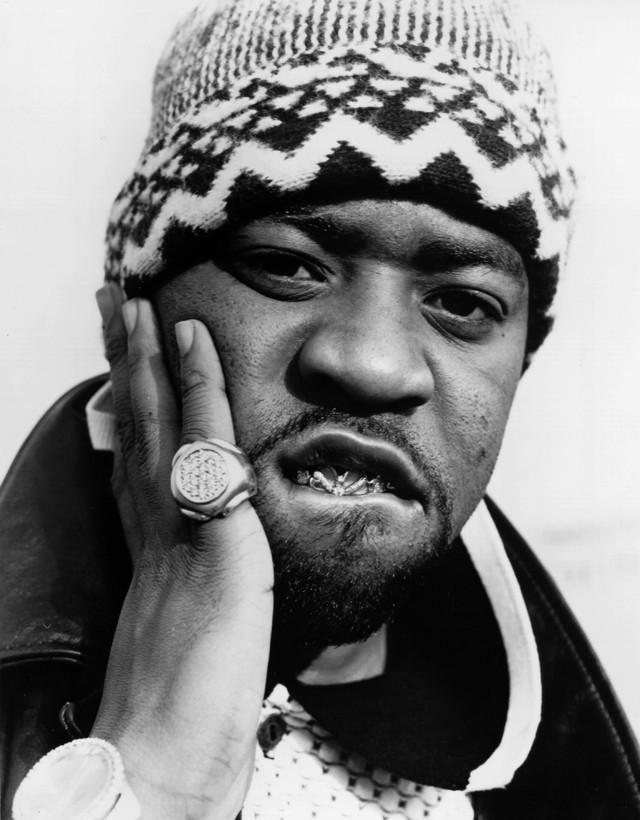
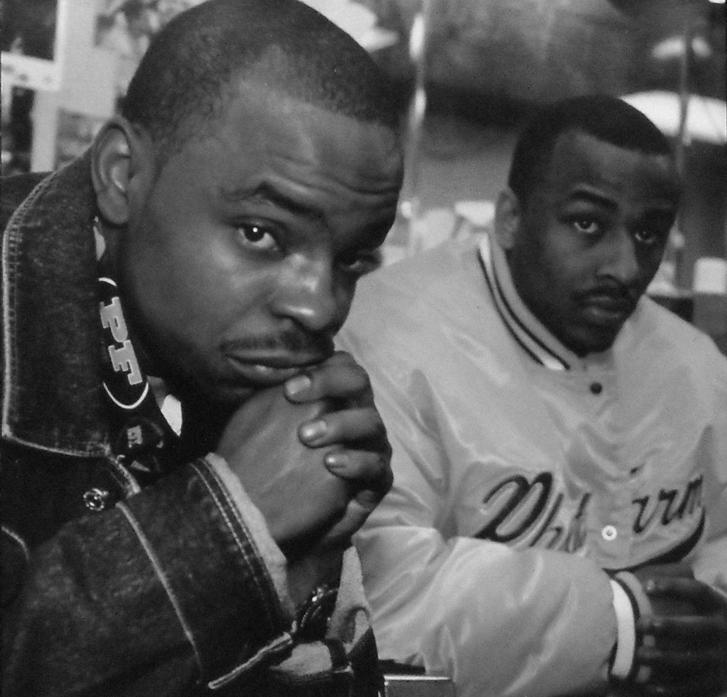
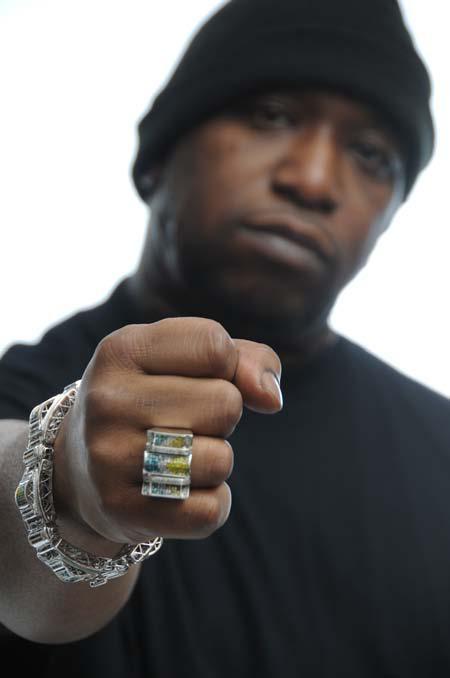
Kool G Rap’s Spotify BioAs part of the golden age MC-and-DJ tandem Kool G Rap & DJ Polo, the "Kool Genius of Rap" enjoyed a successful and, above all, influential run during the late '80s and early '90s before embarking on a fitful solo career. Born Nathaniel Wilson on July 20, 1968, in Queens, New York, Kool G Rap debuted in 1986 on Cold Chillin' Records with the It's a Demo/I'm Fly 12" single, produced by Marley Marl and billed to "DJ Polo & Kool G Rap" (the rapper's name would later come first, before the DJ's). A couple further singles followed -- Rikers Island/Rhyme Thyme (1987), Poison (1988) -- along with a Kool G Rap feature on Marley Marl's Juice Crew classic The Symphony (1988), before Kool G Rap & DJ Polo released their debut album, Road to the Riches (1989), on Cold Chillin'. Featuring each of their previously released singles, along with a couple new ones ("Road to the Riches," "Truly Yours"), Road to the Riches was a remarkable debut and proved highly influential. Two subsequent Kool G Rap & DJ… Polo albums, Wanted: Dead or Alive (1990) and Live and Let Die (1991), proved similarly influential and, though they tend to be less celebrated than Road to the Riches, are widely considered classics of the genre and are arguably better albums than the duo's debut.
Kool G Rap embarked on a solo career at this point, releasing 4, 5, 6 (1995) on Cold Chillin'. He released his second solo album, Roots of Evil (1998), on Illstreet Records, for Cold Chillin' had ceased operations. The latter album was not well received, at least relative to Kool G Rap's albums on Cold Chillin', and the rapper took some time off to regroup. He returned in 2000 with a promising 12" EP for Rawkus, The Streets, and then another, My Life, in 2001. Rawkus planned to release a full-length album by Kool G Rap, The Giancana Story, in fall 2001; however, when the label was abruptly shuttered and sold to MCA Records, the album didn't get released until over a year later, in November 2002, on Koch Records. Following this unfortunate turn of events, Kool G Rap went the independent route, releasing a collaborative album, Click of Respect (2003), on Blaze the World Records. Few heard that album, which was the last release by Kool G Rap for several years. It wasn't the last heard of the rapper, though, as he popped up on guest features now and then, most memorably alongside Big Daddy Kane on both the Roots' "Boom!" and UGK's "Next Up." He became more active on the album and mixtape front, releasing Dead or Alive (2006), Half a Klip (2007), The Veteran (2008), and Riches, Royalty & Respect (2011). In 2013, Kool G Rap released a collaborative project with underground rapper Necro, Once Upon a Crime, under the name the Godfathers. In 2017, the rapper returned to duty with Return of the Don, an album produced by Canadian DJ Moss and featuring guest appearances by Raekwon, Sean Price, N.O.R.E., and more. Kool Rap G's original accompanist DJ Polo died on July 27, 2024. ~ Jason Birchmeier, Rovi
Viberate is a music analytics platform built for A&Rs, artist managers, labels, booking agents, marketers, and artists.
It helps music professionals track artist growth, analyze audience data, monitor playlist activity, compare artists, follow song performance, and identify opportunities across the music market.
Public artist pages provide a free preview of selected artist data. Paid plans provide access to deeper analytics, historical data, charts, comparisons, playlist tools, exports, alerts, reports, and additional professional features.
Yes. Public Viberate artist pages provide selected artist analytics and music data for free.
Viberate also offers a 7-day free trial of the full platform. A credit card is required to start the trial. The trial includes access to the complete product so users can test deeper artist analytics, historical views, playlist insights, comparisons, charts, exports, alerts, and reporting features before choosing a paid plan.
Viberate provides artist analytics across streaming, playlists, social media, video, radio airplay, songs, and audience markets.
Users can analyze Spotify performance, Spotify and Apple Music playlists, YouTube activity, TikTok and Instagram growth, radio spins, song performance, audience locations, demographics, rankings, and overall artist momentum.
Artist profiles also connect to music charts, similar artists, and comparison tools, helping users benchmark performance and evaluate artists in context.
Viberate updates key artist and track data daily.
For followed artists and tracks, selected data is refreshed multiple times per day. This helps teams monitor playlist changes, streaming movement, audience growth, releases, and campaign performance with more current data.
Update frequency can vary depending on the metric and data source.
Yes. Viberate lets users compare up to five artists side by side across streaming, social media, audience, and engagement metrics.
Users can compare fanbase growth, audience demographics, locations, Spotify performance, social metrics, and other artist data over selected time periods.
Artist comparison can be used for A&R scouting, benchmarking, booking decisions, campaign planning, and evaluating artists with similar audiences or market positions.