Satan's Rats

Rock
Pop Rock
Garage Rock
 Viberate Rank: 322375
 Viberate Rank: 322375
 Monthly ListenersFollowers
 Subscribers
 Followers
 Followers
 FansTop Spotify Songs
| Track | 7-Day Streams | |
|---|---|---|
1 | 3.64K | |
2 | 413 | |
3 | 330 | |
4 | 172 | |
5 | 73 |
Top YouTube VideosMonthly ListenersFeatured in Playlists| Playlist | Followers | |
|---|---|---|
1 |  The Sound of Everything The Sounds of Spotify | 53.81K |
2 |  High Fidelity Official Playlist Danito | 47.69K |
3 |  Green Day: Punk Bunny Radio Green Day | 33.63K |
4 | British Punk Rock (1976 - Present) Punkyn | 14.78K |
5 |  Valentina Cesarini | 8.52K |
Audience| City | Monthly Listeners | |
|---|---|---|
1 |  | 306 |
2 | | 166 |
3 | | 149 |
4 | | 144 |
5 | | 142 |
See full performance history, audience data, playlist activity, rankings, comparisons, and more in Viberate music analytics. Start with a free trial, then continue with a paid plan.
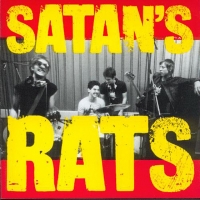
Satan's Rats’ Spotify BioSatan’s Rats formed in Evesham, Worcestershire in January 1977, with an average age of just seventeen.
Songs like the anthemic ‘Year Of The Rats’ about the demise of the old fart groups, their appearance at the Birmingham Punk Festival and support to the Sex Pistols at the Roxy soon saw the band build a large following and inevitably drew them to the attention of record labels.
Their first demo earned them a deal with DJM Records. Hardly a punk label, it was home to Elton John and Johnny Guitar Watson and also the enigmatic Rikki Sylvan (from Rikki & The Last Days Of Earth) who would produce their first two singles.
The first single ‘In My Love For You’ was released in 1977. Bob Geldof reviewed in the NME and slagged it off. The second single ‘Year Of The Rats’ released early in 1978 fared no better, sinking without a trace despite being regarded as something of a classic these days.
For their third single ’You Make Me Sick’ they had Vic Maile (Dr Feelgood/Fruit Eating Bears) as producer.… He managed to capture the anger of the band perfectly and this single, released in 1978 was undoubtedly their finest moment. Julie Burchill reviewed it in the NME, she hated it.
Later that year Paul Rencher quit, the band recruited vocalist Wendy Wu, changed their name to The Photos, signed to Epic and had a hit album.
Viberate is a music analytics platform built for A&Rs, artist managers, labels, booking agents, marketers, and artists.
It helps music professionals track artist growth, analyze audience data, monitor playlist activity, compare artists, follow song performance, and identify opportunities across the music market.
Public artist pages provide a free preview of selected artist data. Paid plans provide access to deeper analytics, historical data, charts, comparisons, playlist tools, exports, alerts, reports, and additional professional features.
Yes. Public Viberate artist pages provide selected artist analytics and music data for free.
Viberate also offers a 7-day free trial of the full platform. A credit card is required to start the trial. The trial includes access to the complete product so users can test deeper artist analytics, historical views, playlist insights, comparisons, charts, exports, alerts, and reporting features before choosing a paid plan.
Viberate provides artist analytics across streaming, playlists, social media, video, radio airplay, songs, and audience markets.
Users can analyze Spotify performance, Spotify and Apple Music playlists, YouTube activity, TikTok and Instagram growth, radio spins, song performance, audience locations, demographics, rankings, and overall artist momentum.
Artist profiles also connect to music charts, similar artists, and comparison tools, helping users benchmark performance and evaluate artists in context.
Viberate updates key artist and track data daily.
For followed artists and tracks, selected data is refreshed multiple times per day. This helps teams monitor playlist changes, streaming movement, audience growth, releases, and campaign performance with more current data.
Update frequency can vary depending on the metric and data source.
Yes. Viberate lets users compare up to five artists side by side across streaming, social media, audience, and engagement metrics.
Users can compare fanbase growth, audience demographics, locations, Spotify performance, social metrics, and other artist data over selected time periods.
Artist comparison can be used for A&R scouting, benchmarking, booking decisions, campaign planning, and evaluating artists with similar audiences or market positions.