Radio Stars

Punk
Punk Rock
Power Pop
 Viberate Rank: 343143
 Viberate Rank: 343143
 Monthly ListenersFollowers
 Subscribers
 Followers
 Followers
 FansTop Spotify Songs
| Track | 7-Day Streams | |
|---|---|---|
1 | 924 | |
2 | 134 | |
3 | 128 | |
4 | 98 | |
5 | 92 |
Top YouTube Videos| Video | 7-Day Views | |
|---|---|---|
1 | 14 |
Monthly ListenersFeatured in Playlists| Playlist | Followers | |
|---|---|---|
1 |  High Fidelity Official Playlist Danito | 47.73K |
2 |  The Evolution of Punk (In Chronological Order) kingfirley | 16.17K |
3 |  Valentina Cesarini | 8.52K |
4 |  Legends of Classic Rock Patrick Hollain | 6.04K |
5 |  pure old gold maju trindade | 5.06K |
Audience| City | Monthly Listeners | |
|---|---|---|
1 | | 79 |
2 |  | 62 |
3 | | 57 |
4 |  | 56 |
5 | | 49 |
See full performance history, audience data, playlist activity, rankings, comparisons, and more in Viberate music analytics. Start with a free trial, then continue with a paid plan.
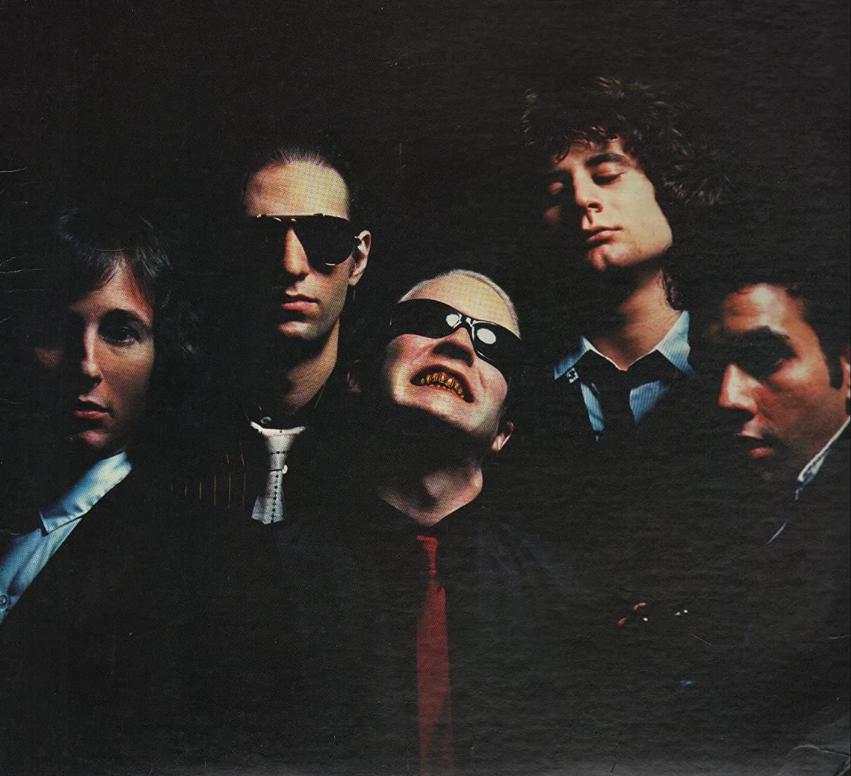
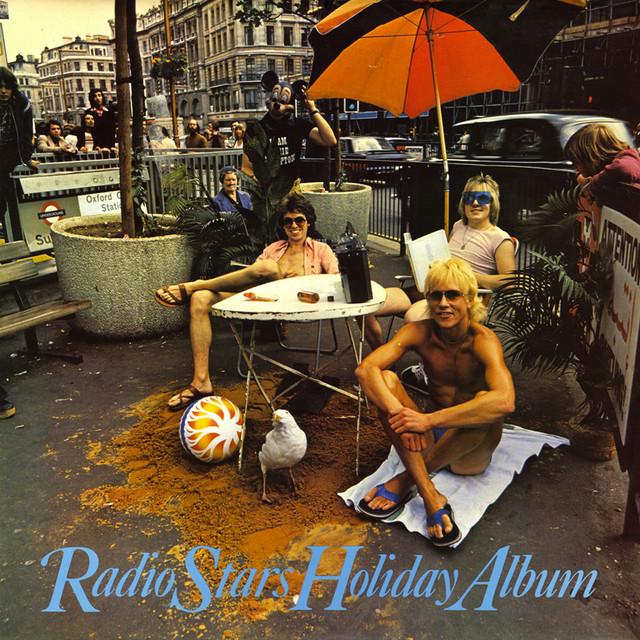
Radio Stars’ Spotify BioFollowing the end of their underachieving glam supergroup Jet in 1976, the Radio Stars were formed by ex-John's Children vocalist Andy Ellison,Sparks exile Martin Gordon (bass, songwriting), and Ian MacLeod (guitar) in 1977. Later adding Steve Perry on drums, the group signed to Chiswick Records and released its debut album, Songs for Swinging Lovers, in 1977. On the fringes of both the punk and new wave scene, the Radio Stars were at heart a quirky rock band built around Gordon's songs and Ellison's enthusiastic vocals. Adding Trevor White (who was also in both Sparks and Jet) in 1978 they put out their second, somewhat disappointing record, Holiday Album. Gordon left soon after the record tanked, effectively ending the band, though Ellison attempted to revive the band's name to little success in the '80s. The group's recordings have been anthologized twice, first on 1982's Two Minutes Mr. Smith by the tiny Moonlight label, then on 1992's Somewhere There's a Place for Us by Ace. ~… Tim Sendra, Rovi
Viberate is a music analytics platform built for A&Rs, artist managers, labels, booking agents, marketers, and artists.
It helps music professionals track artist growth, analyze audience data, monitor playlist activity, compare artists, follow song performance, and identify opportunities across the music market.
Public artist pages provide a free preview of selected artist data. Paid plans provide access to deeper analytics, historical data, charts, comparisons, playlist tools, exports, alerts, reports, and additional professional features.
Yes. Public Viberate artist pages provide selected artist analytics and music data for free.
Viberate also offers a 7-day free trial of the full platform. A credit card is required to start the trial. The trial includes access to the complete product so users can test deeper artist analytics, historical views, playlist insights, comparisons, charts, exports, alerts, and reporting features before choosing a paid plan.
Viberate provides artist analytics across streaming, playlists, social media, video, radio airplay, songs, and audience markets.
Users can analyze Spotify performance, Spotify and Apple Music playlists, YouTube activity, TikTok and Instagram growth, radio spins, song performance, audience locations, demographics, rankings, and overall artist momentum.
Artist profiles also connect to music charts, similar artists, and comparison tools, helping users benchmark performance and evaluate artists in context.
Viberate updates key artist and track data daily.
For followed artists and tracks, selected data is refreshed multiple times per day. This helps teams monitor playlist changes, streaming movement, audience growth, releases, and campaign performance with more current data.
Update frequency can vary depending on the metric and data source.
Yes. Viberate lets users compare up to five artists side by side across streaming, social media, audience, and engagement metrics.
Users can compare fanbase growth, audience demographics, locations, Spotify performance, social metrics, and other artist data over selected time periods.
Artist comparison can be used for A&R scouting, benchmarking, booking decisions, campaign planning, and evaluating artists with similar audiences or market positions.