Zounds

Punk
Punk Rock
Post Punk
 Viberate Rank: 182352
 Viberate Rank: 182352
 Monthly ListenersFollowers
 Subscribers
 Followers
 Followers
 FansTop Spotify Songs
| Track | 7-Day Streams | |
|---|---|---|
1 | 5.74K | |
2 | 2.36K | |
3 | 2.35K | |
4 | 1.72K | |
5 | 929 |
Top YouTube VideosMonthly ListenersFeatured in Playlists| Playlist | Followers | |
|---|---|---|
1 | "Perfect" Songs of All Genres, According to Various Forums (In NO Particular Order) For The Music Aficionados | 17.87K |
2 | Dark Postpunk | Coldwave | Darkwave by Darklark darklark | 15.01K |
3 |  80's PUNK ROCK kristian | 14.71K |
4 | Annie Dark | 10.46K |
5 |  The Sound of Crust Punk The Sounds of Spotify | 9.62K |
Audience| City | Monthly Listeners | |
|---|---|---|
1 |  | 675 |
2 | | 405 |
3 | | 295 |
4 |  | 292 |
5 |  | 276 |
See full performance history, audience data, playlist activity, rankings, comparisons, and more in Viberate music analytics. Start with a free trial, then continue with a paid plan.
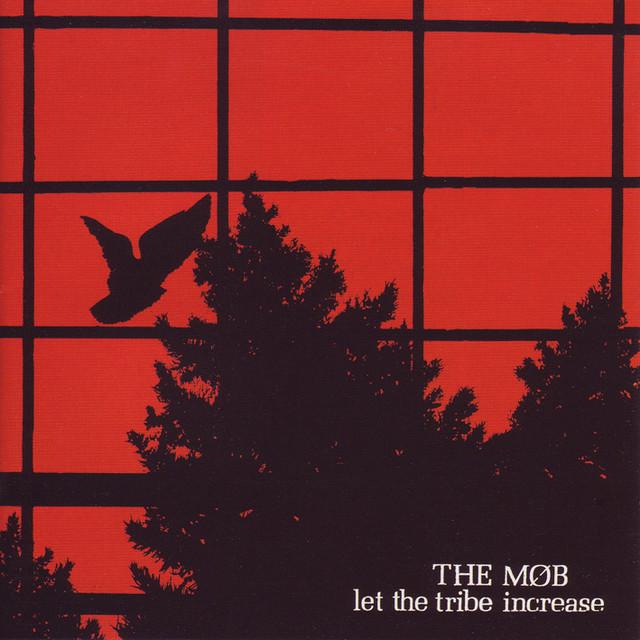
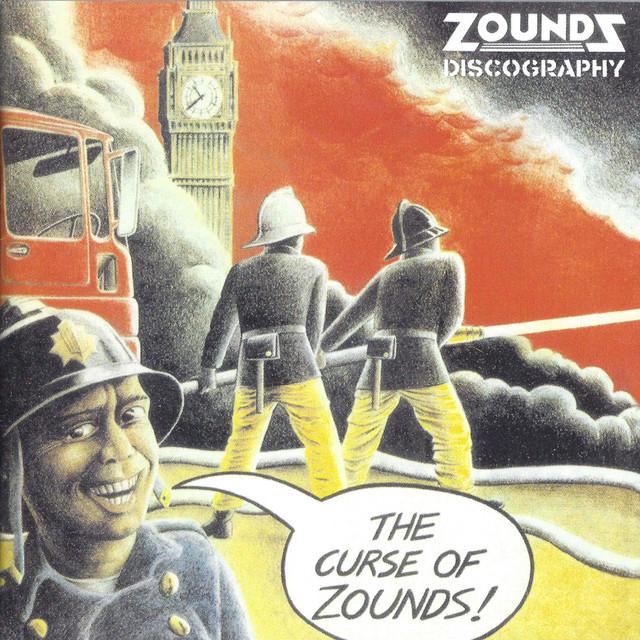
Zounds’ Spotify BioZounds were an anarchist post-punk band with an altogether gloomier and more polished sound than the abrasive crash'n'bash of their mentors in Crass. Formed in 1977, Zounds was the brainchild of bassist/vocalist Steve Lake, a native of Reading who'd moved to Oxford and lived in a squatters community. The initial lineup included Lake, guitarist Steve Burch, and drummer Jimmy Lacey, and early on was influenced by psychedelia and Krautrock just as much as punk. Second guitarist Nick Godwin soon joined up, and Burch left before any material had been recorded, to be replaced by Lawrence Wood. The quartet spent most of their time touring the free festival circuit until meeting Crass, whose anarchist politics had a major impact on Lake. The group cut a demo and sent it to Crass, in the midst of personnel turnover: Godwin left, and Lacey was shown the door in favor of Joseph Porter. Crass signed Zounds to its own Crass label, and in 1980 issued the band's three-song debut single, "Can't Crash… Karma"/"War"/"Subvert." Crass' Penny Rimbaud, who produced the single, had Zounds use a session drummer on the single, as Porter wasn't quite up to speed technically yet. Another single, "Demystification," appeared on Crass's former label, Rough Trade, in 1981. Rough Trade also issued the band's first (and only) album, The Curse of Zounds, in 1982; its claustrophobic paranoia won generally good reviews, but the record slipped under the radar of most listeners outside the anarchist punk community. Two non-LP singles, the Mikey Dread-produced "Dancing" and "More Trouble Coming Every Day," appeared later in the year, amid more personnel shifts. Keyboardist Brian Pugsley briefly became an official member, and Mob drummer Tim Hutton came on as the bassist, with Lake switching to guitar alongside Wood. Exhaustion was setting in, however, and after one more perfunctory EP -- 1983's La Vache Qui Rit -- Zounds called it quits. Lake and Wood briefly reteamed with Godwin in the World Service, but soon broke up. In 1997, Broken Rekids reissued Curse of the Zounds on CD, with their previous singles added as bonus tracks. Lake re-formed Zounds in 1998 with a lineup of bassist Protag (ex-Blyth Power) and drummer Stick (Extreme Noise Terror), and cut a benefit single, "This Land," in support of Dave Morris, the man sued by the McDonald's corporation for libel. ~ Steve Huey, Rovi
Viberate is a music analytics platform built for A&Rs, artist managers, labels, booking agents, marketers, and artists.
It helps music professionals track artist growth, analyze audience data, monitor playlist activity, compare artists, follow song performance, and identify opportunities across the music market.
Public artist pages provide a free preview of selected artist data. Paid plans provide access to deeper analytics, historical data, charts, comparisons, playlist tools, exports, alerts, reports, and additional professional features.
Yes. Public Viberate artist pages provide selected artist analytics and music data for free.
Viberate also offers a 7-day free trial of the full platform. A credit card is required to start the trial. The trial includes access to the complete product so users can test deeper artist analytics, historical views, playlist insights, comparisons, charts, exports, alerts, and reporting features before choosing a paid plan.
Viberate provides artist analytics across streaming, playlists, social media, video, radio airplay, songs, and audience markets.
Users can analyze Spotify performance, Spotify and Apple Music playlists, YouTube activity, TikTok and Instagram growth, radio spins, song performance, audience locations, demographics, rankings, and overall artist momentum.
Artist profiles also connect to music charts, similar artists, and comparison tools, helping users benchmark performance and evaluate artists in context.
Viberate updates key artist and track data daily.
For followed artists and tracks, selected data is refreshed multiple times per day. This helps teams monitor playlist changes, streaming movement, audience growth, releases, and campaign performance with more current data.
Update frequency can vary depending on the metric and data source.
Yes. Viberate lets users compare up to five artists side by side across streaming, social media, audience, and engagement metrics.
Users can compare fanbase growth, audience demographics, locations, Spotify performance, social metrics, and other artist data over selected time periods.
Artist comparison can be used for A&R scouting, benchmarking, booking decisions, campaign planning, and evaluating artists with similar audiences or market positions.