The Zeros

Punk
Punk Rock
Power Pop
 Viberate Rank: 208138
 Viberate Rank: 208138
 Monthly ListenersFollowers
 Subscribers
 Followers
 Followers
 FansTop Spotify Songs
| Track | 7-Day Streams | |
|---|---|---|
1 | 10.98K | |
2 | 1.86K | |
3 | 1.15K | |
4 | 884 | |
5 | 642 |
Top YouTube VideosMonthly ListenersFeatured in Playlists| Playlist | Followers | |
|---|---|---|
1 | GTA V Songs Leroy Witkamp | 54.39K |
2 |  Classic Punk 70's & 80's Diego Salazar | 31.81K |
3 |  Channel X (GTAV) Rockstar Games | 26.09K |
4 |  1990s Punk & Indie Numero Group | 16.20K |
5 | The ULTIMATE Skate Punk and Punk Rock Playlist Pizza with Film | 12.95K |
Audience| City | Monthly Listeners | |
|---|---|---|
1 | | 858 |
2 | | 407 |
3 | | 335 |
4 |  | 316 |
5 |  | 276 |
See full performance history, audience data, playlist activity, rankings, comparisons, and more in Viberate music analytics. Start with a free trial, then continue with a paid plan.
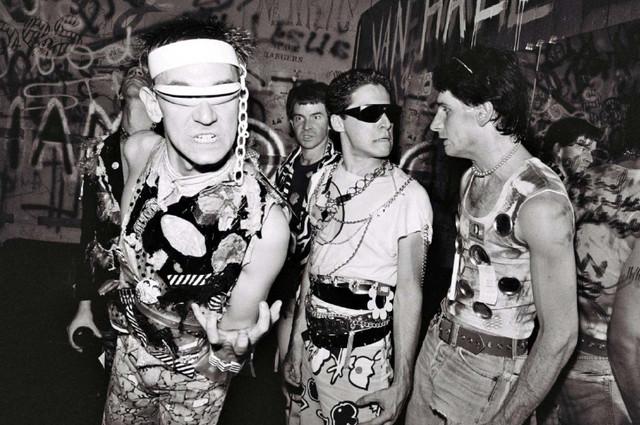
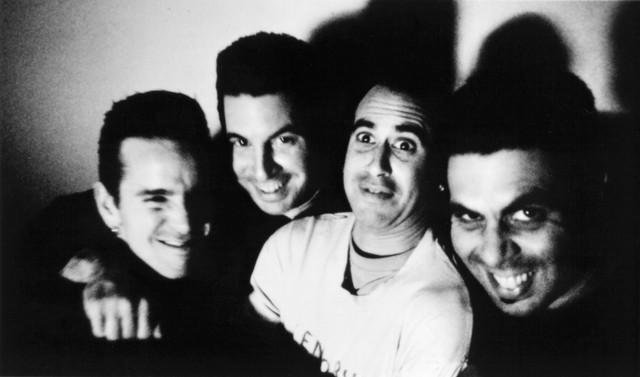
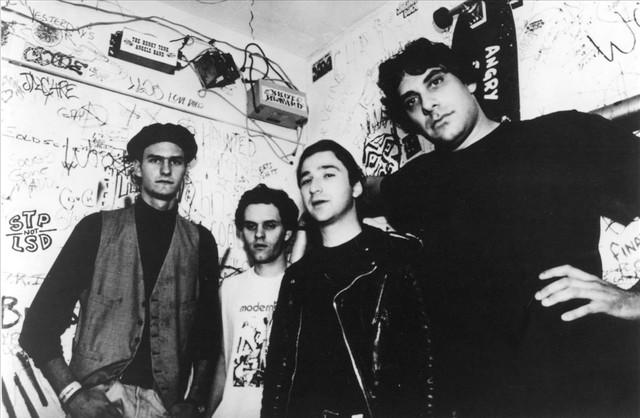
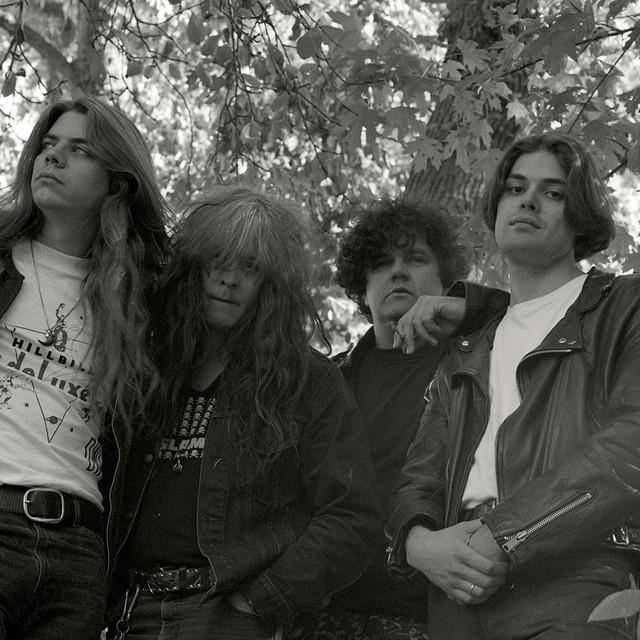
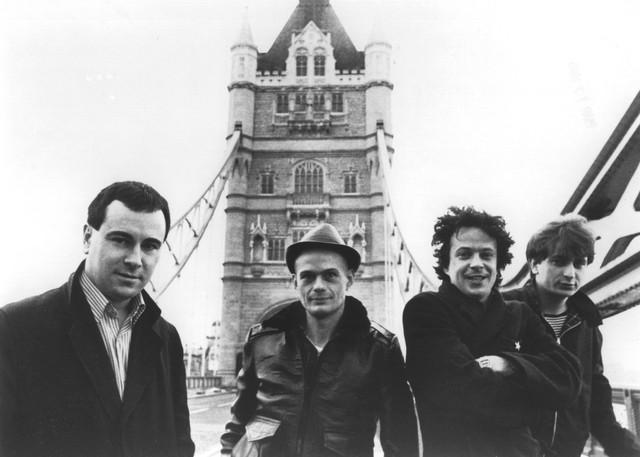
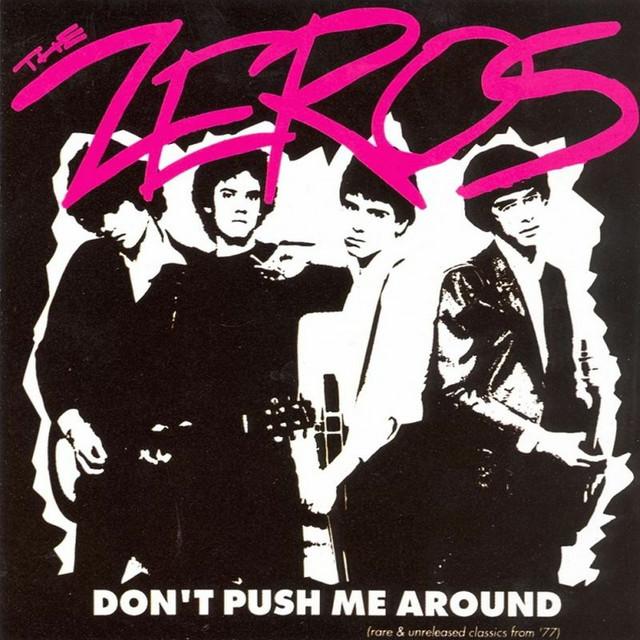
The Zeros’ Spotify BioOften referred to as "the Mexican Ramones," the Zeros (guitarist and singer Javier Escovedo, second guitarist Robert Lopez, bassist Hector Peñalosa, and drummer Baba Chenelle) were just one of many contributors to the L.A. punk explosion in the late '70s. Although they never received the acclaim of such L.A. peers as Black Flag, the Circle Jerks, or X, the Zeros made admirers out of such renowned artists as Tom Waits, Patti Smith, and the Damned, played numerous West Coast shows with the likes of Dils, Avengers, X, Plugz, Nerves, and Wipers, and even gave the Germs their very first live gig -- opening for them in 1977. The group was first formed in 1976, and were initially known as "the Main Street Brats" -- but by the time of their first show, they had settled on the name the Zeros. Although the quartet broke up in 1981, the Zeros have re-formed sporadically for live shows (such as a 1991 benefit show for ailing punk rocker/writer Craig Lee, and a few years later, Bomp Records' 25th… anniversary party), and a full album -- 1999's Right Now! In addition, several of the Zeros' compositions have been covered by other bands around the world, including Spain's La Secta ("Wild Weekend"), Australia's Hoodoo Gurus, Sweden's the Nomads ("Wimp"), and Hollywood's the Muffs ("Beat Your Heart Out"). ~ Greg Prato, Rovi
Viberate is a music analytics platform built for A&Rs, artist managers, labels, booking agents, marketers, and artists.
It helps music professionals track artist growth, analyze audience data, monitor playlist activity, compare artists, follow song performance, and identify opportunities across the music market.
Public artist pages provide a free preview of selected artist data. Paid plans provide access to deeper analytics, historical data, charts, comparisons, playlist tools, exports, alerts, reports, and additional professional features.
Yes. Public Viberate artist pages provide selected artist analytics and music data for free.
Viberate also offers a 7-day free trial of the full platform. A credit card is required to start the trial. The trial includes access to the complete product so users can test deeper artist analytics, historical views, playlist insights, comparisons, charts, exports, alerts, and reporting features before choosing a paid plan.
Viberate provides artist analytics across streaming, playlists, social media, video, radio airplay, songs, and audience markets.
Users can analyze Spotify performance, Spotify and Apple Music playlists, YouTube activity, TikTok and Instagram growth, radio spins, song performance, audience locations, demographics, rankings, and overall artist momentum.
Artist profiles also connect to music charts, similar artists, and comparison tools, helping users benchmark performance and evaluate artists in context.
Viberate updates key artist and track data daily.
For followed artists and tracks, selected data is refreshed multiple times per day. This helps teams monitor playlist changes, streaming movement, audience growth, releases, and campaign performance with more current data.
Update frequency can vary depending on the metric and data source.
Yes. Viberate lets users compare up to five artists side by side across streaming, social media, audience, and engagement metrics.
Users can compare fanbase growth, audience demographics, locations, Spotify performance, social metrics, and other artist data over selected time periods.
Artist comparison can be used for A&R scouting, benchmarking, booking decisions, campaign planning, and evaluating artists with similar audiences or market positions.