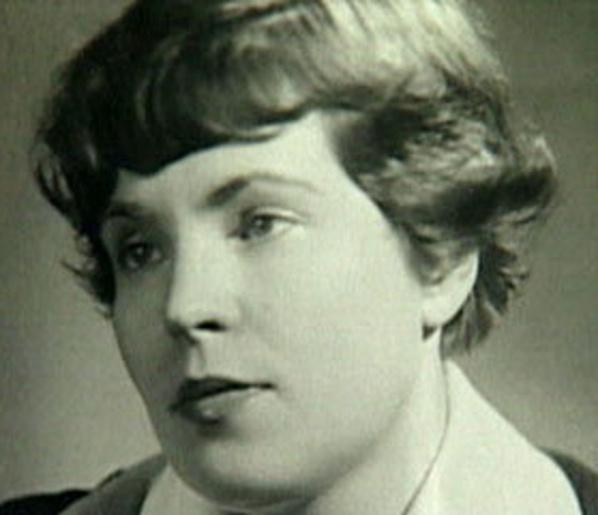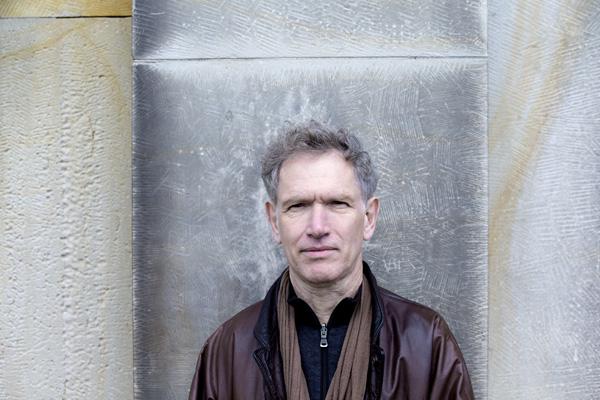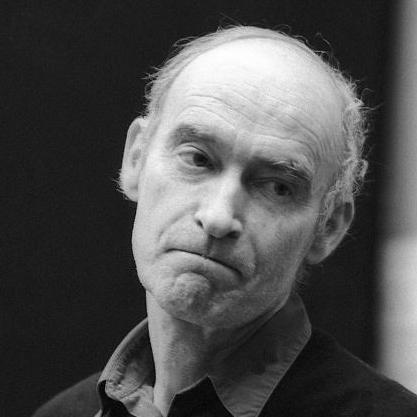
Salvatore Sciarrino

Classical
Classical Crossover
 Viberate Rank: 368385
 Viberate Rank: 368385
 Monthly ListenersFollowers
 Subscribers
 Followers
 Followers
 FansTop Spotify SongsTop YouTube VideosMonthly ListenersFeatured in Playlists
| Playlist | Followers | |
|---|---|---|
1 |  The Sound of Everything The Sounds of Spotify | 53.83K |
2 |  NPR Classical NPR Music | 14.44K |
3 |  Danny L Harle's HUGE PLAYLIST Danny L Harle | 13.97K |
4 |  ECM Records: 2001 - 2603 Ulysses' Classical | 2.92K |
5 |  Alex Ross's The Rest is Noise aidanosu | 2.70K |
Audience| City | Monthly Listeners | |
|---|---|---|
1 |  | 24 |
2 | | 24 |
3 | | 24 |
4 |  | 23 |
5 |  | 19 |
See full performance history, audience data, playlist activity, rankings, comparisons, and more in Viberate music analytics. Start with a free trial, then continue with a paid plan.
Salvatore Sciarrino’s Spotify BioSalvatore Sciarrino is a contemporary Italian composer, and influential leader in avant-garde music. His music often utilizes unconventional methods of tone production such as harmonics, percussive sounds, and silence. He is one of the most well-known and frequently performed composers, with over 100 of his works recorded. He was born in Palermo in 1947, and his first childhood interest was painting. He discovered his fascination for music later and started teaching himself around the age of 10. He received some musical guidance from Antonio Titone in 1959, and in 1962 his music was first performed in public at the Palermo New Music Week festival. Sciarrino continued his self-guided musical education, and he also took some music lessons from Turi Belfiore in 1964. During this period, he composed incidental music, and works for piano, organ, and strings. In 1968, Aka Aka To was premiered in Palermo, and String Quartet No. 2 was premiered in Rome. He continued his studies in Rome and in… 1969 he attended the electronic music course taught by Franco Evangelisti at the Accademia di Santa Cecilia. Sciarrino began experimenting with texture, silence, and alternative methods of sound production. These concepts can be heard in many of his works from the 1970s including Amore e Psyche, and Un‘immagine d'Arpocrate. He also became inspired by the musicianship of Aldo Bennici, Salvatore Accardo, and Roberto Fabbriciani, and he wrote several virtuosic solo pieces for viola, violin, and flute. His stay in Rome ended in 1977, when he moved to Milan for a teaching position at the Milan Conservatory. Additionally, he was appointed artistic director of the Teatro Comunale di Bologna from 1978 to 1980. It was also around this time when he became interested in American popular song, and he composed Cailles en sacophage, Efebo con radio, and Vanitas, which was based on Hoagy Carmichael’s Stardust. As his reputation as a composer was quickly growing, Sciarrino left his position at the conservatory in 1982 so he could focus on composing. Seeking a greater degree of isolation, he moved to Città di Castello, in the central Italian province of Perugia. Through the 1980s and 1990s, he taught in Perugia and Florence, and he gave masterclasses both locally and abroad. In 1998 he published a book about musical form, Le figure della musica, da Beethoven a oggi, and he has published many other articles and essays. Sciarrino has taught at the Accademia Musicale Chigiana, in Siena, Italy, since 2013, and he remains very active as a composer. His works have been recorded by countless artists, including Nils Mönkemeyer, Michael Barenboim, and Claudio Ortensi. ~ RJ Lambert, Rovi
Viberate is a music analytics platform built for A&Rs, artist managers, labels, booking agents, marketers, and artists.
It helps music professionals track artist growth, analyze audience data, monitor playlist activity, compare artists, follow song performance, and identify opportunities across the music market.
Public artist pages provide a free preview of selected artist data. Paid plans provide access to deeper analytics, historical data, charts, comparisons, playlist tools, exports, alerts, reports, and additional professional features.
Yes. Public Viberate artist pages provide selected artist analytics and music data for free.
Viberate also offers a 7-day free trial of the full platform. A credit card is required to start the trial. The trial includes access to the complete product so users can test deeper artist analytics, historical views, playlist insights, comparisons, charts, exports, alerts, and reporting features before choosing a paid plan.
Viberate provides artist analytics across streaming, playlists, social media, video, radio airplay, songs, and audience markets.
Users can analyze Spotify performance, Spotify and Apple Music playlists, YouTube activity, TikTok and Instagram growth, radio spins, song performance, audience locations, demographics, rankings, and overall artist momentum.
Artist profiles also connect to music charts, similar artists, and comparison tools, helping users benchmark performance and evaluate artists in context.
Viberate updates key artist and track data daily.
For followed artists and tracks, selected data is refreshed multiple times per day. This helps teams monitor playlist changes, streaming movement, audience growth, releases, and campaign performance with more current data.
Update frequency can vary depending on the metric and data source.
Yes. Viberate lets users compare up to five artists side by side across streaming, social media, audience, and engagement metrics.
Users can compare fanbase growth, audience demographics, locations, Spotify performance, social metrics, and other artist data over selected time periods.
Artist comparison can be used for A&R scouting, benchmarking, booking decisions, campaign planning, and evaluating artists with similar audiences or market positions.