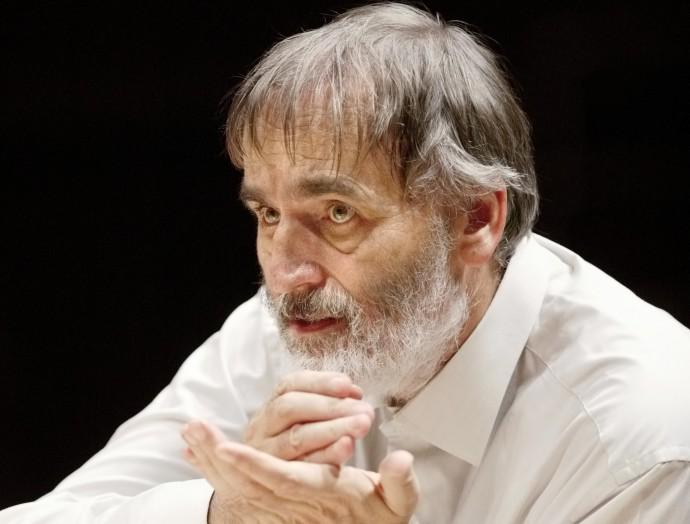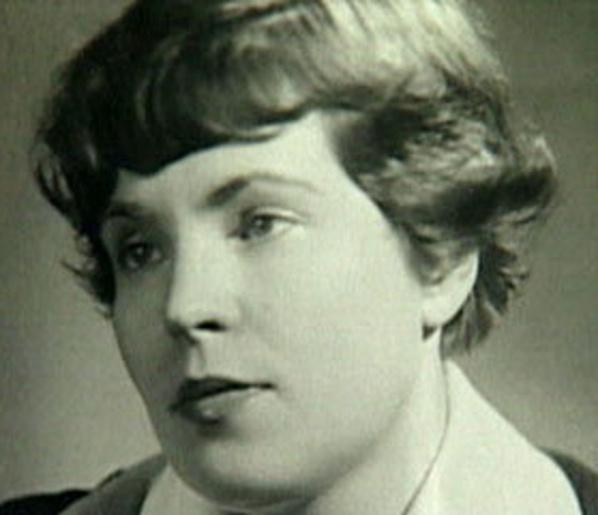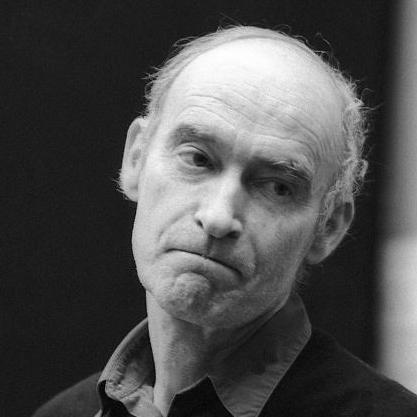
Christian Wolff

Classical
Classical Crossover
 Viberate Rank: 426374
 Viberate Rank: 426374
 Monthly ListenersFollowers
 Subscribers
 Followers
 Followers
 FansTop Spotify Songs
| Track | 7-Day Streams | |
|---|---|---|
1 | 76 | |
2 | 68 | |
3 | 64 | |
4 | 61 | |
5 | 60 |
Top YouTube VideosMonthly ListenersFeatured in Playlists| Playlist | Followers | |
|---|---|---|
1 |  Gruselkabinett - Alle Hörspiele lismio: Top Serien & Reihen | 7.37K |
2 |  Musique Classique (classical music) Armand Paris | 3.51K |
3 |  Elektroniskt i P2 P2 Sveriges Radio | 2.74K |
4 |  Alex Ross's The Rest is Noise aidanosu | 2.70K |
5 |  Gruselkabinett alle Folgen madmeggo | 1.67K |
Audience| City | Monthly Listeners | |
|---|---|---|
1 | | 10 |
2 |  | 9 |
3 |  | 9 |
4 | | 7 |
5 | | 6 |
See full performance history, audience data, playlist activity, rankings, comparisons, and more in Viberate music analytics. Start with a free trial, then continue with a paid plan.
Christian Wolff’s Spotify BioAlongside John Cage, Morton Feldman, and Earle Brown, composer Christian Wolff emerged in the 1950s on the New York experimental music scene and became a prominent champion of the aesthetics of musical indeterminism. His works, which became increasingly explicit in their political content as his career progressed, stress choice, artistic cooperation and interdependence, and an accommodating attitude toward the potential relationships between music, sound, and silence.
Wolff was born in Nice, France, but moved to the United States during his childhood. He took a rather indirect route to composition, studying classics and comparative literature at Harvard University, where he also taught, before taking positions in both music and literature at Mills College and later Dartmouth. Though active as a pianist and electric guitarist throughout his career, he was largely self-taught as a composer, and from the beginning his works relied more on careful aesthetic design than compositional "craft"… in the traditional sense. This is not to say, however, that his compositions lack depth or complexity; indeed, they point up some of the most crucial philosophical issues of his time, and do so in a way that engages and invites close listening and careful consideration.
Although his works of the 1950s already conveyed a decidedly "democratic" subtext, with their reliance on freedom and reaction ("parliamentary participation"), they did so through traditional notation and sometimes invoked, however obscurely, traditional forms. The flexibility of their realizations owed to Cage's influence, while their sparse surfaces recalled Webern, and in some cases resonated with La Monte Young's early works. Wolff's compositions from the late 1950s and 1960s placed increased effort on real-time cooperation between performers, who worked somewhat freely, within certain set parameters (set durations with unspecified pitches, for example), but were required to alter their performative decisions consequent to each other's actions.
Wolff explicitly drew analogies between his compositional methods and political views, and during the 1970s even set texts related to his democratic socialist positions. This effort coincided with similar artistic endeavors espoused by Cornelius Cardew and Frederic Rzewski, both of whom Wolff interacted with during this period. Later works turned inwards to more specifically musical topics, perhaps due in part to Wolff's somewhat self-effacing assessment of the composer's role. As he observed in a 1991 interview: "Most political music, paradoxically enough, is for the converted; it's an instrument of cohesion for a group that already knows what it wants...."
Viberate is a music analytics platform built for A&Rs, artist managers, labels, booking agents, marketers, and artists.
It helps music professionals track artist growth, analyze audience data, monitor playlist activity, compare artists, follow song performance, and identify opportunities across the music market.
Public artist pages provide a free preview of selected artist data. Paid plans provide access to deeper analytics, historical data, charts, comparisons, playlist tools, exports, alerts, reports, and additional professional features.
Yes. Public Viberate artist pages provide selected artist analytics and music data for free.
Viberate also offers a 7-day free trial of the full platform. A credit card is required to start the trial. The trial includes access to the complete product so users can test deeper artist analytics, historical views, playlist insights, comparisons, charts, exports, alerts, and reporting features before choosing a paid plan.
Viberate provides artist analytics across streaming, playlists, social media, video, radio airplay, songs, and audience markets.
Users can analyze Spotify performance, Spotify and Apple Music playlists, YouTube activity, TikTok and Instagram growth, radio spins, song performance, audience locations, demographics, rankings, and overall artist momentum.
Artist profiles also connect to music charts, similar artists, and comparison tools, helping users benchmark performance and evaluate artists in context.
Viberate updates key artist and track data daily.
For followed artists and tracks, selected data is refreshed multiple times per day. This helps teams monitor playlist changes, streaming movement, audience growth, releases, and campaign performance with more current data.
Update frequency can vary depending on the metric and data source.
Yes. Viberate lets users compare up to five artists side by side across streaming, social media, audience, and engagement metrics.
Users can compare fanbase growth, audience demographics, locations, Spotify performance, social metrics, and other artist data over selected time periods.
Artist comparison can be used for A&R scouting, benchmarking, booking decisions, campaign planning, and evaluating artists with similar audiences or market positions.