Ross Wilson

Rock
Pop Rock
Alternative Rock
 Viberate Rank: 163929
 Viberate Rank: 163929
 Monthly ListenersFollowers
 Subscribers
 Followers
 Followers
 FansTop Spotify Songs
| Track | 7-Day Streams | |
|---|---|---|
1 | 4.64K | |
2 | 2.04K | |
3 | 1.70K | |
4 | 465 | |
5 | 217 |
Top YouTube VideosMonthly ListenersFeatured in Playlists| Playlist | Followers | |
|---|---|---|
1 |  The Wiggles Complete Collection 🎵 Kids Songs and Nursery Rhymes for Toddlers The Wiggles | 39.65K |
2 |  Aussie 80's Pub Classics mikestomcat | 37.31K |
3 |  New Blues | Blues Rock | Americana 🎸 by Don's Tunes Don's Tunes | 28.47K |
4 |  Australia Day - Top 100 Songs by Digga Australia Digga Aus | 8.71K |
5 |  Australian Acoustic Classics Mushroom Group | 8.58K |
Audience| City | Monthly Listeners | |
|---|---|---|
1 | | 3.88K |
2 | | 3.55K |
3 | | 3.25K |
4 | | 1.40K |
5 | | 949 |
See full performance history, audience data, playlist activity, rankings, comparisons, and more in Viberate music analytics. Start with a free trial, then continue with a paid plan.
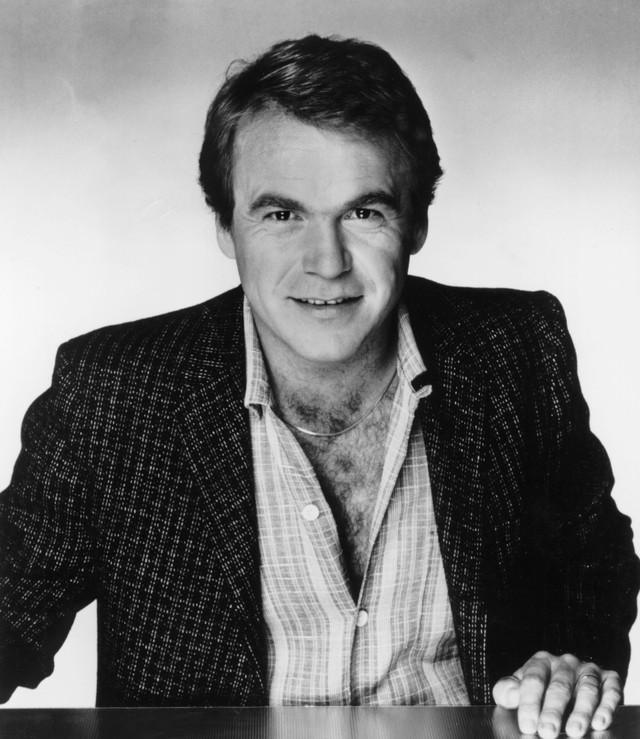
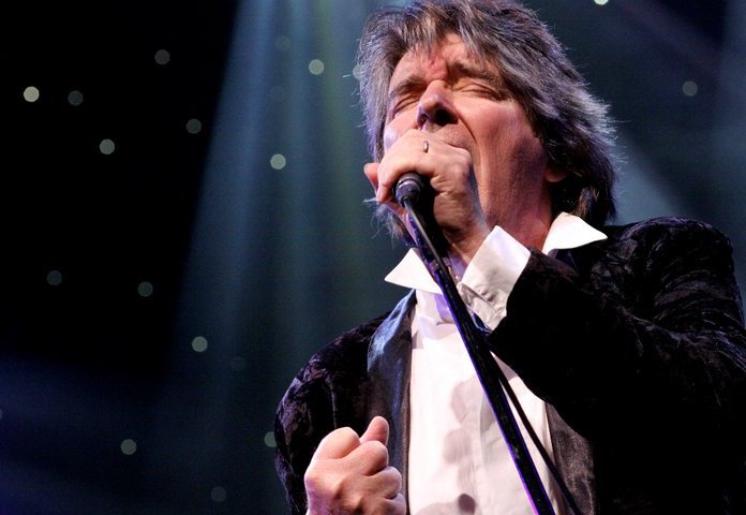
Ross Wilson’s Spotify BioRoss "The Boss" Wilson inhabits a venerable place in Australia's rock pantheon alongside the likes of John Farnham, Jimmy Barnes, and Billy Thorpe during a career that has spanned four decades. Starting with the R&B outfit the Pink Fink in 1965, he then fronted the Party Machine until 1969 before travelling to the U.K. to join the ailing band Procession. He returned to Australia in 1970 and joined Sons of the Vegetal Mother which soon transformed into the highly successful Daddy Cool. The band's debut, Daddy Who? Daddy Cool!, and the Wilson-penned single "Eagle Rock" both reached number one on the national Australian charts.
Wilson broke up Daddy Cool in August 1972 to form a new band, Mighty Kong. He then performed as Cousin Kevin in the Australian production of the Who's Tommy along with other Australian performers including Billy Thorpe, Daryl Braithwaite, and Colleen Hewett. Mighty Kong broke up in December 1973 and Wilson reformed Daddy Cool in January 1974; this time the band… lasted until September 1975. Wilson began producing other acts, including albums for groundbreaking fellow Australian rockers the Skyhooks. His work on Living in the 70s, Ego is Not a Dirty Word, and Straight in a Gay Gay World sealed his reputation and he served as producer for albums by Company Caine, Ray Burgess, Jo Jo Zep and the Falcons, Gary Young, the Dynamic Hypnotics, the Johnnys, as well as the Street Hero soundtrack.
Teaming up with Little River Band manager Glenn Wheatley, Wilson set up his own record label, Oz Records, which successfully released music by his band Mondo Rock, as well as the Sports, Jo Jo Zep and the Falcons, Stiletto, and Mark Gillespie. His solo career was launched with the single "Living in the Land of Oz" in August 1976. The track was featured in the film Oz and later appeared on the Various Artists album Building Bridges in 1989.
Wilson's band Mondo Rock went on to become one of the most popular Australian acts of the '80s, and during this time, he also performed with a side project called Rockhouse. In 1983 he wrote and produced the hit single "Bop Girl" for his wife Pat Wilson which peaked at number two on the national charts. In 1988, Wilson was inducted into the Australian Record Industry Association's (ARIA) Hall of Fame. After more than 20 years in the business, Wilson released his debut solo album, Dark Side of the Man, in July 1989. The album peaked at number 24 nationally and the most successful single was "Bed of Nails" which peaked at number 24.
Working again with Mondo Rock, their 1990 album Why Fight It? wasn't as successful as their previous work and Wilson broke up the band to work with new project RAW in 1991. The band toured until it dissolved in 1993. Wilson then released a cover of Spencer P. Jones "The World's Got Everything in It" for the Various Artists album Earth Music in June 1994. He continued to produce and appeared with the Angels during their 1997 Lounge Lizards Tour. ~ Brendan Swift, Rovi
Viberate is a music analytics platform built for A&Rs, artist managers, labels, booking agents, marketers, and artists.
It helps music professionals track artist growth, analyze audience data, monitor playlist activity, compare artists, follow song performance, and identify opportunities across the music market.
Public artist pages provide a free preview of selected artist data. Paid plans provide access to deeper analytics, historical data, charts, comparisons, playlist tools, exports, alerts, reports, and additional professional features.
Yes. Public Viberate artist pages provide selected artist analytics and music data for free.
Viberate also offers a 7-day free trial of the full platform. A credit card is required to start the trial. The trial includes access to the complete product so users can test deeper artist analytics, historical views, playlist insights, comparisons, charts, exports, alerts, and reporting features before choosing a paid plan.
Viberate provides artist analytics across streaming, playlists, social media, video, radio airplay, songs, and audience markets.
Users can analyze Spotify performance, Spotify and Apple Music playlists, YouTube activity, TikTok and Instagram growth, radio spins, song performance, audience locations, demographics, rankings, and overall artist momentum.
Artist profiles also connect to music charts, similar artists, and comparison tools, helping users benchmark performance and evaluate artists in context.
Viberate updates key artist and track data daily.
For followed artists and tracks, selected data is refreshed multiple times per day. This helps teams monitor playlist changes, streaming movement, audience growth, releases, and campaign performance with more current data.
Update frequency can vary depending on the metric and data source.
Yes. Viberate lets users compare up to five artists side by side across streaming, social media, audience, and engagement metrics.
Users can compare fanbase growth, audience demographics, locations, Spotify performance, social metrics, and other artist data over selected time periods.
Artist comparison can be used for A&R scouting, benchmarking, booking decisions, campaign planning, and evaluating artists with similar audiences or market positions.