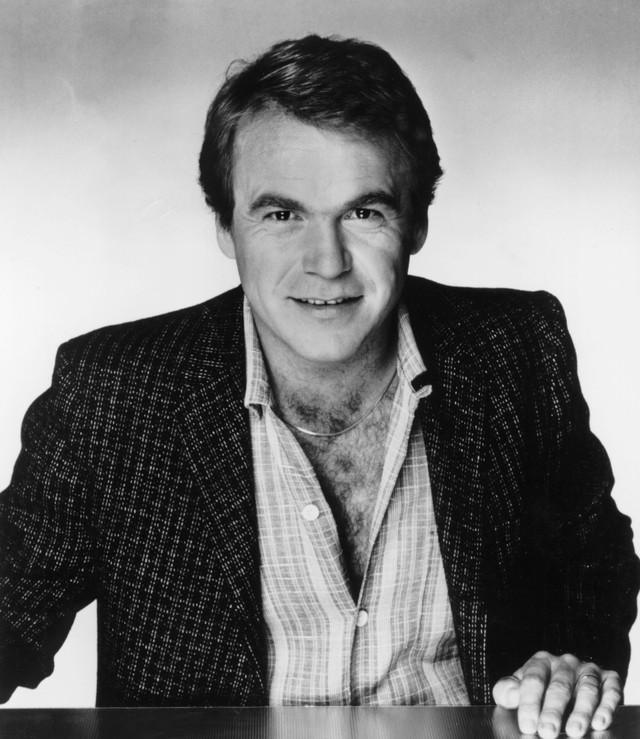
Brian Cadd

Country
Americana/Alt Country
Folk Rock
 Viberate Rank: 163206
 Viberate Rank: 163206
 Monthly ListenersFollowers
 Subscribers
 Followers
 Followers
 FansTop Spotify Songs
| Track | 7-Day Streams | |
|---|---|---|
1 | 6.74K | |
2 | 4.72K | |
3 | 3.03K | |
4 | 2.36K | |
5 | 1.96K |
Top YouTube VideosMonthly ListenersFeatured in Playlists| Playlist | Followers | |
|---|---|---|
1 |  Easy listening oldies Simon | 5.32K |
2 | Noiseworks – Greatest Hits wendy | 5.29K |
3 |  Push It Real Good - Life Uncut Keeshia Pettit | 3.42K |
4 |  Australian COUNTDOWN! (1/3) 70's TOP 1000 timl1410 | 3.30K |
5 |  RocKwiz Duets RocKwiz | 3.17K |
Audience| City | Monthly Listeners | |
|---|---|---|
1 | | 8.68K |
2 | | 8.53K |
3 | | 6.11K |
4 | | 2.63K |
5 | | 1.93K |
See full performance history, audience data, playlist activity, rankings, comparisons, and more in Viberate music analytics. Start with a free trial, then continue with a paid plan.
Brian Cadd’s Spotify Biob. 29 November 1949, Perth, Australia. As an organist, Cadd came to prominence in bands such as the Groop (1966-69) and Axiom (1969-71), the latter being touted as Australia’s first supergroup. In 1972, after returning from another unsuccessful attempt at the English market, he became a solo artist, following a brief spell as a duo with Don Mudie which resulted in the Australian hit single ‘Show Me The Way’. Cadd gradually built up his following with several piano-based singles and strong albums. Eventually he was secure enough to form his own label, Bootleg, on which he produced and nurtured several other acts. Cadd formed a house band, the Bootleg Band, which he used for recording, performing and touring. Meanwhile, Cadd’s solo albums continued to chart (his first two albums were Australia’s biggest-selling records in 1973), but his strength was his songwriting, which provided hits for various Australian acts. In the 80s he relocated to Los Angeles where he was successful in… securing high-profile artists such as the Pointer Sisters and Gene Pitney to record his songs. In 1990 Cadd toured with Max Merrit And The Meteors and in 1991 he joined the line-up of the Flying Burrito Brothers. He sang on the albums Eye Of The Hurricane (1993) and Sons Of The Golden West (1999) and toured extensively with the group. In 1993 he recorded an album with old Axiom bandmate Glenn Shorrock. Cadd, who teaches and lectures in Australia, is also the co-owner of the Streetwise Music Group. In 2005, he released his first studio album in over 20 years.
Viberate is a music analytics platform built for A&Rs, artist managers, labels, booking agents, marketers, and artists.
It helps music professionals track artist growth, analyze audience data, monitor playlist activity, compare artists, follow song performance, and identify opportunities across the music market.
Public artist pages provide a free preview of selected artist data. Paid plans provide access to deeper analytics, historical data, charts, comparisons, playlist tools, exports, alerts, reports, and additional professional features.
Yes. Public Viberate artist pages provide selected artist analytics and music data for free.
Viberate also offers a 7-day free trial of the full platform. A credit card is required to start the trial. The trial includes access to the complete product so users can test deeper artist analytics, historical views, playlist insights, comparisons, charts, exports, alerts, and reporting features before choosing a paid plan.
Viberate provides artist analytics across streaming, playlists, social media, video, radio airplay, songs, and audience markets.
Users can analyze Spotify performance, Spotify and Apple Music playlists, YouTube activity, TikTok and Instagram growth, radio spins, song performance, audience locations, demographics, rankings, and overall artist momentum.
Artist profiles also connect to music charts, similar artists, and comparison tools, helping users benchmark performance and evaluate artists in context.
Viberate updates key artist and track data daily.
For followed artists and tracks, selected data is refreshed multiple times per day. This helps teams monitor playlist changes, streaming movement, audience growth, releases, and campaign performance with more current data.
Update frequency can vary depending on the metric and data source.
Yes. Viberate lets users compare up to five artists side by side across streaming, social media, audience, and engagement metrics.
Users can compare fanbase growth, audience demographics, locations, Spotify performance, social metrics, and other artist data over selected time periods.
Artist comparison can be used for A&R scouting, benchmarking, booking decisions, campaign planning, and evaluating artists with similar audiences or market positions.