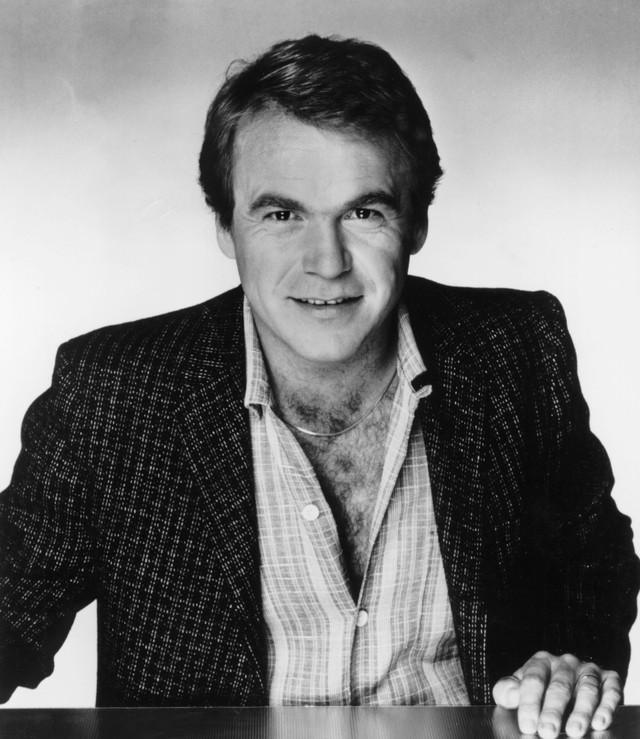
Glenn Shorrock

Rock
Pop Rock
Alternative Rock
 Viberate Rank: 238457
 Viberate Rank: 238457
 Monthly ListenersFollowers
 Subscribers
 Followers
 Followers
 FansTop Spotify SongsTop YouTube Videos
| Video | 7-Day Views | |
|---|---|---|
1 | 11 | |
2 | 10 |
Monthly ListenersFeatured in Playlists| Playlist | Followers | |
|---|---|---|
1 |  Australia Day - Top 100 Songs by Digga Australia Digga Aus | 8.71K |
2 |  Bluesfest 2022 Playlist Bluesfest | 7.41K |
3 | Remix draslox | 3.79K |
4 |  Wendy Matthews Greatest Hits OfficialWill | 3.67K |
5 |  Australian COUNTDOWN! (1/3) 70's TOP 1000 timl1410 | 3.31K |
Audience| City | Monthly Listeners | |
|---|---|---|
1 | | 2.11K |
2 | | 2.04K |
3 | | 1.43K |
4 | | 606 |
5 | | 527 |
See full performance history, audience data, playlist activity, rankings, comparisons, and more in Viberate music analytics. Start with a free trial, then continue with a paid plan.
Glenn Shorrock’s Spotify BioA veteran of the Australian music industry, singer/songwriter Glenn Shorrock has had a long and successful career in Australia spanning more than five decades. Arriving in Australia from England during the late '50s, Shorrock soon developed a passion for rock & roll and formed the vocal quartet the Checkmates. Influenced by the Beatles, the Checkmates became the Twilights and from 1964 to 1969 had a run of hit singles in Australia. In May 1969, Shorrock joined Axiom and went to the U.K. until their breakup in 1971. Shorrock signed a solo deal with the MAM record label and released three singles.
In 1972, Shorrock joined Esperanto Rock Orchestra. Their self titled debut album was released in 1973, followed by Danse Macabre. By their third LP in 1974, Last Tango, Glenn had taken on a management role. Shorrock soon left to sing backup vocals for Cliff Richard. In October 1975, Shorrock returned to Australia where he formed Little River Band. After LRB's long run of success Shorrock decided… to leave in February 1982, replaced by John Farnham.
Shorrock already had a Top 10 single with "Dream Lover" back in 1979, and recorded his debut LP, Villain of the Peace. In late 1982, Shorrock sang on Renee Geyer's single "Going Back." He recorded another single with the Bushwackers, "We're Coming to Get You," which reached #6 on the national charts in October 1983. In 1988, Shorrock rejoined LRB until 1997. In 1991, he was inducted into ARIA Hall of Fame. www.shorrockbirtlesgoble.com
Viberate is a music analytics platform built for A&Rs, artist managers, labels, booking agents, marketers, and artists.
It helps music professionals track artist growth, analyze audience data, monitor playlist activity, compare artists, follow song performance, and identify opportunities across the music market.
Public artist pages provide a free preview of selected artist data. Paid plans provide access to deeper analytics, historical data, charts, comparisons, playlist tools, exports, alerts, reports, and additional professional features.
Yes. Public Viberate artist pages provide selected artist analytics and music data for free.
Viberate also offers a 7-day free trial of the full platform. A credit card is required to start the trial. The trial includes access to the complete product so users can test deeper artist analytics, historical views, playlist insights, comparisons, charts, exports, alerts, and reporting features before choosing a paid plan.
Viberate provides artist analytics across streaming, playlists, social media, video, radio airplay, songs, and audience markets.
Users can analyze Spotify performance, Spotify and Apple Music playlists, YouTube activity, TikTok and Instagram growth, radio spins, song performance, audience locations, demographics, rankings, and overall artist momentum.
Artist profiles also connect to music charts, similar artists, and comparison tools, helping users benchmark performance and evaluate artists in context.
Viberate updates key artist and track data daily.
For followed artists and tracks, selected data is refreshed multiple times per day. This helps teams monitor playlist changes, streaming movement, audience growth, releases, and campaign performance with more current data.
Update frequency can vary depending on the metric and data source.
Yes. Viberate lets users compare up to five artists side by side across streaming, social media, audience, and engagement metrics.
Users can compare fanbase growth, audience demographics, locations, Spotify performance, social metrics, and other artist data over selected time periods.
Artist comparison can be used for A&R scouting, benchmarking, booking decisions, campaign planning, and evaluating artists with similar audiences or market positions.